
 Chumasande Matiwane
Seed storage doesn’t have to be complicated. You just need to remember a few essentials when storing your seeds, which are low humidity and low temperature. These are the ideal conditions to make sure your seeds last longer.
If you’re saving seeds from your own garden, make sure they are thoroughly dry before storing them. Meaning you should wait a few days after the rain to harvest seeds from your plants. Most seeds dry completely within seven days, but some may take up to a month, depending on how humid the storage place is.
Ideal conditions for storing seeds
Most seeds will remain viable in storage for several years if they’re kept under optimal conditions, low humidity and low temperatures. Since seeds are alive, they’ll inevitably lose viability if environmental factors don’t match.
By keeping seeds in a steady-state environment, you reduce the chance of them going through environmental peer pressure; they’ll continue to remain viable and well-adjusted until you decide to plant them again.
Seed Storage Tip 1: Maintain Cool Conditions
Keep seeds out of direct sunlight in a cool spot that maintains a consistent temperature. Consider a cold closet, or a room on the north side of your home that remains cool year-round.
Storing seeds in a climate-controlled room or fridge can maximise how long the seeds will remain viable.
Seed Storage Tip 2: Maintain Dark Conditions
Sunlight is a signal to seeds that it’s time to sprout and also encourages microbes to metabolise. For these reasons, it’s important to keep stored seeds out of the sun, such as in a dark room.
Seed Storage Tip 3: Maintain Dry Conditions
All seeds need to germinate is sufficient water and temperatures that are favourable for plant growth. Make sure your seeds don’t sprout or mould by storing them in a spot that isn’t humid, and ensure the seeds are dry before sealing them in a container.
Moisture is an especially important factor if you are freezing or refrigerating your seeds. If seeds are too wet, they can rot in the refrigerator or suffer frost damage in the freezer.
Seed Storage Tip 4: Protect the Seeds
Choose a storage spot that is pest-free, and you can keep a close eye on it to ensure it remains that way. Protect your seeds in glass jars or metal containers to further protect your seeds from pest invaders. Other good options for storing seeds include plastic pill bottles or Ziploc bags.
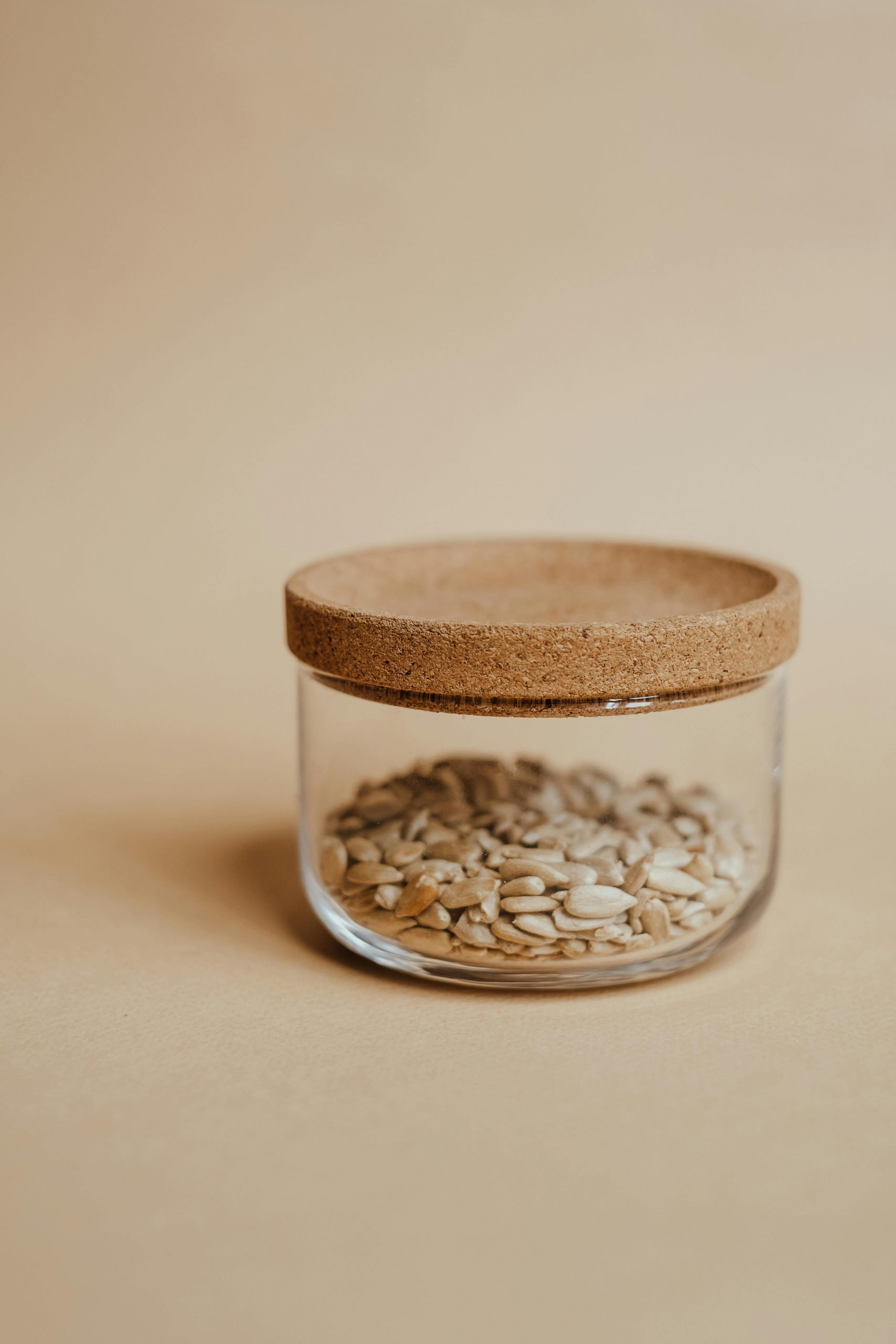
Image Credit: Pexels
ALSO SEE:
Feature Image: Pexels
