
 Bianca Muller
Mole crickets may not be as well-known as aphids or caterpillars, but they can cause just as much frustration in the garden. These unusual-looking insects spend most of their lives beneath the soil surface, quietly tunnelling through lawns, vegetable beds and flower borders while feeding on roots, seedlings and underground plant parts.
Because they stay hidden, many gardeners only realise they have a problem once patches of lawn begin dying or young plants mysteriously collapse. The good news is that, with a little detective work and the right approach, mole crickets can be managed naturally without reaching for harsh chemicals.
What are mole crickets?
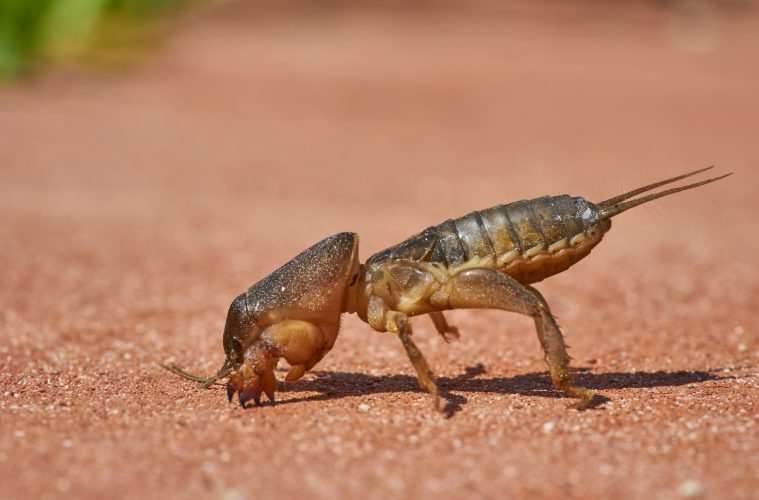
Mole crickets belong to the cricket family but look quite different from the chirping insects you may hear on warm evenings. They have broad, spade-like front legs designed specifically for digging, giving them a resemblance to miniature moles. Adults are typically 3–5 cm long, with velvety brown bodies and short wings.
They thrive in loose, moist soil and are most active during spring and summer when temperatures rise. Although several species exist worldwide, they are found in many parts of South Africa, particularly in irrigated lawns, vegetable gardens and landscaped gardens.
Unlike earthworms, whose tunnels improve soil health, mole crickets create underground passages that can disturb root systems and weaken plants.
Signs that mole crickets are in your garden
Because the insects spend so much time underground, spotting the damage is often easier than spotting the culprit. Keep an eye out for these tell-tale signs:
Raised tunnels beneath the soil
One of the clearest indicators is the presence of shallow, raised tunnels just beneath the soil surface. These are especially noticeable after watering or rain and may resemble tiny ridges winding through the lawn.
Dying patches of lawn
Grass may suddenly begin turning yellow or brown in irregular patches. As mole crickets tunnel beneath the surface, they sever grass roots, preventing the turf from absorbing enough water and nutrients.
Seedlings that suddenly wilt
If newly planted vegetables or flowers appear healthy one day but have collapsed the next, mole crickets may have eaten the roots or disturbed them while tunnelling. Young plants are particularly vulnerable because they have not yet established extensive root systems.
Loose or disturbed soil
Freshly turned soil around seedlings or small mounds of loose earth can indicate recent tunnelling activity.
Increased bird activity
Birds such as ibis, starlings and other insect-eating species may spend more time pecking at your lawn if mole crickets are present beneath the surface. While this can create a little extra mess, these feathered visitors are actually helping reduce pest numbers.
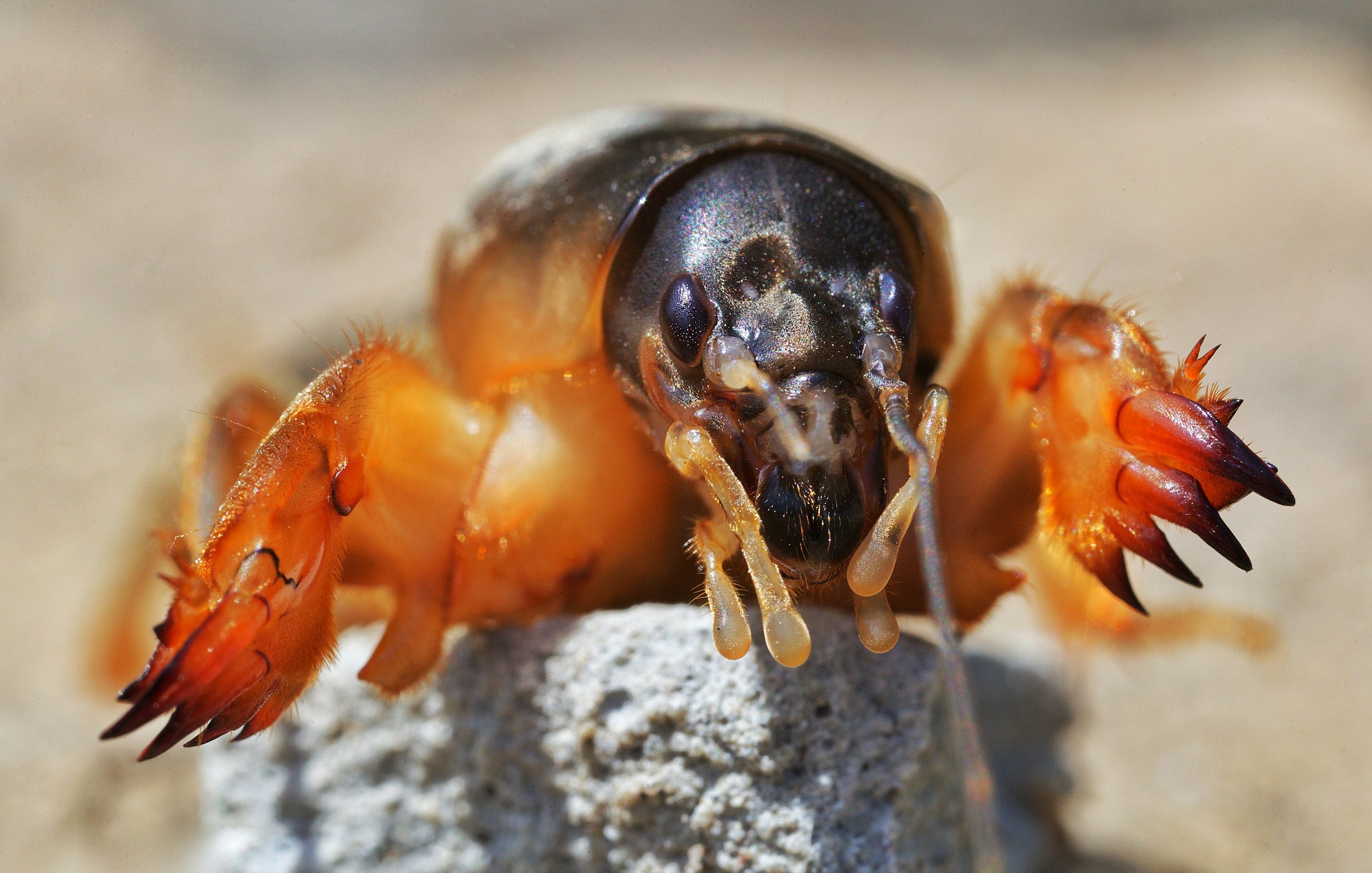
Photo: Unsplash
How to confirm you have mole crickets
If you suspect mole crickets but haven’t seen one, try a simple soapy water test. Mix approximately two tablespoons of mild liquid soap into five litres of water and slowly pour it over about one square metre of affected lawn.
If mole crickets are present, they often emerge from the soil within a few minutes. Once they appear, simply collect and remove them by hand. This test should only be used occasionally for identification rather than as a regular treatment.
Natural ways to get rid of mole crickets
There’s no need to immediately resort to chemical pesticides. In fact, many natural methods are safer for beneficial insects, pets and wildlife.
Encourage natural predators
Your garden already has plenty of allies. Birds, frogs, toads, lizards and certain predatory beetles all feed on mole crickets. Creating a wildlife-friendly garden with water sources, indigenous plants and shelter encourages these natural pest controllers to visit regularly. Avoid broad-spectrum insecticides, which often kill beneficial predators along with the pests.
Water wisely
Mole crickets prefer consistently damp conditions. Rather than watering lightly every day, water deeply but less frequently. Allowing the top layer of soil to dry slightly between watering makes the environment less attractive while encouraging deeper root growth in your lawn and plants.
Reduce excess thatch
A thick layer of lawn thatch provides ideal shelter for mole crickets. Regular aeration, scarifying and proper lawn maintenance reduce hiding places and improve overall lawn health.
Hand removal
If numbers are still low, physically removing mole crickets after rain or following the soapy water test can help prevent populations from growing. While time-consuming, it’s surprisingly effective for smaller gardens.
Preventing future infestations
Healthy gardens are naturally more resilient to pests.
To reduce the chances of mole crickets returning:
- Keep your lawn healthy with regular mowing and feeding.
- Improve drainage in areas that stay constantly wet.
- Avoid overwatering.
- Monitor new seedlings closely during spring and early summer.
- Check lawns regularly for fresh tunnels before damage becomes widespread.
- Encourage biodiversity by planting indigenous flowers that attract beneficial insects and wildlife.
Should you be worried?
Although mole crickets can cause significant damage in large numbers, they’re rarely a reason to panic. A few individuals won’t destroy an established garden overnight. Problems usually develop when populations are allowed to increase unnoticed over several breeding seasons.
Regular inspections, healthy gardening practices and natural controls are usually enough to keep their numbers under control without disrupting the balance of your garden.
ALSO SEE: Garden bird of the week: The Fiscal Shrike (Janfiskaal)
Feature image: Unsplash
