
 Bianca Muller
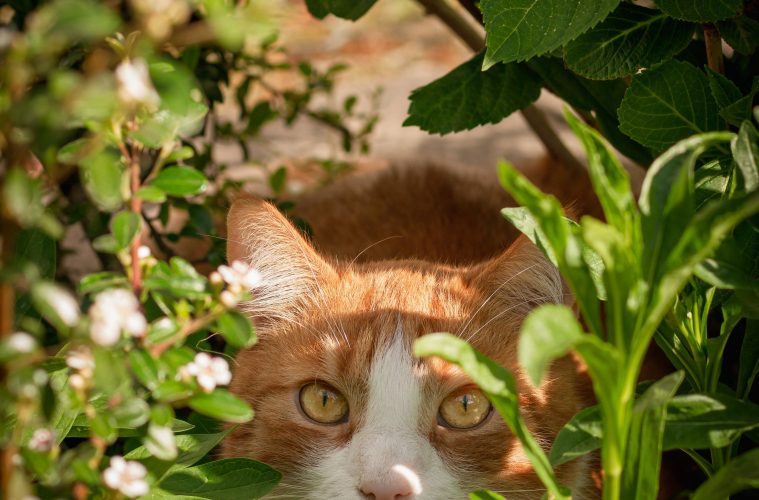
If you’ve ever walked into your garden only to find freshly dug holes, scattered mulch or an unexpected “present” in your flower bed, chances are a neighbourhood cat has paid you a visit.
Cats are naturally curious and love loose, freshly turned soil. To them, your carefully prepared vegetable patch or flower bed can look like the perfect litter box. While it can be frustrating, it’s worth remembering that most cats are simply following instinct rather than being deliberately destructive.
There are plenty of humane, cat-friendly ways to discourage them from treating your garden like their personal playground.
Cover bare soil
Freshly dug soil is one of the biggest invitations for cats. Reduce the temptation by covering exposed areas with:
- Pine cones
- Bark chips
- Pebbles or decorative stones
- Coarse gravel
- Leaf mulch
A thick layer of mulch not only helps retain moisture and suppress weeds but also makes digging much less enjoyable.
Use natural textures cats dislike
Cats prefer soft surfaces under their paws. Adding rough or uneven textures around vulnerable plants can help deter them.
Try using:
- Small prickly twigs from rose prunings (placed carefully)
- Pine needles
- Larger bark pieces
- Decorative river stones
Some gardeners also lay chicken wire flat beneath a layer of mulch. Plants grow through the openings while the uncomfortable surface discourages digging. Ensure there are no sharp edges exposed that could injure wildlife or pets.
Plant strong-smelling herbs
While every cat is different, many dislike particularly strong scents.
Consider planting:
- Lavender
- Rosemary
- Rue
- Curry plant (Helichrysum italicum)
- Lemon thyme
These herbs can double as beautiful, drought-tolerant additions to the garden while creating natural scent barriers.
Create physical barriers
Young seedlings and freshly planted beds are especially vulnerable.
Simple barriers can make a big difference:
- Low decorative fencing
- Plant supports arranged closely together
- Garden netting over newly planted areas
- Cloches around delicate seedlings
Even temporary protection while plants establish themselves can solve the problem.
Photo: Pexels
Keep bird feeders away from flower beds
Bird feeders can unintentionally attract cats looking for an easy hunting opportunity. Place feeders in open areas where birds have clear escape routes, and avoid positioning them directly above flower beds or vegetable gardens.
Consider scent deterrents
Several household scents may help discourage cats, although they usually need frequent reapplication, especially after rain. Some gardeners have success using:
- Citrus peels
- Diluted citrus sprays
- Coffee grounds (in moderation)
Avoid using essential oils directly in the garden. Many essential oils, including tea tree, eucalyptus and citrus oils in concentrated form, can be toxic to cats.
What not to do
It’s understandable to become frustrated, but avoid methods that could injure or poison animals.
Never use:
- Poison or toxic chemicals
- Mothballs
- Sharp spikes or nails
- Sticky substances
- Harmful homemade sprays containing chilli or pepper that could injure a cat’s eyes or nose
Not only are these methods inhumane, but many are also dangerous to wildlife, pets and even children.
If the cats are your own
If your own feline is responsible for the digging, providing a designated digging or toileting area can help. A small patch of loose sand or soil in a quiet corner of the garden may encourage them to use that space instead. Regular playtime and enrichment can also reduce boredom-driven digging.
ALSO SEE: Garden bird of the week: The Fiscal Shrike (Janfiskaal)
Feature image: Pexels
