
 Bianca Muller
If you’ve ever spotted a gecko darting across your wall at night or seen a small lizard basking on a sunny rock in your garden, don’t be too quick to shoo it away. These fascinating reptiles are some of the hardest-working (and most overlooked) allies a gardener can have.
Not only do they help keep unwanted insects under control, but they’re also an important part of a healthy garden ecosystem. Here’s why geckos and garden lizards deserve a warm welcome in your outdoor space.
Why geckos and lizards are good for your garden
Unlike many insects that nibble on leaves, flowers and vegetables, geckos and most of South Africa’s common garden lizards are insectivores. In other words, they spend their days (and nights) hunting insects instead of your plants.
A single gecko can consume dozens of insects in one evening, while diurnal lizards spend the warmer hours searching for prey among flower beds, lawns and shrubs.
Their menu includes:
- Mosquitoes
- Flies
- Moths
- Cockroaches
- Ants
- Termites (especially winged alates during swarming season)
- Beetles
- Spiders
- Caterpillars
- Small grasshoppers
- Crickets
This natural pest control reduces reliance on chemical pesticides, helping to create a healthier environment for pollinators, pets and people alike.
Geckos vs lizards: What’s the difference?
Although geckos are technically a type of lizard, gardeners often distinguish between the nocturnal geckos found around homes and the larger daytime lizards seen outdoors.
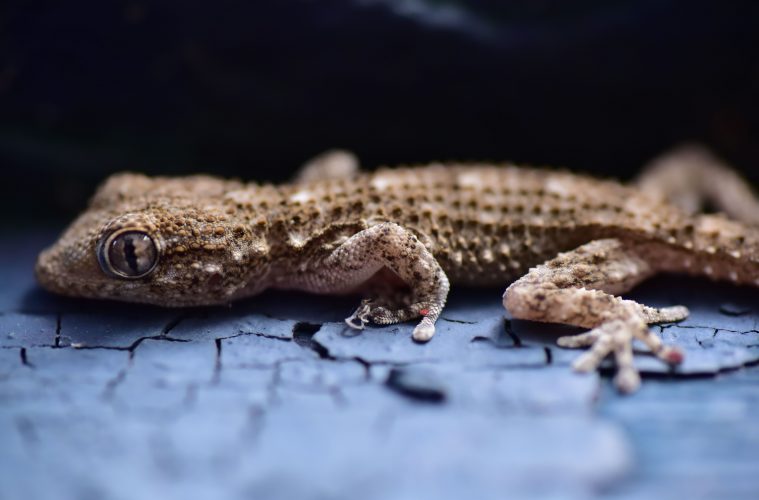
Geckos
Geckos are easy to recognise by their:
- Soft, slightly translucent skin
- Large eyes without eyelids
- Sticky toe pads that allow them to climb walls and ceilings
- Nocturnal habits
They are frequently seen around outdoor lights where insects gather after dark.
Garden lizards
Many of the small lizards commonly found in South African gardens are active during the day.
They usually have:
- Dry, scaly skin
- Long tails
- Slim bodies
- Excellent climbing and running abilities
You’ll often find them basking on rocks, boundary walls, tree trunks or wooden fences before darting into nearby shrubs when disturbed.
Where you’re most likely to find them
If your garden already has plenty of biodiversity, there’s a good chance geckos and lizards have moved in.
Look out for them in:
- Rockeries
- Stone walls
- Tree trunks
- Dense shrubs
- Compost heaps
- Wood piles
- Mulched flower beds
- Garden sheds
- Pergolas
- Outdoor lights
- Cracks between paving stones
Inside the home, geckos commonly appear on walls, ceilings, garages and patios, especially during warmer months.
How to attract geckos and lizards naturally
The secret isn’t attracting the reptiles directly—it’s creating the kind of habitat they naturally seek.
1. Plant a diverse garden
A variety of indigenous trees, shrubs and flowering plants attracts insects, which in turn provide food for geckos and lizards. Layering your garden with groundcovers, shrubs and taller plants also creates safe hiding places.
2. Leave some wild corners
Not every part of your garden needs to look perfectly manicured. Allowing a small section to remain slightly untidy provides shelter beneath leaves, logs and natural debris. A “messy” corner can become prime reptile habitat.
3. Add rocks and logs
Flat rocks are ideal basking spots where lizards warm themselves in the morning. Rock piles and hollow logs also provide safe places to hide from predators.
4. Provide fresh water
A shallow bird bath or dish of clean water benefits more than just birds. Place a few pebbles inside so smaller creatures can climb in and out safely.
5. Reduce pesticide use
Broad-spectrum insecticides don’t just kill pests—they also remove the food source geckos and lizards rely on.
Some pesticides may also poison reptiles indirectly when they consume contaminated insects. A more natural gardening approach encourages healthier food chains.
6. Keep outdoor lighting wildlife-friendly
Outdoor lights attract moths, mosquitoes and other insects, creating an evening buffet for geckos. While excessive lighting isn’t ideal for wildlife overall, warm, low-intensity lighting around patios often becomes a favourite hunting ground.
Are they dangerous?
One of the biggest misconceptions is that geckos and garden lizards are dangerous. In reality, the vast majority of species commonly encountered around South African homes are completely harmless to people and pets.
They don’t chase humans, they don’t damage plants and they rarely bite. If handled, they may wriggle or attempt to escape, but they’re far more interested in getting away than standing their ground.
Many can even detach their tails when threatened—a defence mechanism that distracts predators while the lizard escapes. The tail later regrows, although it may look slightly different.
Common South African reptiles
South Africa is home to hundreds of reptile species, but gardeners are most likely to encounter:
- Cape dwarf geckos, often seen climbing walls and windows at night.
- Common dwarf geckos, which thrive around suburban homes.
- Cape skinks, frequently spotted basking on rocks and paving.
- Variable skinks, common in many gardens across the country.
- Agamas, particularly in warmer regions, recognised by their larger size and quick movements.
Different regions support different species, but their role in the garden is much the same: keeping insect populations in balance.
What if you find one inside your home?
Finding a gecko indoors is usually nothing to worry about. In fact, it’s probably helping itself to mosquitoes and moths that have found their way inside.
If you’d rather move it outdoors:
- Gently place a container over it.
- Slide a stiff piece of cardboard underneath.
- Carry it outside and release it near shrubs or a sheltered wall.
Avoid grabbing it by the tail, as it may detach as a defence mechanism.
A sign of a healthy garden
Seeing geckos on your patio or small lizards weaving through the flower beds is often a sign that your garden supports a diverse range of wildlife. Alongside birds, frogs, bees and beneficial insects, these tiny reptiles form part of a natural ecosystem that helps reduce pest numbers without chemicals.
Rather than viewing them as unexpected visitors, consider them permanent members of your garden’s maintenance team.
ALSO SEE: Insect spotlight: Lacewings are every South African gardener’s secret weapon
Insect spotlight: Lacewings are every South African gardener’s secret weapon
Feature image: Pexels
