
 Bianca Muller
Renovating your home can be exciting, but before you start choosing tiles and paint colours, there’s quite a bit of planning to do. From setting a realistic budget to getting your layout right, the decisions you make before the builders arrive can save you money, time and plenty of headaches later.
Whether you’re planning a bathroom makeover, updating your kitchen or tackling several rooms at once, this home renovation guide covers the essentials to consider before you get started.
Start with a plan, not a paint colour
It’s tempting to begin a renovation by choosing the finishes you love, but the practical details should come first.
A good renovation plan should consider your budget, the layout, materials, availability, contractors and the order in which the work needs to happen. Sorting these out early can help prevent expensive changes once construction is already under way.
Start by deciding exactly what you want to achieve. Are you looking for better storage? More functional spaces? A more modern kitchen or bathroom? Perhaps you’re preparing the property for sale or simply want your home to work better for your lifestyle.
Once you know what the renovation needs to achieve, you can start prioritising.
Ask yourself these questions before renovating
Before committing to a renovation, work through these questions:
Why are you renovating?
Be clear about the main goal. This could be improving functionality, adding storage, updating tired finishes, improving the property’s appeal or carrying out essential maintenance.
Which rooms need attention first?
You don’t necessarily have to renovate the entire house at once. Prioritise the rooms that will make the biggest difference to everyday life, whether that’s the kitchen, bathroom, main bedroom, living room or outdoor entertainment area.
What can you comfortably afford?
Your budget needs to cover more than just the visible finishes. Remember to account for labour, demolition, waterproofing, plumbing, electrical work and unexpected repairs.
Will you live in the house during the renovation?
If you are staying put, think about how you’ll manage without a kitchen or bathroom, as well as dust, noise, safety and access to different parts of the house.
Do you need municipal approval?
Structural changes, additions and certain alterations may require approved plans or other permissions. Check with your municipality and relevant professionals before work begins.
Are your chosen products available?
There’s little point scheduling installation if the tiles, sanitaryware, slabs or fittings you’ve chosen won’t arrive for another six weeks. Check stock and lead times before finalising your renovation schedule.
Have you chosen the right contractor?
Ask for references, confirm exactly what is included in the quotation and establish who will be responsible for plumbing, electrical work, waterproofing and other specialist jobs.
Will the renovation work for you in the future?
Consider how your needs might change. Storage, accessibility, family growth and ageing in place are all worth considering while you’re already making changes to the layout.
How long will it realistically take?
Allow time for planning, quotations, ordering materials, preparation, installation, drying and curing times, as well as those inevitable final snags.
Have you allowed for surprises?
Even the most carefully planned renovation can uncover unexpected problems once walls and floors are opened up. Keep a contingency fund for hidden damage, old plumbing, uneven surfaces and additional preparation.
The home renovation checklist
Breaking the renovation into stages makes the process much easier to manage.
1. Inspiration and research
Start by gathering ideas and getting a feel for what you like.
- Create mood boards
- Define your preferred style
- Visit showrooms
- Compare materials and finishes
- Research suitable products
- Get quotations
This is also the stage to think about the overall look of your home. Try to consider the renovation as a whole rather than choosing every room in isolation.
2. Work out your budget
Once you know what you want, establish what you can realistically spend.
- Set your overall budget
- Add a contingency
- Separate must-haves from nice-to-haves
- Compare like-for-like quotations
- Make your key selections
Having a clear budget also makes it easier to decide where to splurge and where to save.
3. Finalise the design and layout
Before anything is demolished, make sure the layout works.
Consider:
- Floor plans
- Kitchen and bathroom layouts
- Lighting
- Plug points
- Storage
- Tile layouts
- Furniture placement
- Door and cupboard clearances
A beautiful finish won’t make up for a room that doesn’t function properly.
4. Select your products
Once the layout is sorted, you can start choosing the finishes.
Depending on the project, this could include:
- Floor and wall tiles
- Slabs and countertops
- Taps and mixers
- Baths
- Basins
- Toilets
- Shower enclosures
- Grout and adhesives
- Cabinetry
- Handles and accessories
Confirm dimensions and installation requirements before ordering anything.
5. Construction
This is where the plan becomes reality.
Depending on the project, the construction phase may include:
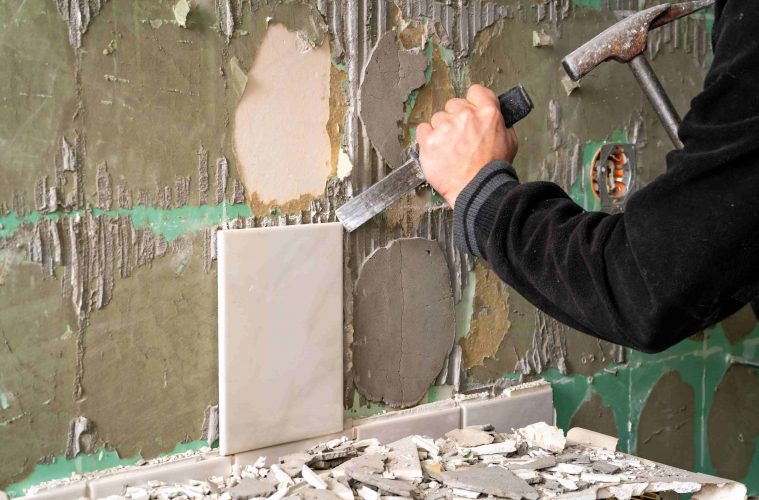
- Demolition
- Plumbing changes
- Electrical work
- Substrate preparation
- Waterproofing
- Tiling
- Painting
- Joinery
- Fitting fixtures and accessories
Don’t rush the preparation stages. Work that happens underneath the finished surfaces can be just as important as what you see.
6. Finishing and handover
Before declaring the renovation complete, inspect everything carefully.
Check that:
- Finishes are neat and complete
- Taps and fittings work properly
- Water drains correctly
- Lighting and plug points work
- Doors and drawers open properly
- There are no obvious defects
- Outstanding work is added to a snag list
Keep warranties, care instructions and invoices somewhere safe. If you have leftover tiles, store a few for future repairs.
Planning a bathroom renovation
Bathrooms might be small, but there are plenty of details to get right.
Start by assessing what’s currently not working. Is there enough storage? Is the ventilation adequate? Is the shower too cramped? Is the layout awkward or difficult to clean?
Then establish your priorities. You might want a larger shower, more storage, improved accessibility, better water efficiency or simply a more cohesive look.
Choose bathroom fixtures early
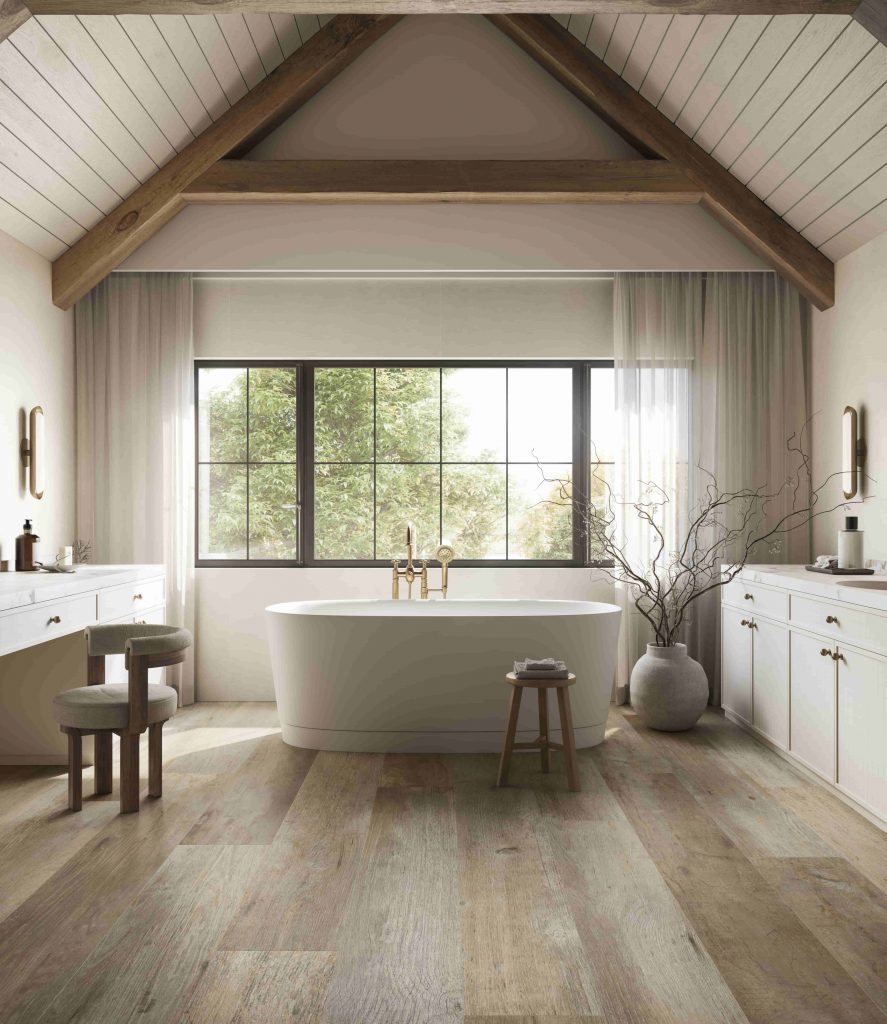
It’s worth choosing your bath, shower, basin, vanity and toilet before finalising the tile layout. Their dimensions can affect plumbing positions, available movement space and where tiles need to be cut.
For a small bathroom, a walk-in shower, floating vanity and large mirror can help make the space feel more open.
A family bathroom needs to balance durability and practicality, with useful storage and finishes that can cope with daily use.
For a main en suite, you may have more room to play with features such as a double vanity, freestanding bath or spacious shower.
Whatever the size, make sure the practical elements come before the decorative ones.
Planning a kitchen renovation
The kitchen has to work hard, so good planning matters.
Before choosing cabinetry and finishes, think about how you actually use the space. Consider the relationship between your preparation, cooking and cleaning areas, as well as where appliances and frequently used items will go.
Your kitchen renovation checklist should include:
- Appliance positions
- Preparation and cooking areas
- Cleaning zone
- Storage requirements
- Task and ambient lighting
- Countertops
- Splashbacks
- Flooring
- Seating
The aim is to create a layout that allows you to move easily between the different work zones while keeping everyday essentials within easy reach.
How to plan your renovation budget
There’s no single formula for how much a renovation should cost because every home and project is different. The condition of the property, size of the renovation, labour requirements and finishes you choose will all affect the final figure.
As a broad planning guide, you may need to account for:
| Budget area | Approximate planning range |
|---|---|
| Labour | 30–50% |
| Tiles and surfaces | 15–30% |
| Fixtures and fittings | 10–20% |
| Plumbing | 5–15% |
| Electrical | 5–15% |
| Paint and finishes | 5–10% |
| Contingency | 10–20% |
These percentages shouldn’t simply be added together, as the ranges overlap. Use them as a starting point rather than a fixed renovation formula, and create a detailed project-specific budget with your contractor or relevant professionals.
How to choose tiles for your home renovation
Tiles are one of the most visible parts of a renovation, but choosing them isn’t just about colour and pattern.
Consider where the tile will be used
A bathroom floor has very different requirements from a living-room wall or an outdoor entertainment area. Consider moisture, foot traffic, weather exposure and whether the tile is intended for walls or floors.
Think about maintenance
Consider how much cleaning and maintenance you’re realistically prepared to do. A finish that looks beautiful but requires constant upkeep may not be the best choice for a busy household.
Get the size right
Large-format tiles can create a more seamless look and may help a smaller space feel more expansive. However, they need a suitable substrate and proper installation, so check that the surface is appropriate before choosing them.
Don’t overlook slip resistance
This is particularly important in bathrooms, entrances, pool surrounds and outdoor spaces. Always check that the tile is suitable for its intended application.
Consider installation requirements
Some large or specialised tiles require specific adhesives, substrates, movement joints and experienced installers. These requirements should be considered before ordering the product.
Porcelain or ceramic?
Both porcelain and ceramic tiles can work well, but the right choice depends on the product’s technical specifications and where it will be used.
Porcelain generally has very low water absorption and is often well suited to high-use applications. Ceramic tiles can also be a good choice when the product is correctly specified for the intended space.
Rather than choosing purely based on whether a tile is porcelain or ceramic, check its performance rating and suitability for the application.
Common home renovation mistakes to avoid
Starting without a plan
The problem: You begin demolishing before the layout, budget and specifications are properly resolved.
The fix: Finalise the scope, layout, products and responsibilities before work starts.
Choosing products too late
The problem: Your renovation is ready for installation, but the products you need aren’t available.
The fix: Check stock, lead times, dimensions and installation requirements early.
Cutting corners on waterproofing
The problem: Waterproofing is treated as an afterthought because it won’t be visible once the room is finished.
The fix: Use an appropriate waterproofing system and ensure it is properly installed and checked before tiling.
Following trends too closely
The problem: A room looks very current now but may quickly feel dated or impractical.
The fix: Use trends as inspiration, but prioritise functionality, durability and a style you’ll be happy to live with for years.
Underestimating the budget
The problem: The initial quotation doesn’t account for preparation, delivery, installation materials or unexpected repairs.
The fix: Make sure your budget includes the less obvious costs and leave room for unforeseen problems.
Don’t forget the final details
Before you sign off on your renovation, take the time to walk through the finished spaces carefully.
Check the workmanship, test fittings and drainage, inspect the finishes and make a list of anything that needs to be corrected. This final snagging stage may feel like a formality, but it’s much easier to address problems while the contractors are still on site.
And keep those spare tiles. Future-you will be grateful when a tile gets damaged and you don’t have to search for a discontinued match.
The golden rule of renovating
Before making any major renovation decision, ask yourself five questions:
Will it improve the way the space functions?
Will it still feel relevant in 10 years?
Is it durable enough for how the space will be used?
Will it be easy to maintain?
Does it work with the overall look of the home?
If the answer is yes across the board, you’re probably on the right track. A successful renovation isn’t necessarily the one with the biggest budget or the trendiest finishes – it’s the one that makes your home work better for the people who live in it.
ALSO SEE: Indoor plants with colourful foliage
Images and information by Italtile.
