
 Jade Mcgee
A beautiful garden is not automatically an easy garden. Some of the features that look effortless in photographs come with a long list of recurring jobs, from clipping and sealing to algae control, irrigation and seasonal replanting. None of that makes them bad choices, but it does mean the maintenance should be part of the design decision from the start.
In a South African garden, water use and climate suitability matter just as much as appearance. Before committing to a feature, ask how it will behave through hot summers, dry spells, coastal wind or winter frost in your region, and whether the upkeep still feels realistic once the novelty wears off.
1. Large expanses of lawn
A lawn offers a clean visual pause and useful play space, but keeping a large area green can mean frequent mowing, feeding, edging and irrigation. Instead of removing lawn completely, keep it where it serves a purpose and reduce it elsewhere. Beds of regionally suitable indigenous groundcovers, gravel paths or planted borders can cut the amount of turf that needs weekly attention without making the garden feel bare.
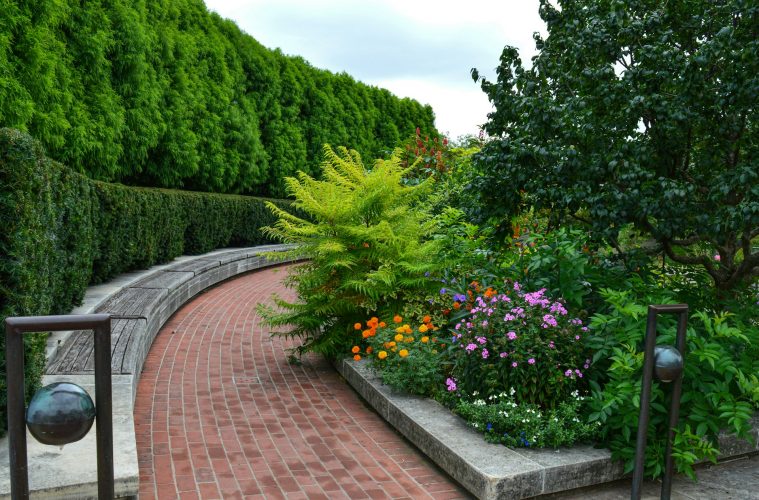
2. Formal hedging
Crisp clipped hedges create structure, but that tidy geometry depends on regular pruning. Fast-growing shrubs can need several trims during the active season, and cutting at the wrong time can remove flowers or expose woody interiors. A lower-maintenance approach is to choose shrubs whose natural mature size matches the space and allow a softer outline rather than forcing every plant into a rigid box.
3. Large annual flower beds
Seasonal colour is hard to beat, but broad annual beds need repeated preparation, planting, watering, feeding and deadheading. Keep annuals for a few high-impact pockets near entrances or entertaining areas, then rely on longer-lived perennials and indigenous flowering plants for the backbone of the garden. You still get colour, but there is less to replace from scratch each season.
4. Complex ponds and water features
Water can bring sound, movement and wildlife value to a garden, but larger ponds, waterfalls and fountain systems require cleaning, pump checks, debris removal and attention to water quality. In hot weather, evaporation adds another layer of maintenance. If the sound of water is the main goal, a smaller recirculating feature can create atmosphere with fewer components to manage.
5. Timber decking
Timber decks add warmth and create useful outdoor living space, but exposure to sun, rain and humidity takes a toll. Depending on the material and finish, boards may need cleaning, sealing or oiling, along with regular checks for splinters, movement or rot. If you love timber, budget for the maintenance. If you do not, durable paving or lower-maintenance decking materials may suit the space better.
6. Oversized vegetable gardens
Growing food is rewarding, but a big edible garden asks for consistent attention. Watering, pest checks, succession planting, staking and harvesting all arrive on the plant’s schedule, not yours. A smaller raised bed or a few containers planted with crops your household genuinely uses can be more satisfying than an ambitious patch that becomes overwhelming by midsummer.
Design for the time you actually have
The best low-maintenance garden is not one with no work at all. It is one where the work feels proportionate to the pleasure the space gives back. A little honest planning around water, pruning, cleaning and seasonal jobs can prevent a beautiful idea from becoming a permanent weekend obligation.
ALSO SEE:
Featured Image: Unsplash
