
 Bianca Muller
The restoration of Steenberg Farm’s historic Manor House is a thoughtful balance of old and new, preserving the character of one of South Africa’s oldest farms while creating a welcoming space for modern-day guests.
For Catherine Schulze, Managing Director of Steenberg Farm, the project was never simply about renovating a historic building. It was an opportunity to honour the estate’s past while ensuring its heritage remains relevant for generations to come.
Since joining Steenberg in 2007, Schulze has recognised the Manor House’s potential. One of the farm’s most significant buildings, it offered an opportunity to celebrate its architectural character while reimagining the guest experience.
“It was important that the Manor House retained its sense of place,” she explains. “We didn’t want to erase its history. We wanted to reveal it, celebrate it and allow guests to experience it in a way that feels contemporary and welcoming, creating a genuine sense of belonging for all who visit Steenberg.”
A historic Manor House meets contemporary design
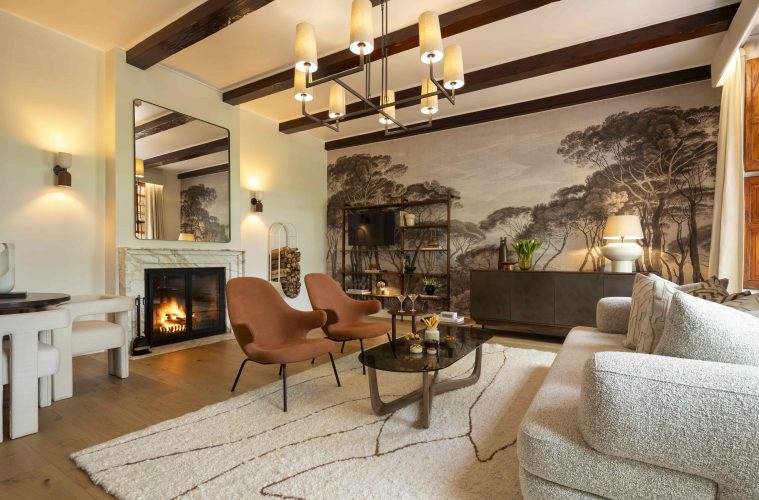
Rather than undertaking a renovation simply to refresh the interiors, the project was guided by a respect for the building’s existing character. Historic architectural features have been preserved and highlighted, while carefully chosen furnishings, textures and finishes introduce a renewed sense of comfort and sophistication.
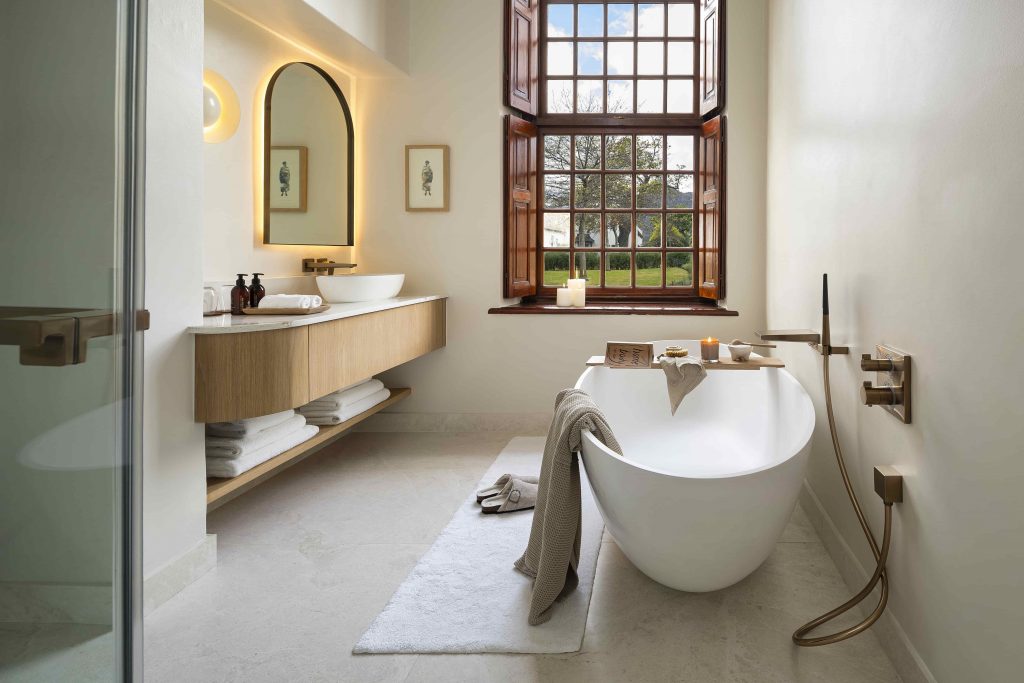
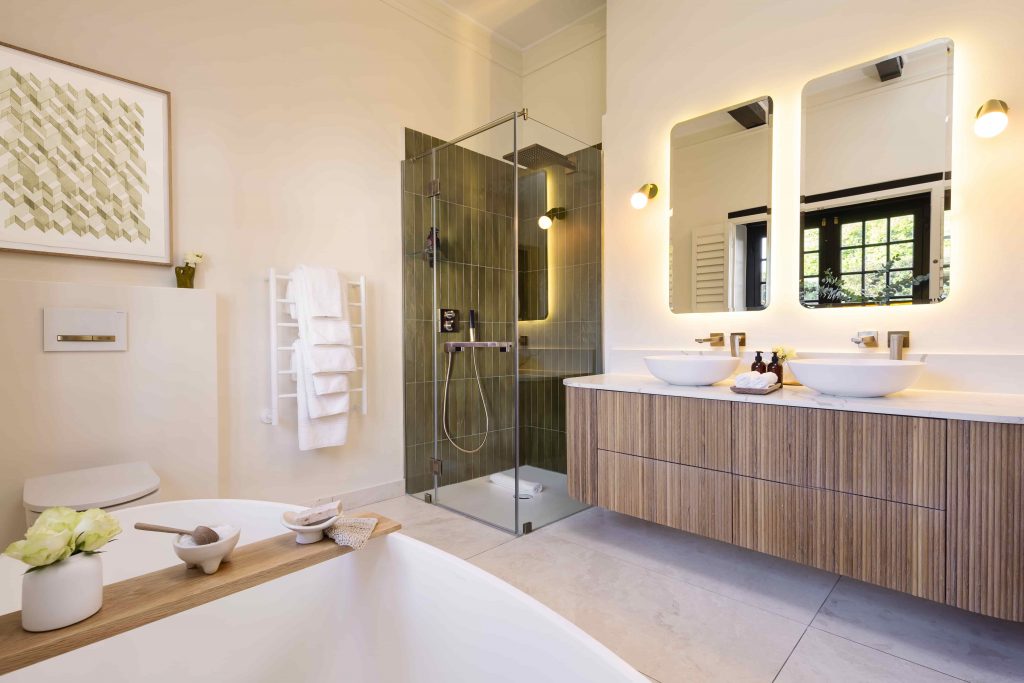
The result is an interior that brings together the charm of the past with the comforts expected by today’s travellers. Light, considered materials and thoughtful design choices help create spaces that feel inviting without losing sight of the building’s history.
For Schulze, the success of the restoration extends beyond its visual appeal. The way a space makes people feel is just as important as how it looks.
“Beautiful spaces are important, but they need to feel lived in and inviting,” she says. “Luxury isn’t about excess. It’s about creating an environment where guests can relax, connect and feel genuinely at home.”
This people-first approach informed decisions throughout the project, from the selection of fabrics and materials to the layout of individual spaces. Each detail was considered in relation to the overall guest experience.
Celebrating South African craftsmanship
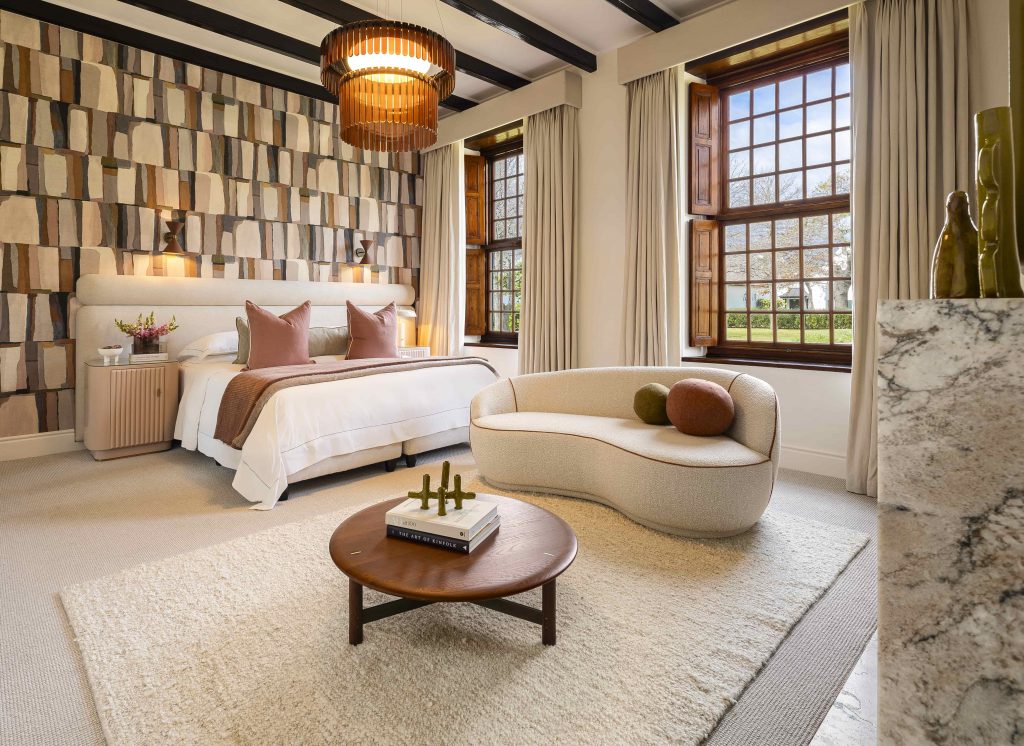
Local creativity also played an important role in the Manor House restoration. Wherever possible, South African artisans, furniture makers, ceramicists and designers contributed to the refurbishment, introducing distinctive details while supporting home-grown talent.
“We have such extraordinary talent in South Africa,” says Schulze. “Incorporating local craftsmanship was important because it allows the Manor House to tell a uniquely South African story while creating something truly authentic.”
The use of local craftsmanship gives the interiors a stronger sense of place, connecting the restored building to the creative talent and design traditions found closer to home.
At the same time, the project ensures that the Manor House can continue welcoming guests for years to come, retaining the character that makes it significant while adapting it for contemporary hospitality.
Putting people at the heart of hospitality
Schulze’s approach to the restoration reflects a philosophy shaped by her own career in the hospitality industry. Having started out as a waitron, she understands the importance of the people behind an experience, from those who welcome guests to the teams who ensure their stay is memorable.
“The building creates the setting, but it’s the people who bring it to life,” she says. “Hospitality has always been about making people feel welcome, cared for and creating a genuine sense of belonging, regardless of how long they stay.”
Having spent nearly two decades helping shape Steenberg, Schulze sees the development of its people as one of the most rewarding aspects of her role. When asked which achievement makes her proudest, she points not to a building or business milestone, but to the growth of the individuals around her.
“The greatest reward is seeing individuals grow, develop confidence and create opportunities for themselves,” she says. “Watching people build meaningful careers and realise their potential is incredibly fulfilling.”
It is a reminder that while architecture and interior design help establish a property’s identity, the people who work there are central to how guests experience it.
Preserving Steenberg’s heritage for future generations
The Manor House restoration reflects a wider responsibility that comes with caring for a historic property. As custodian of Steenberg Farm, recognised as South Africa’s oldest registered farm, Schulze must balance the preservation of its heritage with the needs of a changing hospitality industry.
For her, that means making considered decisions that respect what came before while allowing the estate to continue evolving.
“Steenberg was here long before any of us, and it should be here long after us,” she says. “Our responsibility is to care for it, strengthen it and ensure that future generations can experience what makes it so special.”
With its restored interiors and preserved architectural character, the Manor House enters a new chapter without losing sight of its past. The project brings together heritage, contemporary design, local craftsmanship and a people-centred approach to hospitality, ensuring that one of Steenberg’s most treasured buildings remains part of the estate’s story for years to come.
ALSO SEE: Johannesburg’s Houghton Bonsai, Succulent & Plant Show returns with 58 exhibitors
Johannesburg’s Houghton Bonsai, Succulent & Plant Show returns with 58 exhibitors
