
 Bianca Muller
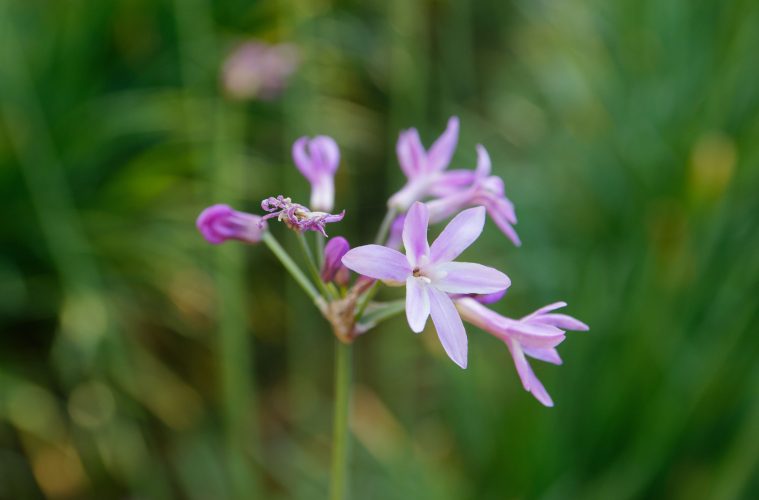
If you’re looking for an indigenous plant that adds colour to the garden without demanding too much attention, wild garlic (Tulbaghia violacea) is worth a closer look. Its delicate pinkish-purple flowers rise above neat clumps of narrow, green-grey leaves, bringing a splash of colour to garden borders, pathways and pots.
Native to South Africa, wild garlic is a hardy, low-maintenance perennial that can cope with dry spells once established. It also attracts pollinators, making it a useful addition to a garden that supports local wildlife. And there’s a reason for its name: crush its leaves and you’ll notice a distinct garlic smell.
With its long flowering season and easy-going nature, wild garlic is a practical choice for gardeners who want a little more colour without signing up for endless maintenance.
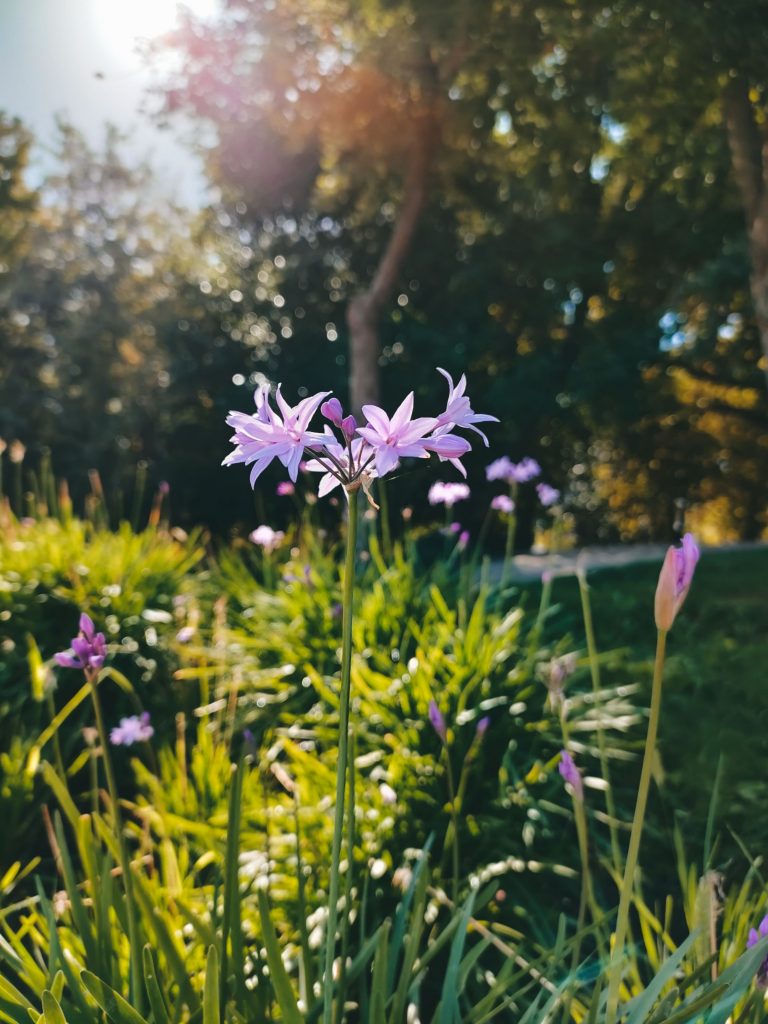
Photo: Pexels
When does wild garlic flower in South Africa?
Wild garlic is known for its extended flowering season, with the main flowering period generally falling between summer and early autumn, although this varies with local conditions and the climate. In South Africa, Tulbaghia violacea typically flowers from January to April, producing clusters of small, tubular, pinkish-mauve flowers on upright stems.
Each flower head can hold up to 20 individual blooms, creating a delicate display above the foliage. In favourable conditions, flowering may continue beyond the main season, particularly in milder areas.
Wild garlic is indigenous to South Africa and occurs naturally in grassland habitats. Its attractive flowers, drought tolerance and ability to grow in clumps have made it a popular choice for home gardens.
How to grow wild garlic
One of the biggest advantages of wild garlic is that it doesn’t need particularly complicated care. Give it the right growing conditions and it will reward you with attractive foliage and seasonal flowers.
1. Choose a sunny spot
Wild garlic grows well in full sun, where it generally flowers best. It can also tolerate light shade, making it suitable for different areas of the garden. Use it along sunny pathways, at the front of flower beds, in rockeries or as a low-growing border plant.
2. Plant it in well-drained soil
Choose soil that drains well, preferably enriched with compost. Although wild garlic can tolerate periods of drought, it grows more vigorously when it receives enough moisture during the growing season. Avoid leaving the roots sitting in waterlogged soil.
3. Water it regularly while it establishes
Water newly planted wild garlic regularly while its roots develop. Once established, it can tolerate dry conditions, making it a useful option for water-wise gardens. During prolonged hot, dry spells, occasional watering will help maintain healthy foliage and flowering.
4. Keep an eye on its growth
Wild garlic spreads gradually to form clumps. Give individual plants enough room to grow, particularly if you’re planting several together to create a fuller display. Remove dead or untidy leaves as needed and cut back spent flower stalks to keep the plants looking neat.
5. Feed it when necessary
A layer of compost around the plants can help maintain soil quality. If growth is poor, a light application of a balanced fertiliser during the growing season may help. Avoid overfeeding, and follow the instructions on the product you use.
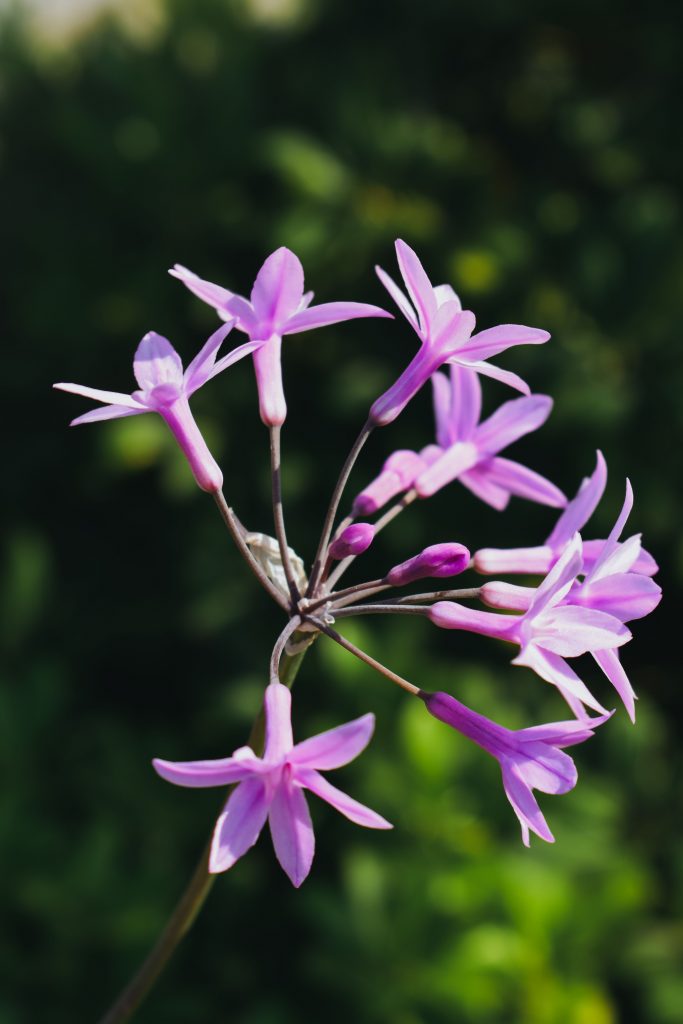
Photo: Pexels
How to propagate wild garlic
Want more wild garlic without buying additional plants? Established clumps can be divided to create new plants.
Carefully lift a mature clump and separate it into smaller sections, ensuring each division has healthy roots. Replant the sections in well-drained soil and water them in. Spring, when new growth begins, is a suitable time to divide clumps.
Wild garlic can also be grown from seed, although this takes longer. Collect mature seeds when the seed capsules open and sow them in a suitable growing medium. Seed-grown plants may take a few years to flower, so dividing established clumps is generally the quicker option if you want more plants in your garden.
Interesting facts about wild garlic
It’s not the same as culinary garlic. Despite its name and distinctive smell, wild garlic is a different plant from the familiar garlic grown for its bulbs. Its botanical name is Tulbaghia violacea, and it belongs to the Amaryllidaceae family.
The leaves are responsible for its name. The narrow, strap-like leaves release a strong garlic-like smell when bruised or crushed. The flowers also have a garlic scent when picked.
It’s a South African indigenous plant. Wild garlic is a locally indigenous perennial, making it a useful option for gardeners interested in incorporating more indigenous plants into their gardens.
Pollinators benefit from its flowers. The blooms attract bees and butterflies, providing a reason to include wild garlic in a garden designed to support pollinating insects.
It works in containers, too. You don’t need a large garden to grow wild garlic. A pot with adequate drainage and enough room for the plant to form a clump can work well on a patio or sunny balcony.
It’s considered a low-maintenance plant. Once established, wild garlic tolerates dry spells and is generally relatively resistant to pests and diseases. However, slugs and snails may still damage the foliage.
Is wild garlic edible?
Wild garlic has edible leaves and flowers that can be used sparingly to add a mild garlic flavour to food. However, don’t assume that every plant sold or known as wild garlic is safe to eat. Correct identification is essential before harvesting or consuming any plant, and you should avoid eating plants treated with pesticides or other chemicals not approved for food crops.
Why plant wild garlic in your garden?
Wild garlic is a good option if you want a South African indigenous plant that combines attractive flowers with practical benefits. It suits borders, rockeries and containers, tolerates dry conditions once established and attracts pollinators when in bloom.
Plant it in a sunny spot with well-drained soil, give it regular water while it establishes, and let it grow into clumps. When its purple flowers appear, you’ll have a colourful addition to the garden that doesn’t require constant attention.
ALSO SEE: What’s flowering now: Geraniums
Feature image: Pexels
