
 Jade Mcgee
Lighting can make an otherwise ordinary dining table feel like a destination. A pendant suspended above it creates a visual centre, gathers people beneath a shared pool of light and adds a layer of character that a ceiling fitting alone rarely achieves.
Yet the wrong pendant can interrupt a beautiful room just as easily. A shade that hangs too low, a bulb that shines directly into your eyes or a cluster of fittings competing for attention can turn a decorative feature into a daily irritation.
Let furniture determine pendant placement
A pendant works particularly well above a fixed surface, such as a kitchen island or dining table. The furniture anchors the fitting visually and keeps people from walking directly underneath it.
Start with the lower edge of a dining pendant approximately 75 to 90 cm above the table. A similar range can work above a kitchen island, although the ideal drop depends on the size of the shade and the height of the people using the counter. Check sightlines from seated and standing positions before settling on the final height.
For a round table, a single sculptural fitting can echo its shape. A long rectangular table or island may suit a linear pendant or two evenly spaced shades. Leave enough space between the fittings to appreciate each individual silhouette.
Consider the light, not just the shade
An opaque metal shade directs light downwards, making it useful over food preparation areas. A translucent glass or fabric shade can produce a softer glow that suits a dining room or bedroom. Clear glass exposes the bulb, so consider whether its brightness will be comfortable at eye level.
Warm white light, around 2700 to 3000 K, can create a welcoming atmosphere in spaces intended for relaxing. In a kitchen, ensure that the pendant works alongside practical task lighting so the worktop remains well illuminated.
A compatible dimmer is useful in a dining area where the same table might serve as a daytime workspace and an evening gathering spot.
Use scale to create a sense of balance
A generous shade above a compact table can make the setting feel intimate, provided it does not overwhelm the furniture. As a starting point, a single dining pendant approximately half to two-thirds of the table’s width often looks proportionate.
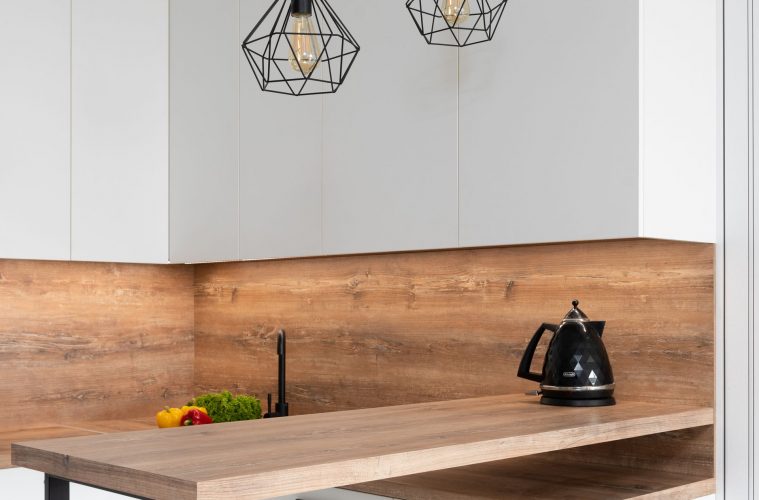
Think about visual weight as well as measurements. A large open wire frame will appear lighter than a solid shade of the same size. In an open-plan home, repeating a finish or material across different fittings can help connect the spaces without making them identical.
When pendant lights are the wrong choice
Low ceilings, narrow corridors and busy walkways are often better suited to flush or semi-flush fittings. A hanging shade may reduce headroom or interfere with doors and cupboards. Where people walk beneath a pendant, allow generous clearance and consider the tallest household member.
Pendants are also less useful when they are expected to illuminate an entire room on their own. Combine them with wall lights, floor lamps or discreet ceiling lighting to avoid dark corners.
In bathrooms and other wet areas, choose fittings appropriate for the location and ask a qualified electrician about installation requirements. Heavy fittings also need suitable ceiling support. A pendant should enhance the way a room functions, not force the household to work around it.
ALSO SEE:
Featured Image: Pexels
