
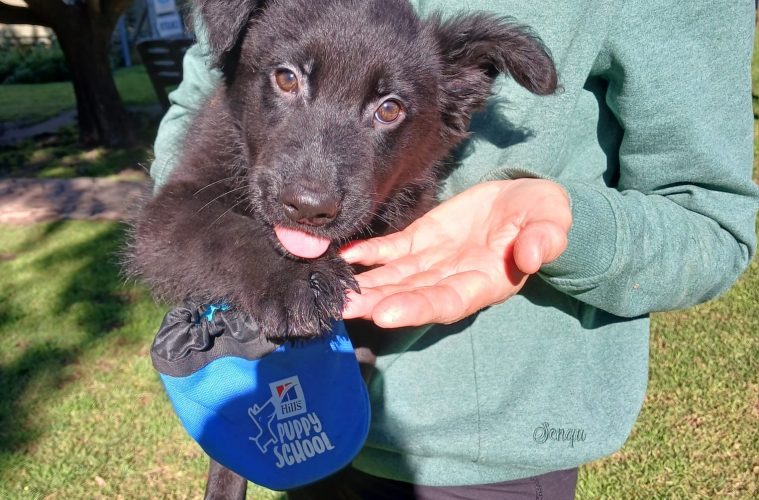
 Bianca Muller
Every successful adoption creates space for another homeless animal to be rescued. But at Animal Welfare Society (AWS), the number of pets needing homes continues to outpace the number of people choosing to adopt.
As one regional example of this, between April to June 2026 AWS Stellenbosch admitted 289 animals (201 dogs and 88 cats) yet only 124 were adopted. That means fewer than half (43%) of the animals entering the shelter found homes, while the remaining 57% continue to rely on the organisation for food, shelter, veterinary care, rehabilitation and foster homes as they wait for the right family. The trend is similar nationwide.
Ahead of International Homeless Animals’ Day on 15 August, AWS and Hill’s Pet Nutrition are encouraging South Africans to challenge the common misconceptions that often prevent people from considering adoption in the first place.
“The greatest misconception of all is that adopting means settling for second best,” says Jessica Perrins, General Manager of Animal Welfare Society Stellenbosch. “At AWS, we see every day that adopted pets are incredibly loving, loyal and every bit as deserving of a second chance.”
Here are five myths keeping shelter pets waiting for homes.
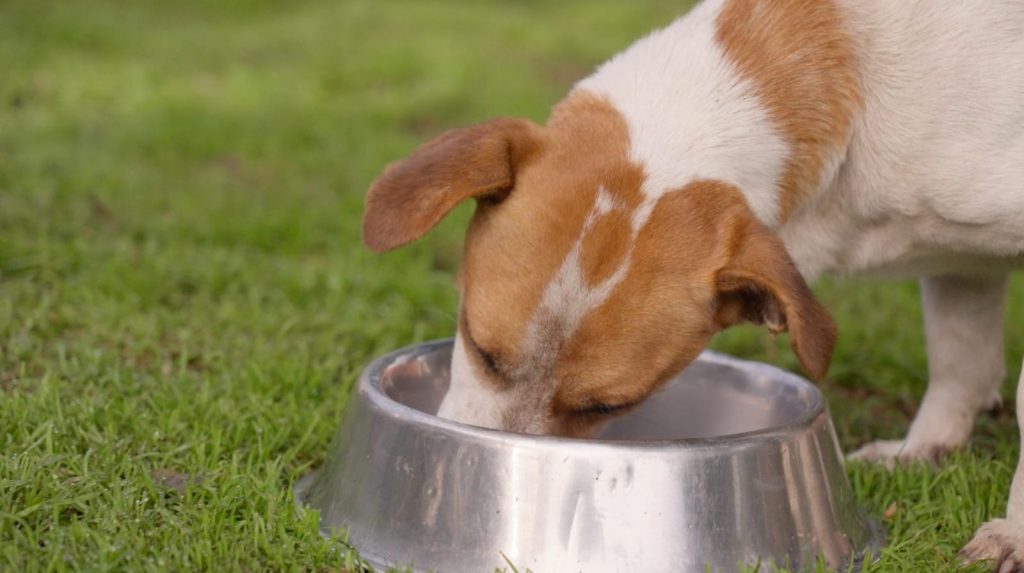
Mira, eating her breakfast. She is available for adoption from AWS Stellenbosch.
Myth 1: Shelter pets have behavioural problems
“The reality is that pets end up in shelters for many different reasons, many of which have nothing to do with the animal itself,” says Perrins. “We care for animals whose owners have passed away, families who can no longer afford to keep them, people who move and cannot take their pets with them, and sadly, animals that have simply been abandoned.”
She adds that every animal receives veterinary care and behavioural assessments, allowing the team to make the best possible match between pet and adopter.
Myth 2: Shelters only have mixed breeds
“Shelters usually have dogs and cats of all ages, sizes, breeds and personalities,” says Perrins. “Whether you’re looking for an energetic running companion, a family pet, or a calm older animal, there is a wonderful match waiting.”
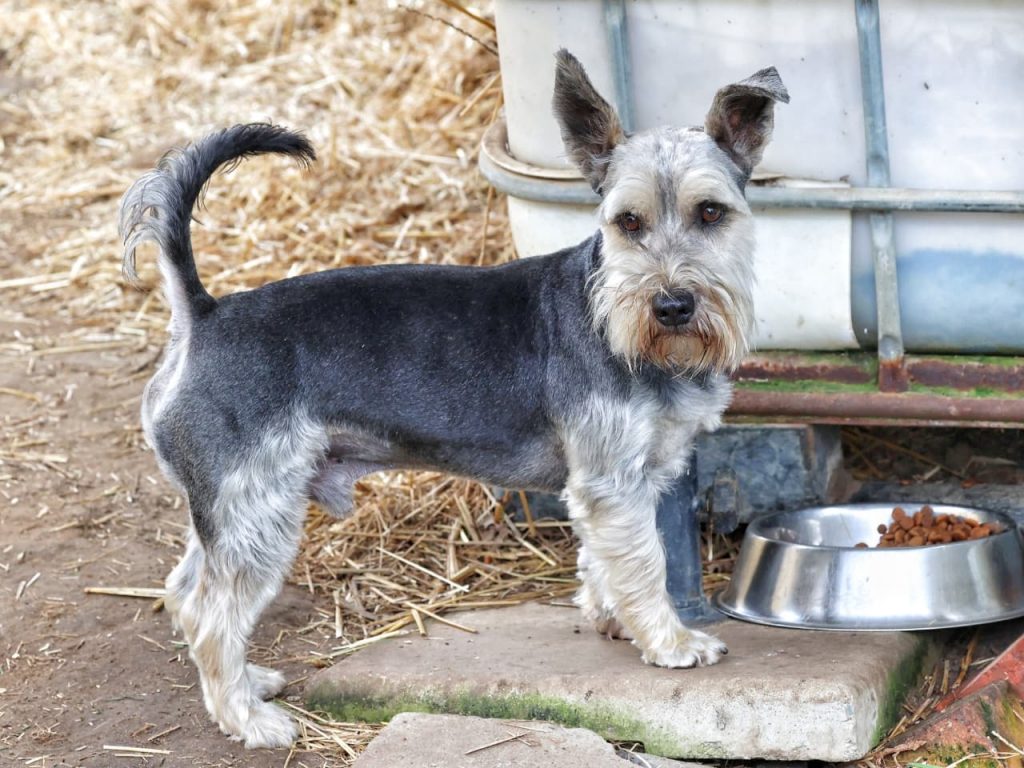
Ben is one of the lucky ones at AWS Stellenbosch – he was just adopted this week.
Myth 3: You have to know exactly what pet you want
“My advice is simple: come and visit,” says Perrins. “You don’t have to arrive knowing exactly what you’re looking for or commit to adopting on the spot. Spend some time meeting the animals, chat to our team, and let us help you find a pet whose personality and lifestyle match your own.”
She says people are often surprised by the dog or cat they end up falling in love with.
“Many people begin their search with a specific breed in mind, when what really matters is finding a pet whose personality, energy levels and care needs suit your lifestyle,” says Jackie Quail, Shelter Channel Manager at Hill’s Pet Nutrition. “Tools like the free Hill’s Pet Matchmaker App can help prospective pet parents better understand what type of pet may be the best fit before they even visit a shelter, making it easier to find a companion they’ll love for life.”
Myth 4: You have to adopt the moment you visit
Some people avoid visiting shelters because they worry they’ll be expected to make an immediate commitment.
“Adopting a pet is a lifelong commitment, so it’s important to take the time to make the right decision,” says Perrins. “You don’t have to arrive knowing exactly what you’re looking for or commit to adopting on the spot.”
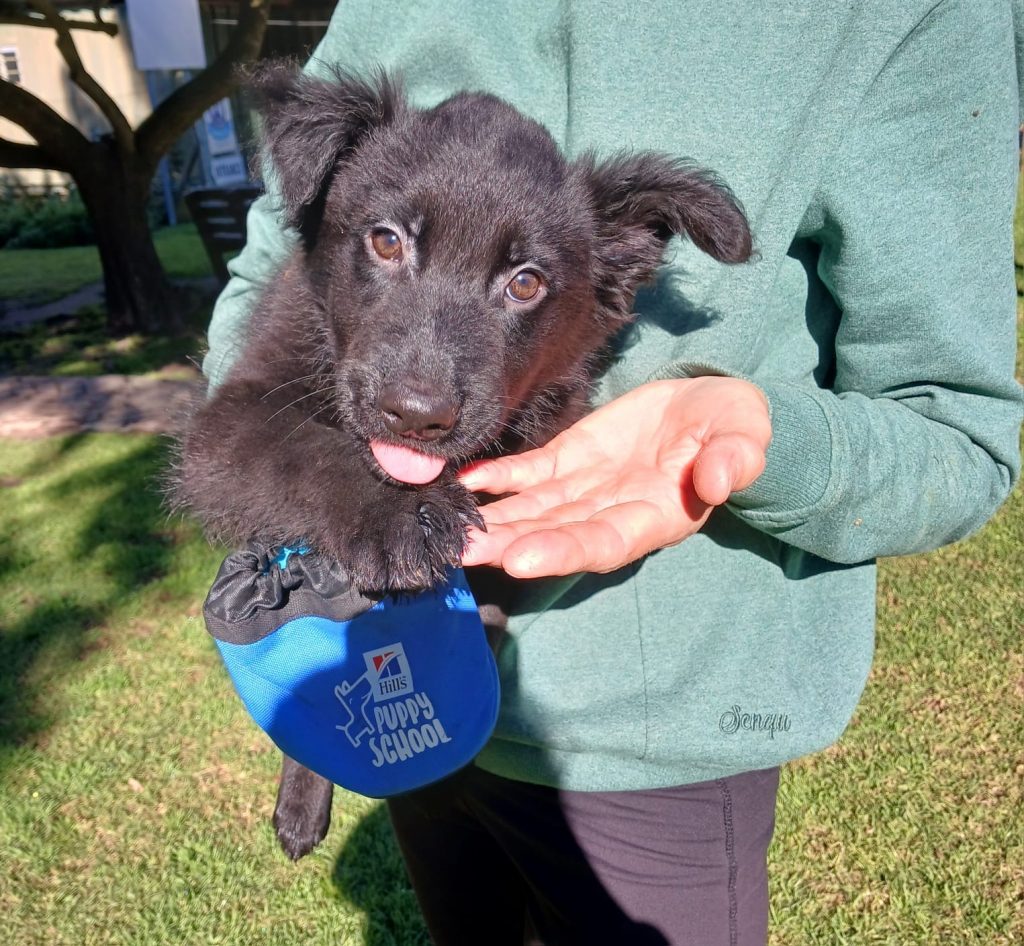
Pablo the cutest pup – available for adoption from AWS Stellenbosch.
Myth 5: Shelter pets aren’t as rewarding
For Perrins, this is the biggest misconception of all. “If you’re on the fence because you’re worried about adopting from a shelter, don’t let those misconceptions hold you back. Shelter animals have just as much love to give as any other pet, they’ve simply had a harder start in life.”
“Every pet deserves the opportunity to thrive, regardless of how they came to a shelter,” says Quail. “When you choose adoption, you’re not only changing one animal’s life, you’re also helping shelters make room for the next pet in need. Along with patience, consistency and plenty of love, providing complete, high-quality nutrition gives adopted pets the healthiest possible start as they settle into their forever homes.”
ALSO SEE: Safe ways to get rid of ticks on your dog
