
 Jade Mcgee
One of the most common misconceptions about growing fruit trees is that you are planting for future generations. Many fruit trees do take years to establish before producing a worthwhile harvest, but a carefully chosen selection starts bearing significantly sooner than most people expect. July, when deciduous trees are dormant and bare-rooted specimens are available at nurseries, is one of the best months of the year to plant, which makes this a timely question.
Fig (Ficus carica)
The fig tree earns its place at the top of any quick-harvest list. Planted from a young tree, figs can produce their first fruit within the first or second growing season, and an established fig in the right position becomes one of the most productive fruit trees available in a South African garden. They tolerate heat, are drought-tolerant once established, and need very little intervention beyond a post-harvest prune and occasional feeding. Both the cooler winters of the Western Cape and the drier Highveld winters suit them well. Figs do not keep long once ripe, so be prepared to eat, preserve or share generously during harvest.
Pomegranate (Punica granatum)
The pomegranate is arguably the most underplanted fruit tree in South African gardens given how naturally suited it is to the climate. It tolerates heat and drought once established, is largely disease-resistant, and begins producing fruit within one to two years of planting. As an ornamental it is equally generous: the spring flowers are vivid orange-red and highly decorative. Pomegranate seeds have a distinct sweet-tart flavour excellent fresh, in salads, and in juice, and the fruit stores well at room temperature for several weeks.
Mulberry (Morus nigra)
The black mulberry is a fast-growing tree that bears fruit within two to three years and, once established, produces prolifically throughout summer. The fruit has a complex flavour, variously described as tart-sweet or reminiscent of a richer blackberry, and it is excellent eaten fresh, made into jam, or frozen for use through winter. Mulberry trees grow vigorously and can be kept to a manageable size with annual pruning after fruiting. They suit most South African climate zones and require relatively little maintenance beyond an annual cut.
Banana (Musa acuminata)
For gardens in KwaZulu-Natal, the Lowveld and other warm subtropical regions, the banana is one of the quickest-producing fruit plants available: a plant established from a sucker can produce its first bunch within 10 to 18 months, and the suckers that follow fruit in sequence. Bananas need warmth, humidity and consistent moisture, which makes them unsuitable for the Highveld or the drier interior. In the right climate, however, they are both productive and architecturally impressive.
Citrus: lemon and naartjie
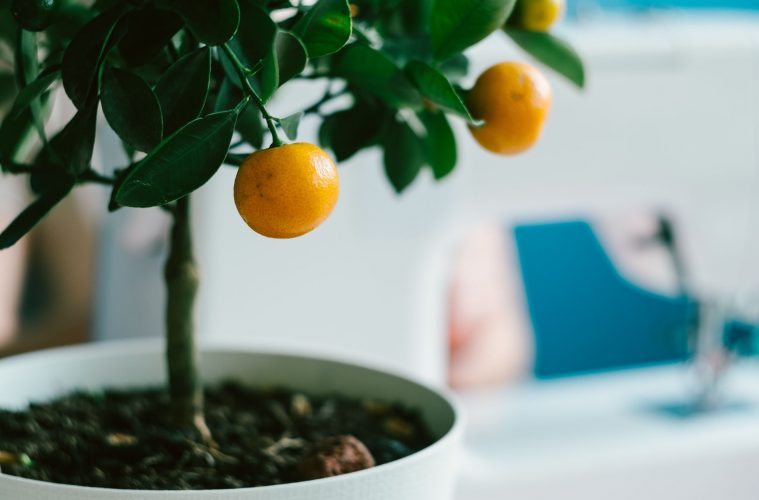
Citrus trees are the backbone of the South African home orchard and with good reason. A dwarf lemon or naartjie tree planted in a container or in the ground in a frost-free position will produce fruit within two to three years and continue for decades. Meyer lemons are particularly well-suited to container growing: compact, productive and capable of producing fruit almost year-round in warm conditions. All citrus need well-drained soil, regular feeding with a citrus-specific fertiliser and protection from frost in colder regions.
Peach (Prunus persica)
Peaches are one of the faster-producing deciduous fruit trees, typically bearing their first usable crop within two to three years of planting. They require a certain number of chill hours, the accumulated hours below 7 degrees Celsius in winter, to flower and fruit well, which limits their suitability in very warm coastal gardens but makes them an excellent choice for Highveld and Western Cape winelands gardens. Plant in winter while dormant, in a sunny position with free-draining soil, and prune after harvest each year to maintain the tree’s structure and stimulate new growth.
Blueberry (Vaccinium spp.)
Blueberries are a more recent addition to the South African home garden but have gained significant traction in areas where acidic soil or a willing grower makes the necessary soil preparation worthwhile. They require a pH between 4.5 and 5.5, which most South African soils do not naturally provide but can be amended with sulphur or by using acidic growing media. A well-cared-for blueberry bush begins producing within two to three years and increases its yield annually for many years thereafter. Southern Highbush varieties are most suited to South African conditions.
Grape vine (Vitis vinifera)
Grape vines are planted across South Africa from the Winelands to the Highveld, and a well-positioned vine in full sun begins producing table grapes within two to three seasons. Beyond the fruit, a grape vine on a pergola or trellis provides dense summer shade and drops its leaves in winter to allow light through, making it one of the most useful dual-purpose plantings available. Vines need annual pruning in July or August to stimulate the new wood on which fruit is produced the following season.
Now is the time to plant
July is one of the best months to establish new fruit trees across most of South Africa. Deciduous trees are fully dormant and available as bare-rooted specimens from nurseries, which typically establish faster and more vigorously than container-grown trees planted later in the season. Prepare your planting holes with generous compost, plant at the same depth the tree was growing at in the nursery, water in thoroughly, and mulch well around the base to retain soil moisture through the remaining winter weeks. By the time the first warm days arrive in August, the roots will already be working.
ALSO SEE:
7 winter vegetable combinations for container and balcony gardens
Featured Image: Pexels
