
 Chumasande Matiwane
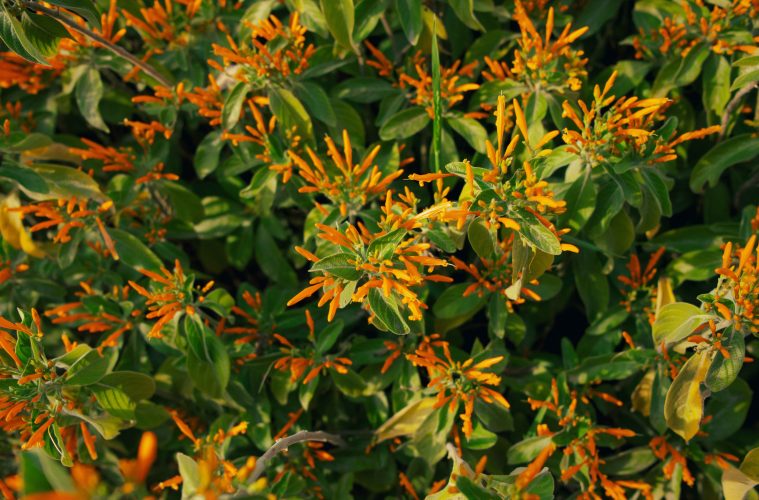
The Cape May plant, also known as Cape honeysuckle, is a vigorous, colourful flowering shrub or climber. Its bright flowers make it an excellent choice for attracting birds and adding colour to gardens.
Choosing the right position
Plant your Cape May in a sunny to partly shaded position. With full sunlight, it generally produces the best flowering, while some afternoon shade can be beneficial in very hot areas.
Choose a spot with enough room for the plant to spread. It can be trained against a wall, fence, trellis or other support.
Prepare the soil
Cape May plants prefer fertile, well-drained soil. Before planting, you need to loosen the soil and mix in compost or well-rotted organic matter. Good drainage is important because constantly wet soil can damage the roots.
Plant it carefully
Dig a hole about twice the width of your plant’s root ball. Place the plant in the hole at approximately the same depth as it was growing in its container.
Backfill with soil, gently firm it around the roots and water thoroughly.
If you are growing it as a climber, provide a trellis or other sturdy support from the beginning.
Water regularly
Water young plants regularly while they establish their roots. Once established, Cape May plants are relatively drought-tolerant, but they will flower and grow better when they receive adequate moisture.
During hot, dry weather, give the plant a deep watering rather than frequent, light watering.
Feed your plants
Apply a balanced garden fertiliser or compost during the active growing season. Feeding encourages healthy foliage and abundant flowers. Avoid excessive fertilising, as this can encourage leafy growth at the expense of flowers.
With plenty of sunlight, well-drained soil and regular care, Cape May can become a striking garden feature. Its colourful tubular flowers are particularly valuable in wildlife-friendly gardens because they can attract nectar-feeding birds and insects.
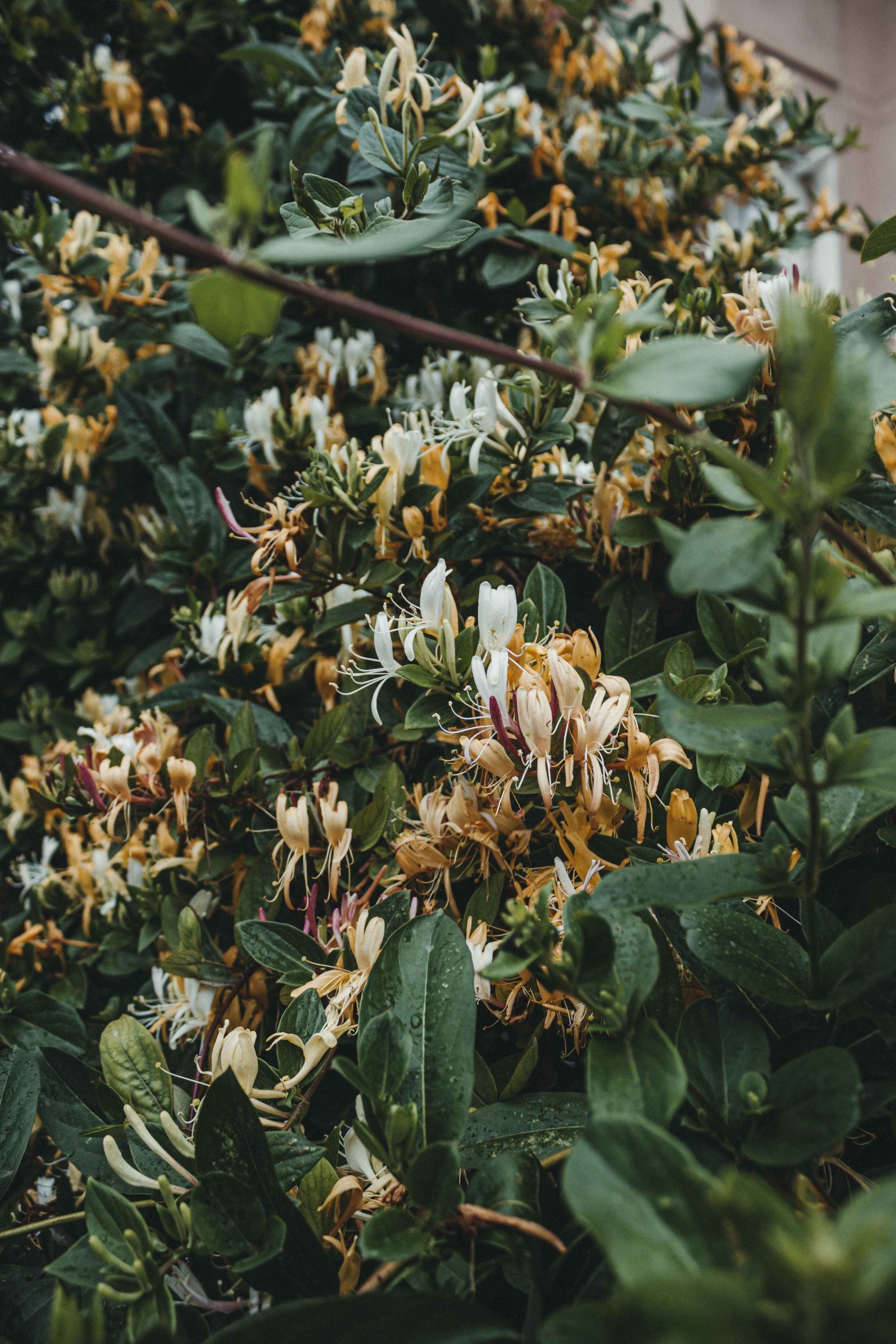
Image Credit: Pexels
ALSO SEE:
Feature Image: Pexels
