
 Bianca Muller
Unlike annual flowers or seasonal vegetables, a tree is a long-term promise. It asks for a little patience now, but rewards you for decades with birdsong, cooler afternoons, colourful foliage and a garden that feels established.
If you’re dreaming of lazy summer lunches under leafy branches or simply want to cool down a sunny garden naturally, now is one of the best times to get trees into the ground. During the cooler months, roots can establish before the heat of spring and summer arrives, giving young trees a much stronger start.
Here are some of the best trees to plant now if shade is at the top of your wish list.
1. White stinkwood
One of South Africa’s most beloved indigenous shade trees, the white stinkwood deserves its reputation. It grows into a graceful, spreading tree with a broad canopy that casts generous shade without making the garden feel dark.
It is deciduous, meaning it loses its leaves in winter, allowing welcome sunshine to reach your garden when temperatures drop. In summer, however, its lush green canopy provides cooling relief. Birds also love its small berries, making it an excellent wildlife-friendly choice.
Best for: Large gardens, parks and family gardens.
2. Wild olive
If you’re after an evergreen option, the wild olive is difficult to beat. Naturally found across much of southern Africa, it is remarkably hardy, coping well with drought, wind and frost once established.
Although slower growing than some species, it develops into a beautiful, rounded tree with dense foliage that offers year-round shade. Its small fruits also attract numerous bird species.
Best for: Low-maintenance gardens and water-wise landscapes.
3. Wild plum
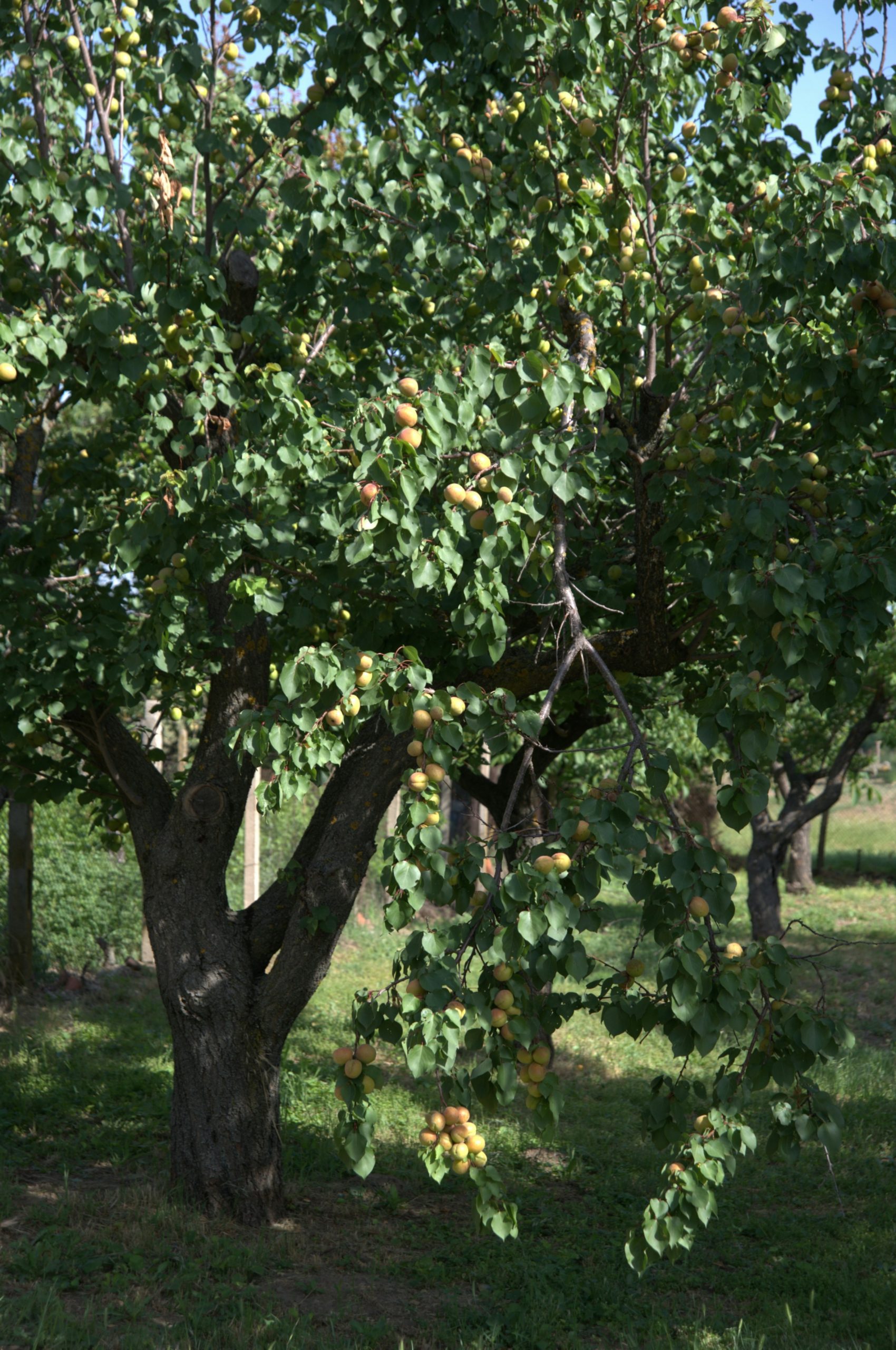
Photo: Unsplash
The wild plum is a magnificent evergreen tree that quickly becomes the centrepiece of a spacious garden. Its dense crown creates excellent shade, while its clusters of edible fruits attract fruit-eating birds throughout autumn.
This species naturally occurs along South Africa’s eastern regions but adapts well in many frost-free and coastal gardens with adequate moisture.
Best for: Medium to large gardens with enough space for a mature canopy.
4. Cape ash
Elegant and fast-growing, the Cape ash develops into a stately tree with an attractive rounded canopy. It thrives in areas with reliable summer rainfall but can adapt to many parts of the country once established.
Its glossy leaves provide cooling shade during the hottest months, while birds are drawn to its colourful berries.
Best for: Homeowners wanting relatively fast shade with ornamental appeal.
5. Wild peach
Despite its name, this tree doesn’t produce edible peaches—but it certainly earns its place in the garden.
The wild peach is semi-deciduous, with soft grey-green foliage that creates dappled shade rather than dense darkness. It also serves as the host plant for the beautiful Acraea butterfly, making it an excellent biodiversity booster.
Growing to around 8 to 10 metres, it’s better suited to medium-sized gardens.
Best for: Wildlife gardens and gardeners who enjoy attracting butterflies and birds.
6. Karee
Need shade without sacrificing drought tolerance? The indigenous karee ticks both boxes.
This evergreen tree is well adapted to dry conditions and has graceful, weeping branches that create filtered shade. Its small berries are popular with birds, while its relatively non-invasive roots make it a practical option for many suburban gardens.
Best for: Dry inland gardens and water-wise landscapes.
7. Lavender tree
If your garden is on the smaller side, the lavender tree offers a beautiful compromise. Although slower growing than some larger shade trees, it eventually forms an elegant rounded canopy with glossy leaves and fragrant bark.
Its compact habit makes it ideal where space is limited but shade is still desired.
Best for: Smaller suburban gardens.
8. Pin oak
If autumn colour is high on your garden wish list, the pin oak is hard to overlook. This deciduous tree is prized for its brilliant display of bronze, orange and deep red leaves before they fall, while its broad, rounded canopy provides generous shade throughout summer.
Pin oaks are relatively fast-growing compared to many other oaks and perform well in areas with cold winters and warm summers. They prefer deep, well-drained soil and regular watering while becoming established.
Best for: Large gardens where seasonal colour is just as important as summer shade.
Note: Pin oaks can reach 15–25 metres at maturity, so allow plenty of room away from buildings and paved areas.
9. Carob (Ceratonia siliqua)
The carob tree is an excellent choice if you’re looking for an evergreen shade tree that thrives in hot, dry conditions. Native to the Mediterranean, it has adapted well to many parts of South Africa, particularly regions with Mediterranean-type climates such as the Western Cape.
Its dense, glossy canopy creates welcome shade during summer, while its leathery pods are edible and can be used as a naturally sweet cocoa alternative. Once established, the carob is remarkably drought tolerant and requires very little maintenance.
Best for: Water-wise gardens, Mediterranean-style landscapes and homeowners looking for a hardy, long-lived shade tree.
ALSO SEE: The best and worst trees for windy South African gardens
Feature image: Unsplash
