
 Bianca Muller
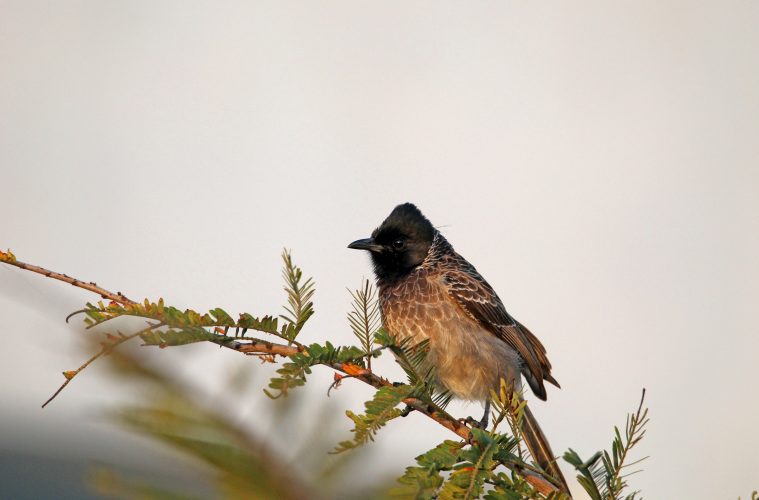
Among the regular visitors to South African gardens, bulbuls are often the first to announce the start of the day with their lively calls and busy antics. They may not be as flashy as a sunbird or as dramatic as a hadeda, but these friendly, adaptable birds earn their place as one of the country’s favourite garden visitors.
What is a bulbul?
Bulbuls belong to the Pycnonotidae family, with more than 150 species found across Africa, Asia and parts of the Middle East. In South Africa, the species you’ll most commonly spot depends on where you live.
Some of the most familiar include:
- Cape bulbul (Pycnonotus capensis) – Common throughout the Western Cape and Eastern Cape.
- Dark-capped bulbul (Pycnonotus tricolor) – Found across much of the country’s eastern and northern regions.
- African red-eyed bulbul (Pycnonotus nigricans) – Occurs mainly in the drier western parts of South Africa and Namibia.
Despite their differences, they’re all medium-sized birds with soft brown or grey plumage, expressive eyes and curious personalities.
The Cape bulbul is particularly at home in fynbos, while the dark-capped bulbul prefers areas with denser tree cover. If your garden offers food, water and shelter, there’s a good chance a bulbul will eventually pay a visit.
What do bulbuls eat?
One reason bulbuls thrive in gardens is that they’re not fussy eaters.
Their menu includes:
- Soft fruits such as figs, mulberries and wild olives
- Berries
- Flower nectar
- Insects
- Caterpillars
- Beetles
- Spiders
- Seeds and small shoots
During spring and summer, insects become especially important because adults need the extra protein to feed their chicks. If you’ve ever noticed a bulbul nibbling at your strawberries or pecking at ripe grapes, you’re not imagining it. They certainly enjoy fruit, but the trade-off is that they also help keep insect numbers in check.
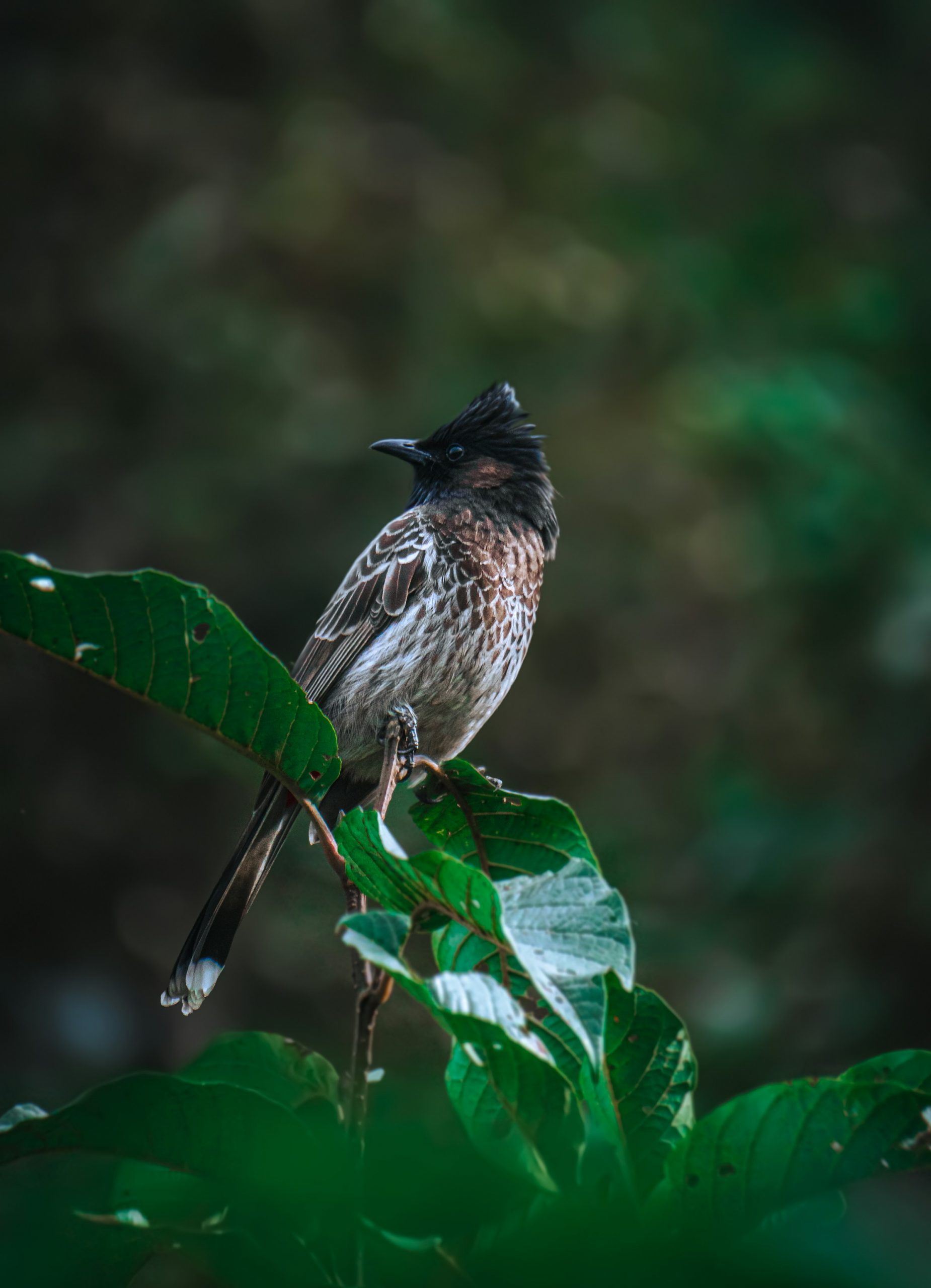
Photo: Unsplash
Why bulbuls are good for your garden
A healthy garden isn’t just about beautiful plants—it’s about creating a balanced ecosystem. Bulbuls contribute in several ways.
Natural pest control
As enthusiastic insect hunters, bulbuls feed on caterpillars, beetles, aphids and other garden pests that can damage flowers, vegetables and shrubs.
Seed dispersal
After eating berries and fruit, bulbuls disperse seeds as they move through the landscape. This helps many indigenous plants spread naturally.
Pollination
While feeding on nectar, bulbuls transfer pollen between flowers. Although they aren’t as specialised as sunbirds, they still play a supporting role in pollination.
Do bulbuls damage gardens?
Not usually. They may sample soft fruit when it’s ripe, but the damage is generally minor compared with the benefits they provide through pest control and seed dispersal. If you’re growing berries or grapes for yourself, lightweight bird netting over individual plants can help protect your harvest without discouraging birds from visiting the rest of the garden.
Fun bulbul facts
- Bulbuls are highly vocal and communicate using a wide variety of whistles, chirps and bubbling calls.
- They’re often seen in pairs, particularly during the breeding season.
- Both parents help care for their chicks.
- They quickly learn where reliable food and water sources are found, making them regular visitors to welcoming gardens.
- Unlike some bird species that migrate long distances, most South African bulbuls remain in the same general area throughout the year.
ALSO SEE: Garden bird of the week: The Fiscal Shrike (Janfiskaal)
Feature image: Unsplash
