
 Chumasande Matiwane
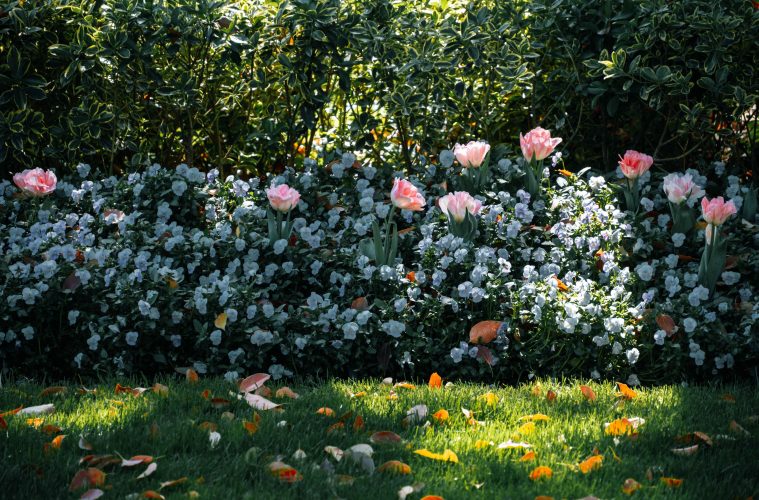
Every garden has its own unique environment, known as a microclimate. Even within a small backyard, conditions such as sunlight, wind, temperature, and moisture can vary from one area to another.
Learning to recognise these differences helps you choose the right plants and create a healthier, more productive garden.
What is a microclimate?
A microclimate is the set of environmental conditions in a specific part of your garden that differs from the surrounding area. Factors like buildings, fences, trees, slopes, and paved surfaces all influence how much sun, heat, wind, and moisture a spot receives.
How to assess your garden’s microclimate
Identifying sunny and shady areas
You need to observe your garden throughout the day to see how sunlight moves across the space and how it affects these spaces. Some areas may enjoy full sun for six or more hours, while others remain in partial or full shade.
Matching plants to their preferred light conditions encourages stronger growth and better flowering.
Wind and shelter
Wind can dry out soil, damage your more delicate plants, and reduce temperatures. You need to notice where strong breezes occur and where walls, hedges, or fences provide protection.
Planting wind-sensitive crops in sheltered locations can improve their health and reduce water loss.
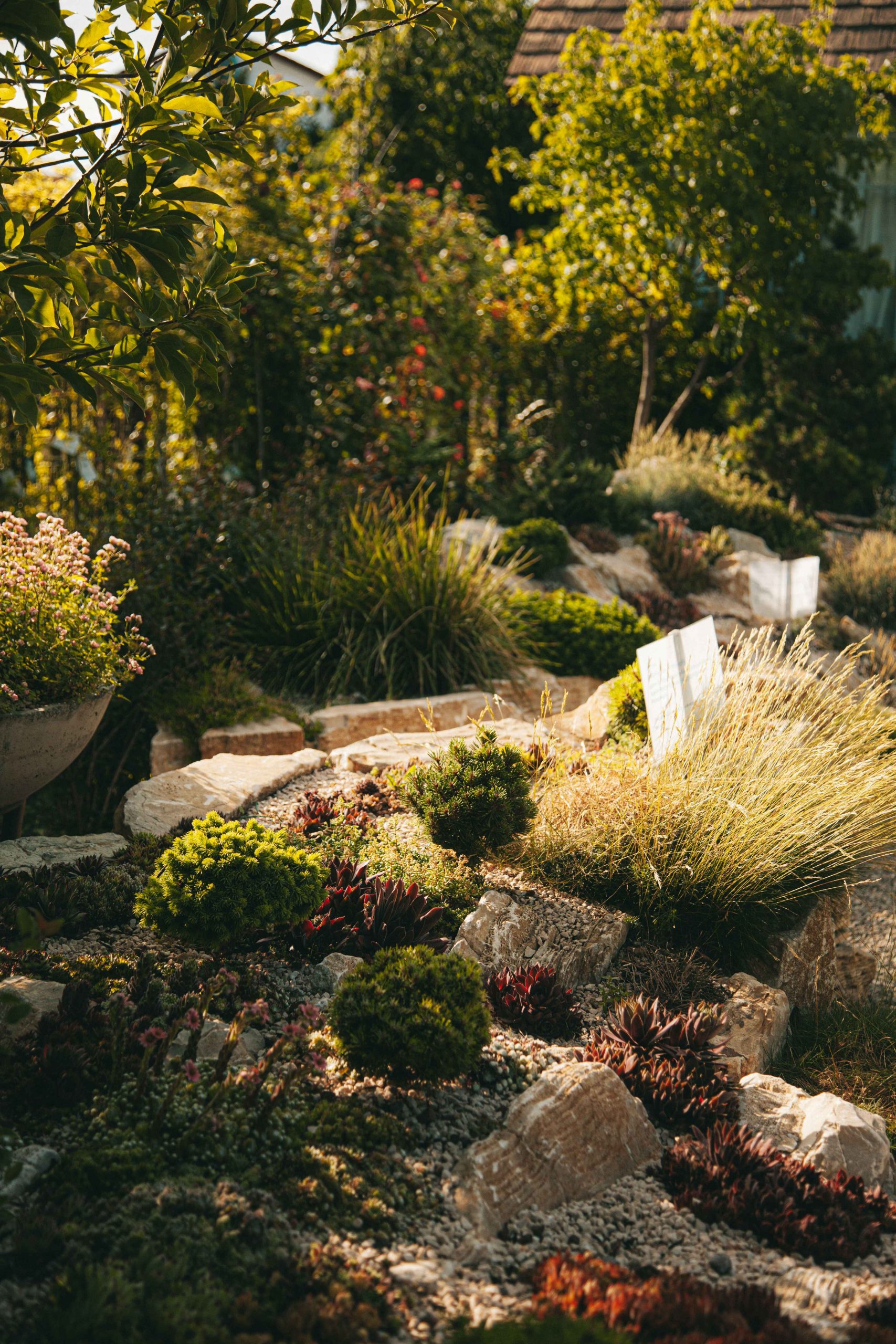
Image Credit: Pexels
Moisture and drainage
Not all parts of a garden drain equally. Low-lying areas may stay damp after rain, while raised beds and slopes often dry out more quickly. Understanding these patterns allows you to place moisture-loving plants in wetter areas and drought-tolerant varieties where the soil dries faster.
Temperature differences
Hard surfaces such as brick walls, patios, and stone pathways absorb heat during the day and release it at night, creating warmer pockets. In contrast, open spaces and low areas may experience cooler temperatures or even frost. Using these natural temperature differences can help extend your growing season for certain plants.
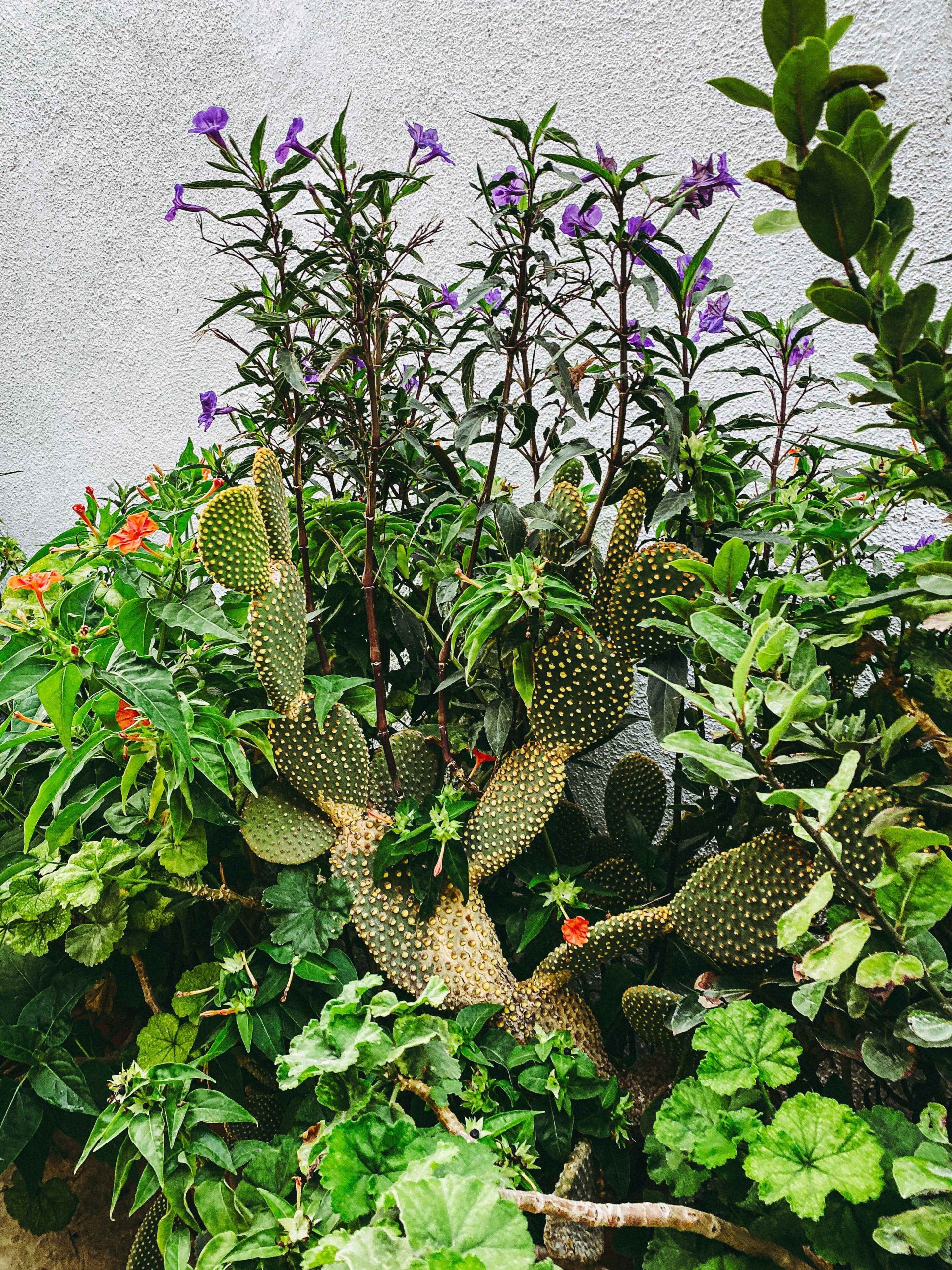
Image Credit: Pexels
Once you understand your garden’s microclimates, you can work with nature instead of against it.
ALSO SEE:
Holiday gardening crafts for curious kids: Simple, messy, and magical nature fun
Feature Image: Pexels
