
 Bianca Muller
Bees might be the first thing that comes to mind when you think about pollination, but they aren’t the only ones helping flowers reproduce. Birds, butterflies, moths, beetles and even the wind play an important role in moving pollen between flowers.
Understanding how pollination works can also change the way you look at your garden. Some familiar South African plants have fascinating relationships with their pollinators, while others have developed clever ways of reproducing without relying on visiting insects or birds.
Here’s a closer look at four types of pollination and the plants you might already have growing in your garden.
First, what is pollination?
Pollination is the transfer of pollen from the anther (the part of a flower that produces pollen) to the stigma (the part that receives it). This is an essential step in plant reproduction, eventually allowing many plants to produce seeds and fruit.
There are two main ways this happens:
Self-pollination: Pollen is transferred to the stigma of the same flower or another flower on the same plant. Tomatoes, beans and peas are familiar examples.
Cross-pollination: Pollen moves between flowers on two separate plants of the same species. This encourages genetic diversity and often relies on insects, birds or wind.
4 types of pollination to know
1. Insect pollination
Bees, butterflies, moths, beetles and flies all help pollinate flowers. As they move between blooms looking for nectar or pollen, grains of pollen stick to their bodies and are carried to other flowers.
Insect-pollinated flowers often have bright petals, noticeable scents and nectar to attract visitors.
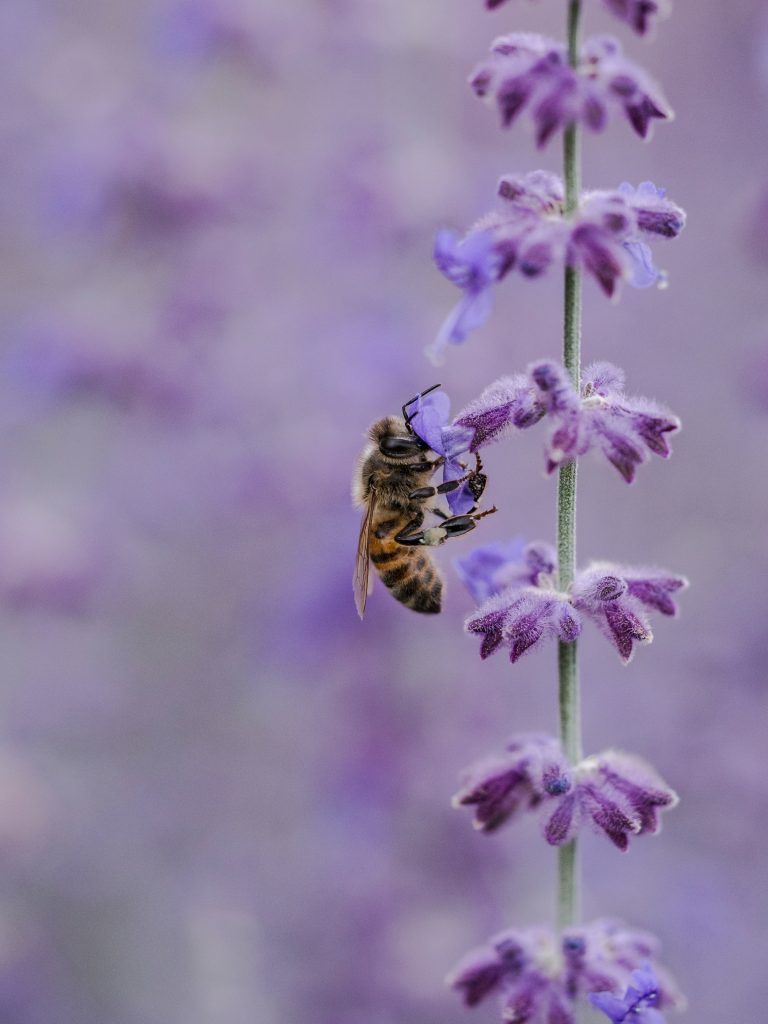
Photo: Unsplash
South African garden examples:
Lavender: Attracts bees and other nectar-feeding insects.
Salvias: Many indigenous salvias have a clever hinged mechanism that deposits pollen on a visiting bee.
Cosmos and marigolds: Their open blooms attract a variety of visiting insects.
Proteas: Some species, including Protea coronata, are pollinated by beetles as well as nectar-feeding birds.
2. Bird pollination
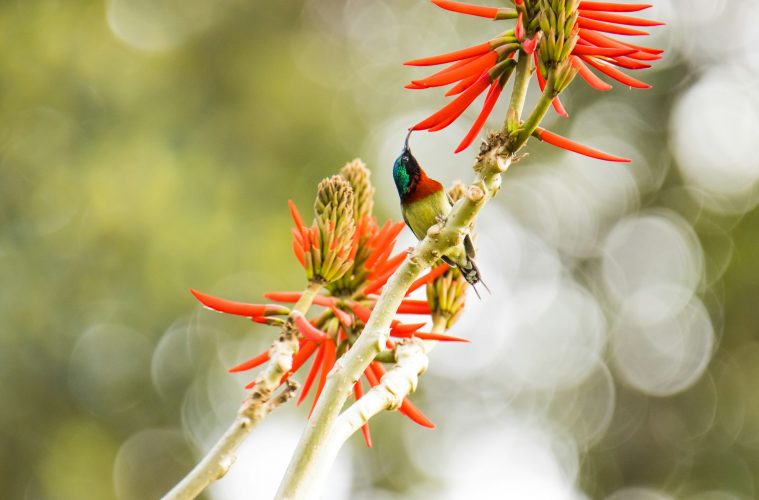
Some flowers rely on birds to transfer their pollen. They often have bright colours, sturdy structures and tubular shapes that allow nectar-feeding birds to reach the food inside.
As birds feed, pollen can attach to their heads and feathers before being carried to another flower.
South African garden examples:
Aloes: Their nectar-rich flower spikes attract sunbirds, particularly during the cooler months. Aloe ferox is a good example.
Proteas: Certain species have specialised relationships with the Cape sugarbird, which transfers pollen while feeding.
Agapanthus: Its flowers attract sunbirds and other visitors, although pollination methods can vary between species.
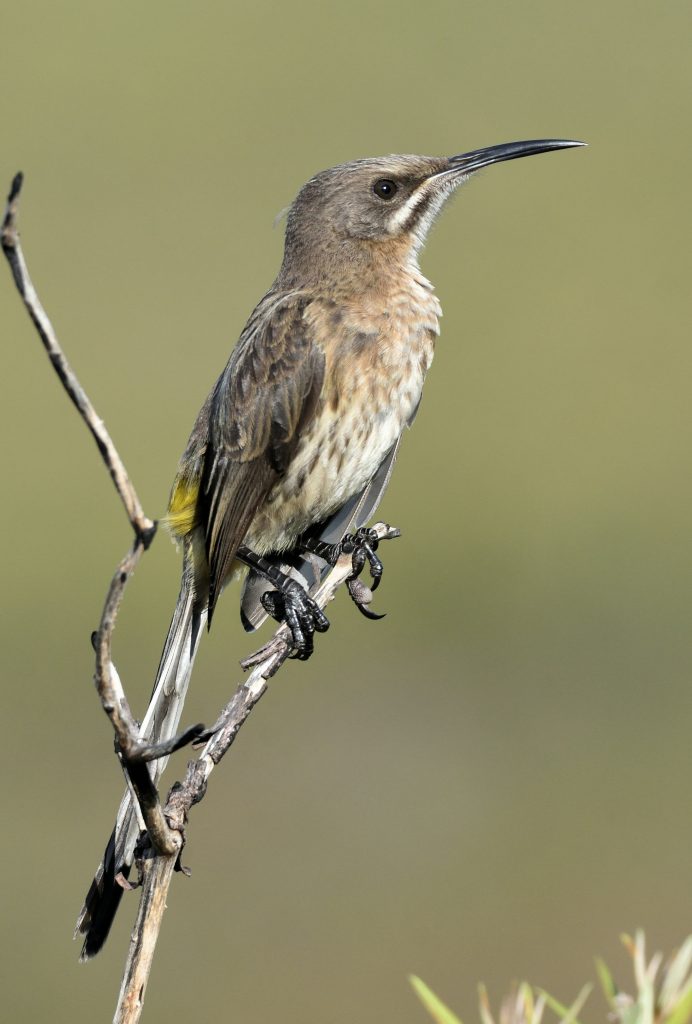
Photo: Unsplash
3. Wind pollination
Not all flowers need colourful petals or sweet scents to reproduce. Some rely on the wind to carry pollen between flowers.
Wind-pollinated plants generally produce large amounts of lightweight pollen. Their flowers are often small and inconspicuous, with exposed anthers that release pollen into the air.
South African garden examples:
Ornamental grasses: Many grasses rely on wind to transfer pollen.
Agapanthus: Some species, including Agapanthus africanus, can be pollinated by wind as well as insects and birds.
4. Night-time pollination
Some flowers do their attracting after sunset, relying on moths and other nocturnal insects to transfer pollen.
These flowers are often pale in colour and strongly scented, making them easier for night-flying visitors to locate. Some have long, tubular shapes that allow moths to reach nectar deep inside the bloom.
South African examples:
Brunsvigia: Certain species are visited by hawkmoths.
Gladiolus: Some indigenous species are pollinated by night-flying moths.
Lapeirousia: Certain species rely on specialised insect pollinators, including long-tongued flies.
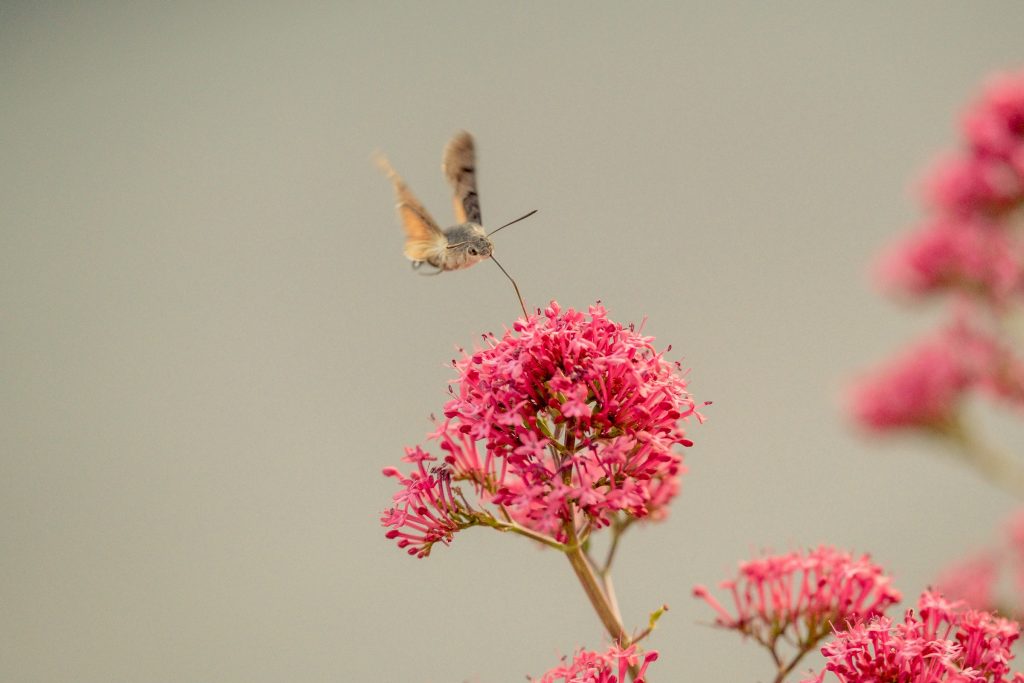
Photo: Unsplash
How to attract more pollinators to your garden
You don’t need a large garden to make a difference. A few thoughtful planting choices can provide food and shelter for visiting wildlife.
Plant indigenous flowers: Aloes, salvias and suitable proteas can provide valuable food for local pollinators.
Choose different flowering seasons: A variety of plants that flower throughout the year offers a more consistent food source.
Avoid unnecessary pesticides: These can harm beneficial insects as well as garden pests.
Provide water: A shallow water dish with stones gives birds and insects somewhere to drink safely.
Leave some flowers to go to seed: Spent flower heads can provide food for birds and help certain plants reproduce.
ALSO SEE: Garden bird of the week: The bulbul
Feature image: Unsplash
