
 Bianca Muller
If you love indoor plants but aren’t particularly fond of soggy potting soil, there is another way to bring greenery into your home. Several popular houseplants can grow in water without soil, turning a simple glass jar, vase or bottle into a living display. Growing plants in water is also a handy way to propagate cuttings, but some plants can go further than simply producing roots. With the right light, water and nutrients, certain houseplants can be maintained in water for the long term.
The trick is knowing which plants are suited to it – and understanding that a plant sitting in a glass of plain tap water indefinitely isn’t quite the same thing as a proper hydroponic setup. While some plants are remarkably unfussy about having their roots permanently surrounded by water, others are much better suited to water propagation before being transferred back into soil.
Can plants really grow in water without soil?
Yes, but there is a catch. Plants don’t actually need soil itself to grow. What they need is access to water, oxygen, light and essential nutrients. In traditional growing, soil provides physical support for the plant while also holding water, oxygen and nutrients around the roots. In hydroponic growing, the plant receives these necessities from a water-based growing system instead. This means certain houseplants can grow surprisingly well with their roots sitting in water, provided their other needs are met.
There is an important difference, however, between rooting a cutting in water and growing a mature plant in water permanently. Many houseplants will happily produce roots in a glass of water, but long-term growth requires nutrients. A fresh cutting has some stored energy that allows it to develop roots, which is why it can appear perfectly healthy in nothing more than water for quite some time. Once it is established and actively producing new leaves, however, it needs a reliable source of nutrients to continue growing. This is where water growing becomes more than simply placing a cutting in a vase.
The best indoor plants to grow in water
Pothos
Pothos is one of the best choices for growing in water and is particularly forgiving if you’re new to the idea. Its trailing stems are easy to propagate, making it simple to turn one established plant into several smaller water-grown displays. Take a healthy stem cutting containing at least one node – the point on the stem where a leaf, aerial root or new growth emerges – and place the node in water, keeping the leaves above the surface. Given bright, indirect light and clean water, roots should begin developing within a few weeks.
Once established, pothos can continue growing in water, although it will eventually need nutrients if you want it to produce healthy new growth. It is also a lovely choice for decorative glass containers because its trailing stems can be allowed to spill over the edge of a vase or jar.
Best for: Beginners, shelves, desks, hanging displays and trailing arrangements.
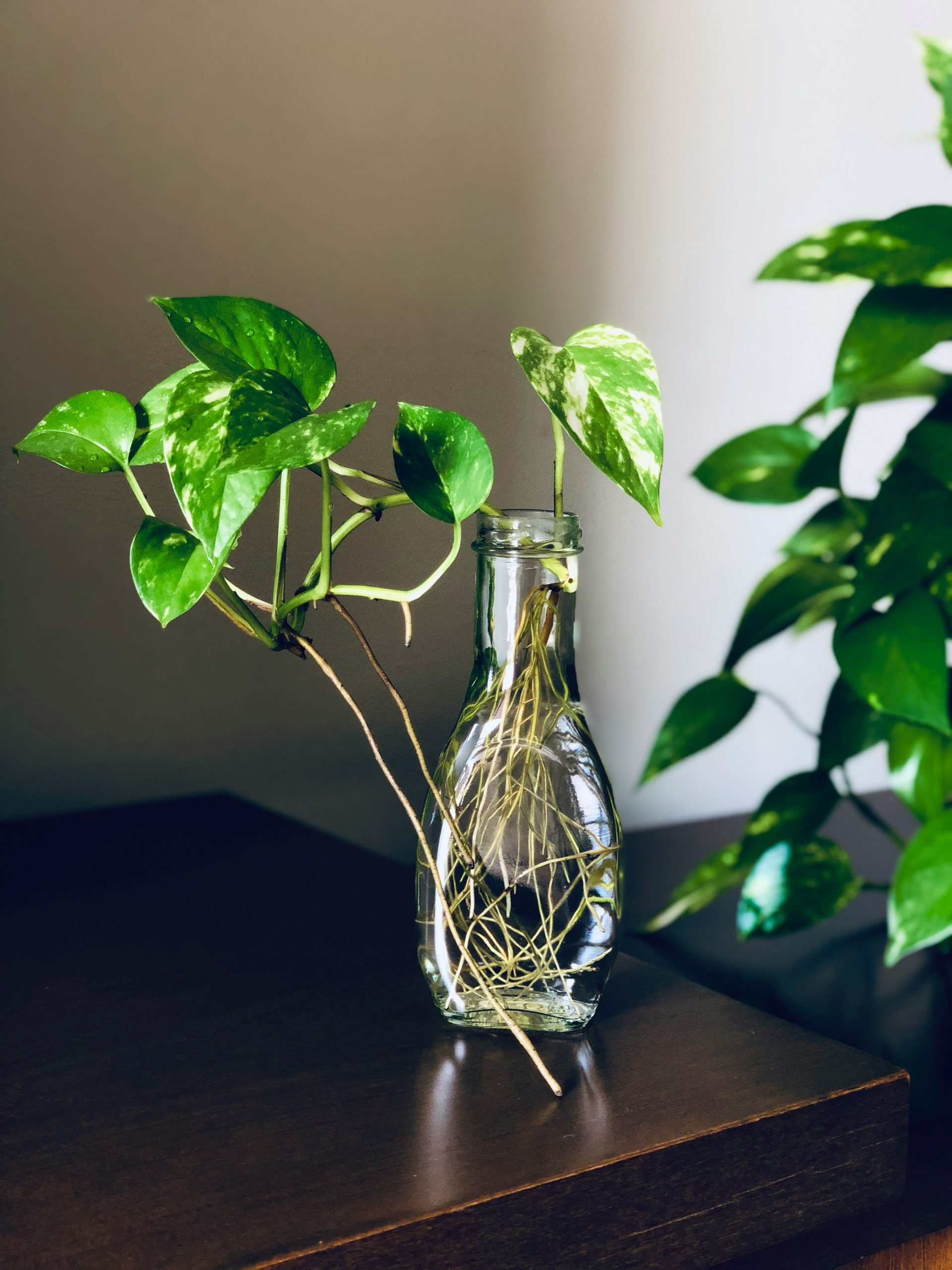
Photo: Unsplash
Heartleaf philodendron
Heartleaf philodendron is another excellent choice for water propagation and can be maintained in water once it has developed a healthy root system. Its heart-shaped leaves and trailing habit make it particularly attractive when several cuttings are grouped together in a glass container. As with pothos, select a healthy section of stem containing at least one node and place the node in water while keeping the foliage above the waterline.
It is also a useful plant if you want to create several smaller displays from one established plant. Instead of throwing away the pieces removed during pruning, you can use suitable cuttings to grow new plants. With enough light, clean water and nutrients, they can continue developing in their water-filled containers.
Best for: Small spaces, shelves and trailing displays.
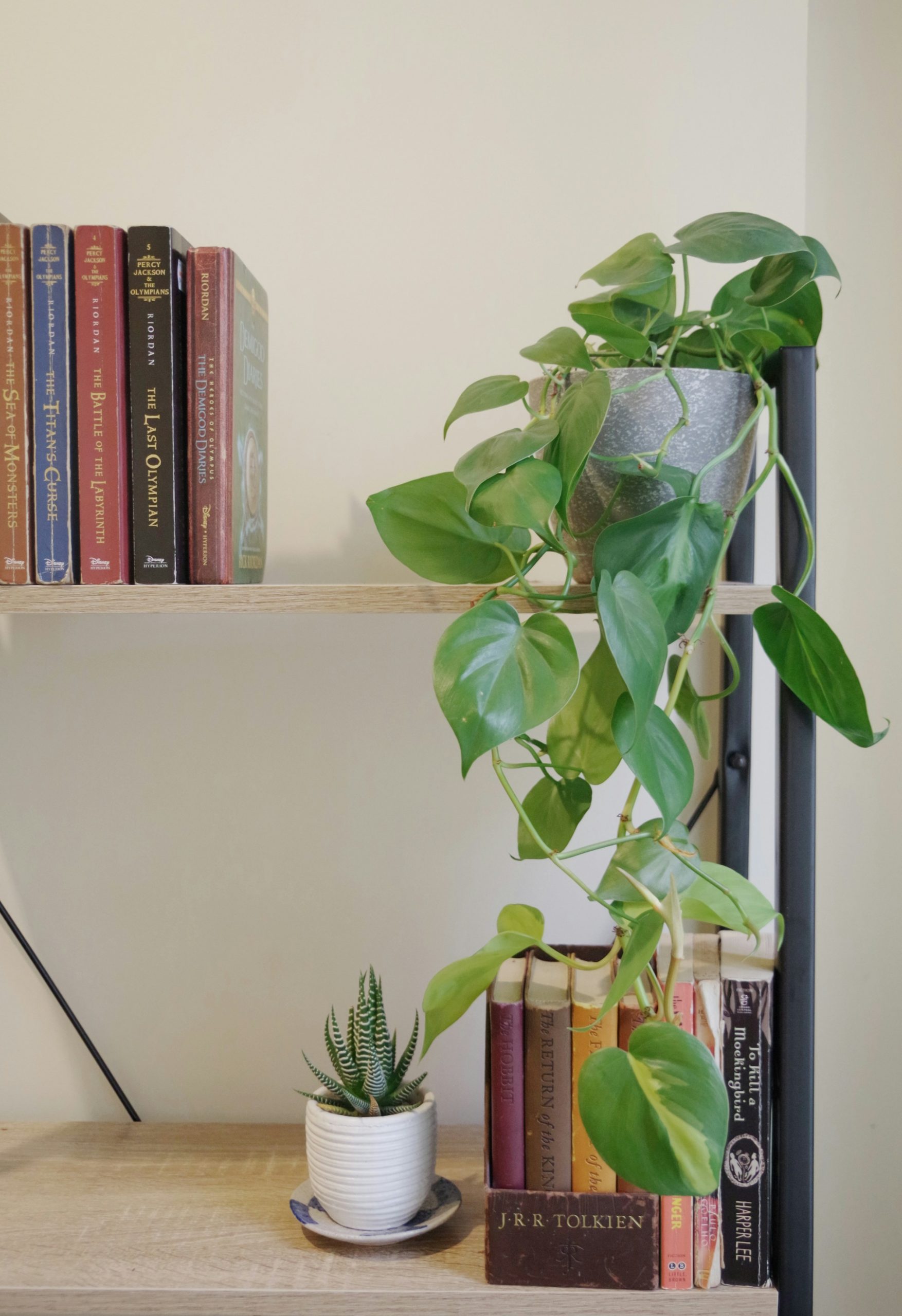
Photo: Unsplash
Lucky bamboo
Despite its common name, lucky bamboo isn’t actually bamboo. It is Dracaena sanderiana, and it is one of the plants most commonly grown in water. Unlike many houseplants that are simply propagated in water before being planted into soil, lucky bamboo is particularly well suited to being maintained in a water-filled container.
Place the stems in a clean container with enough water to cover the roots, while keeping the foliage and most of the stem above the water. Decorative pebbles can be added to the bottom of the container to help support the stems and give the arrangement a more finished appearance. Bright, indirect light is preferable, and the water should be kept clean rather than allowed to become stagnant or cloudy.
Best for: Minimalist displays, desks, bathrooms and small indoor spaces.
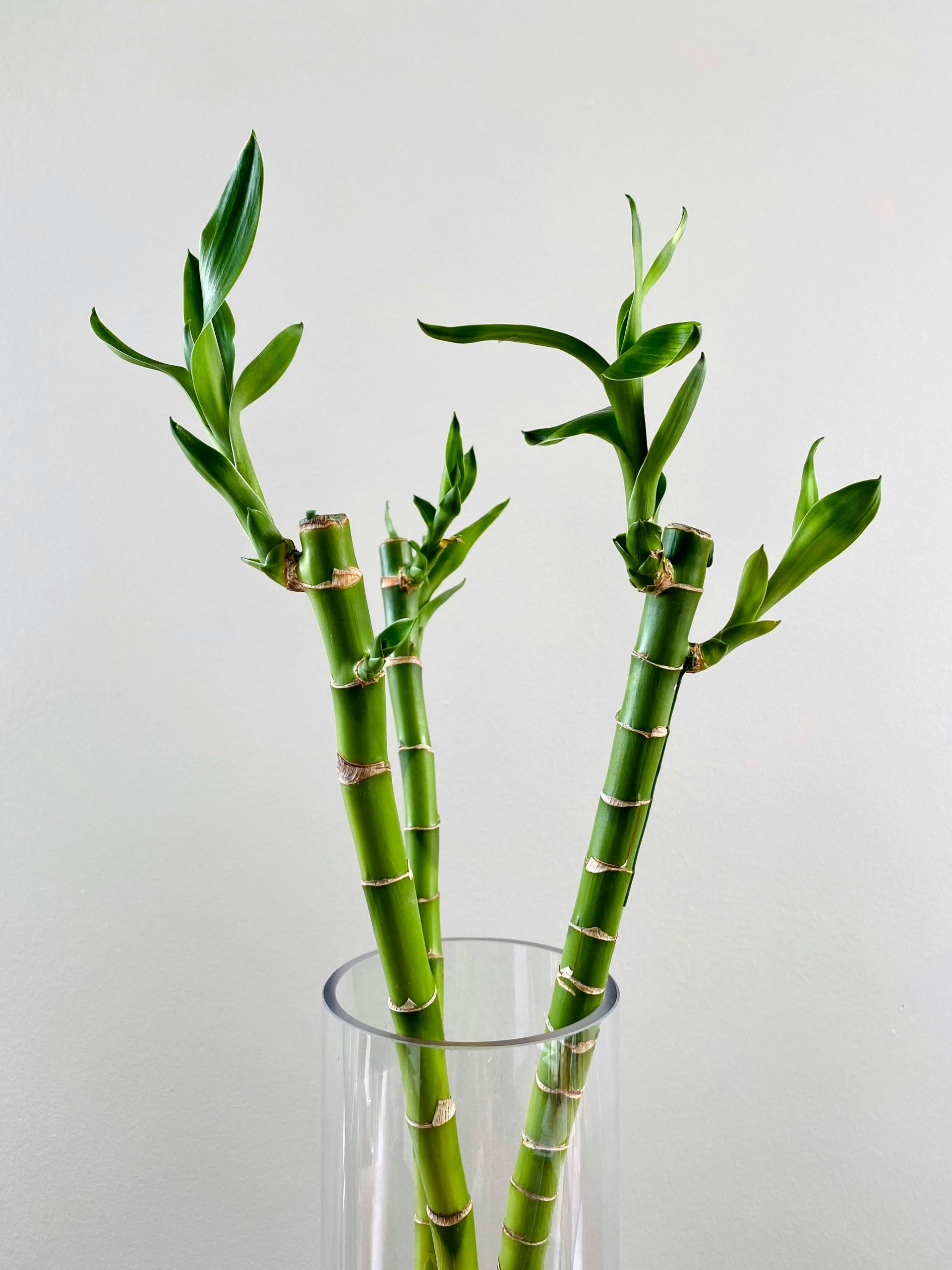
Photo: Unsplash
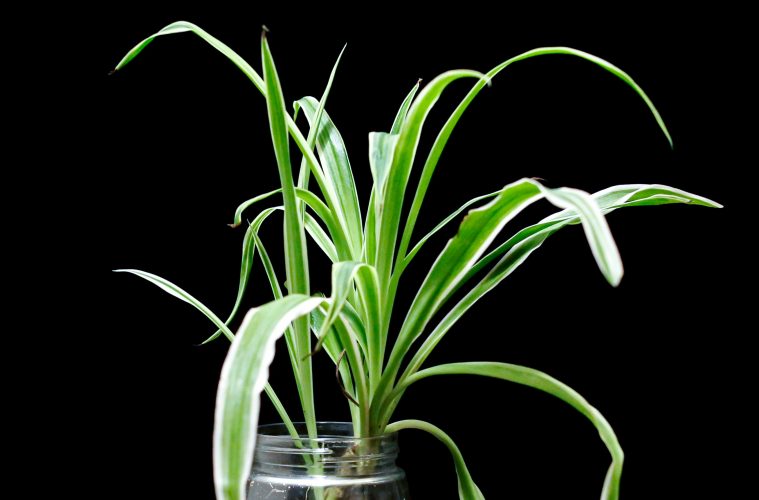
Spider plant
Spider plants are famous for producing little plantlets, often called “spider babies”, which makes them particularly easy to propagate. Instead of immediately planting these young plants in potting mix, you can place the base of a plantlet in water and allow it to develop roots. This is one of the simplest ways to get started with water propagation because the plantlets already have a small structure of their own and can root readily under suitable conditions.
The parent spider plant is generally grown in potting mix rather than permanently in water, so this is a better example of a plant that is particularly useful for water propagation than one that is guaranteed to thrive indefinitely in a vase. Once the young plant has developed a good root system, you can either transfer it to soil or experiment with continuing to grow it in water with appropriate nutrients.
Best for: Beginners and propagating lots of little plants.
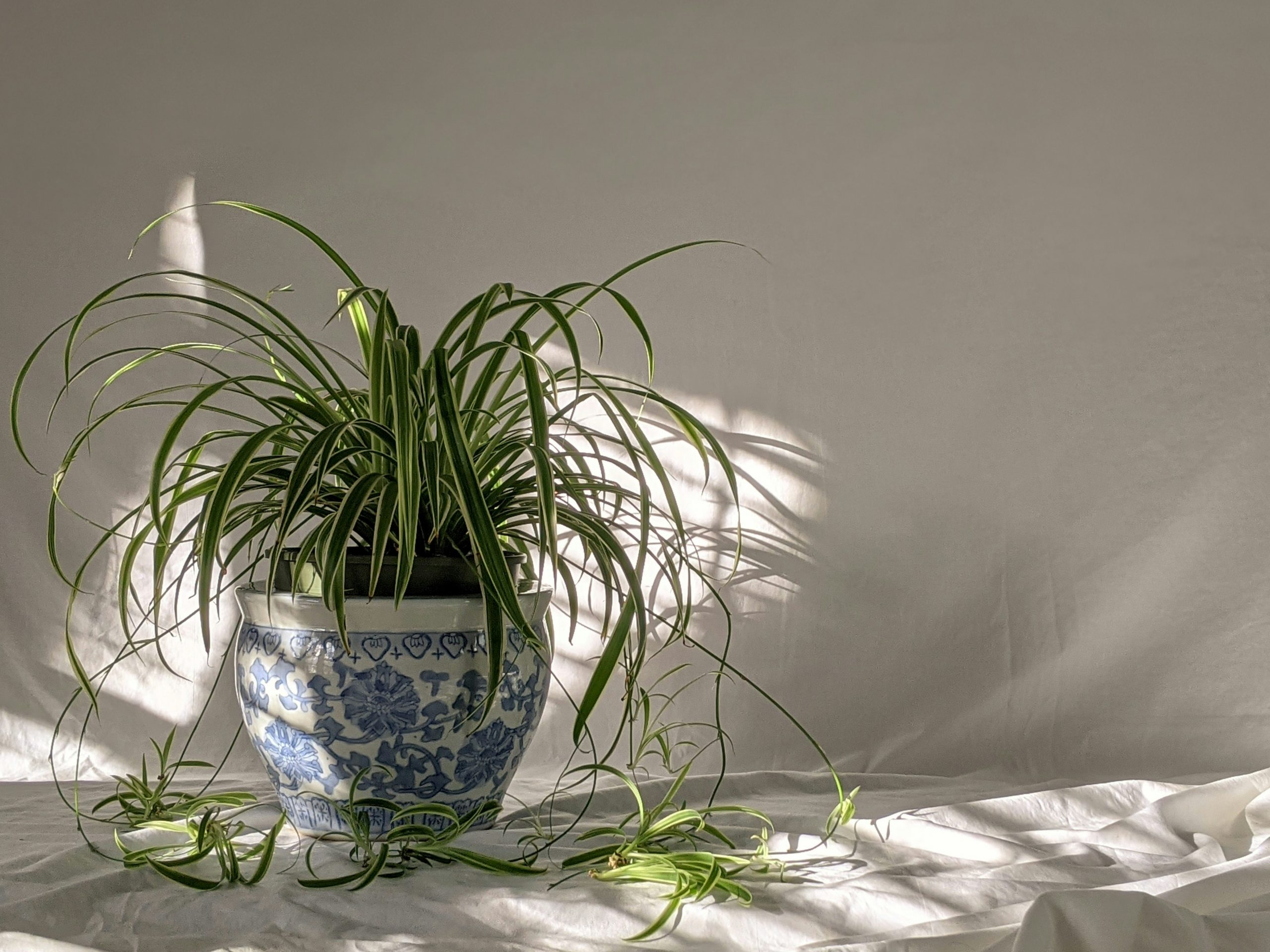
Photo: Unsplash
Monstera
Monsteras can also be propagated in water, making this a particularly attractive option if you have an established plant that needs pruning. Take a healthy stem cutting containing at least one node and place the node in water, making sure the leaves remain above the surface. Within several weeks, depending on the plant and conditions, you should begin to see roots developing from the node.
Once the cutting has produced a healthy root system, you can either transfer it to potting mix or continue growing it in water. If you choose the latter, remember that plain water alone isn’t enough for indefinite growth. A suitable hydroponic fertiliser will be needed to provide the nutrients the plant would normally obtain from its growing medium. Monsteras also need plenty of bright, indirect light to maintain strong growth.
Best for: Statement cuttings, larger displays and contemporary interiors.
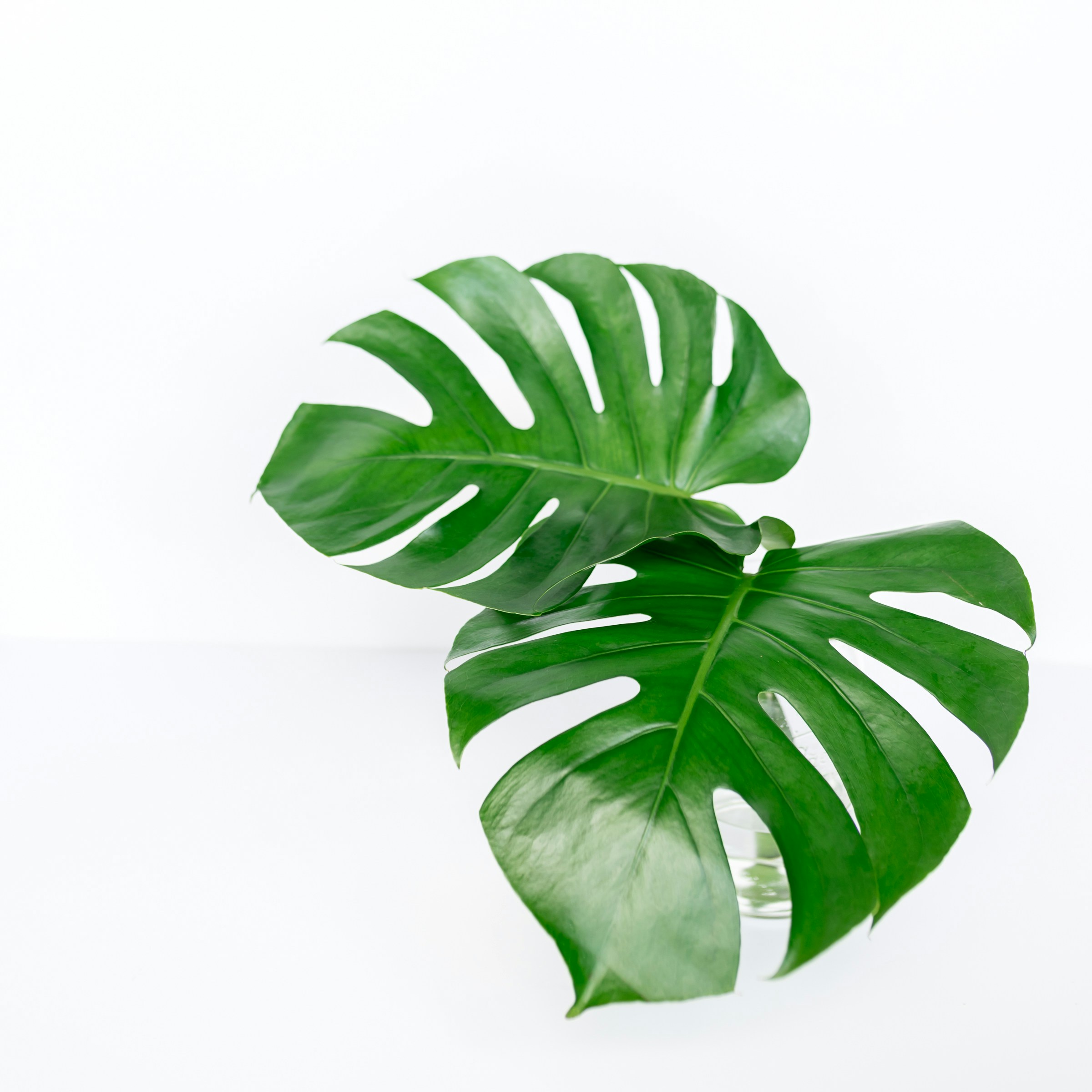
Photo: Unsplash
Peace lily
Peace lilies can be grown with their roots in water, although they require a little more attention than some of the tougher plants on this list. The important thing is to keep the foliage and crown of the plant above the water while allowing the roots to sit in it. The leaves should never be permanently submerged, as this can encourage decay.
Peace lilies prefer bright, indirect light and need a clean root environment. If you’re growing one in water permanently, it should receive suitable nutrients rather than being left in plain water indefinitely. Because peace lilies can grow into fairly substantial plants, make sure the container is stable enough to support the plant and large enough to accommodate its developing root system.
Best for: Humid rooms and elegant glass displays.
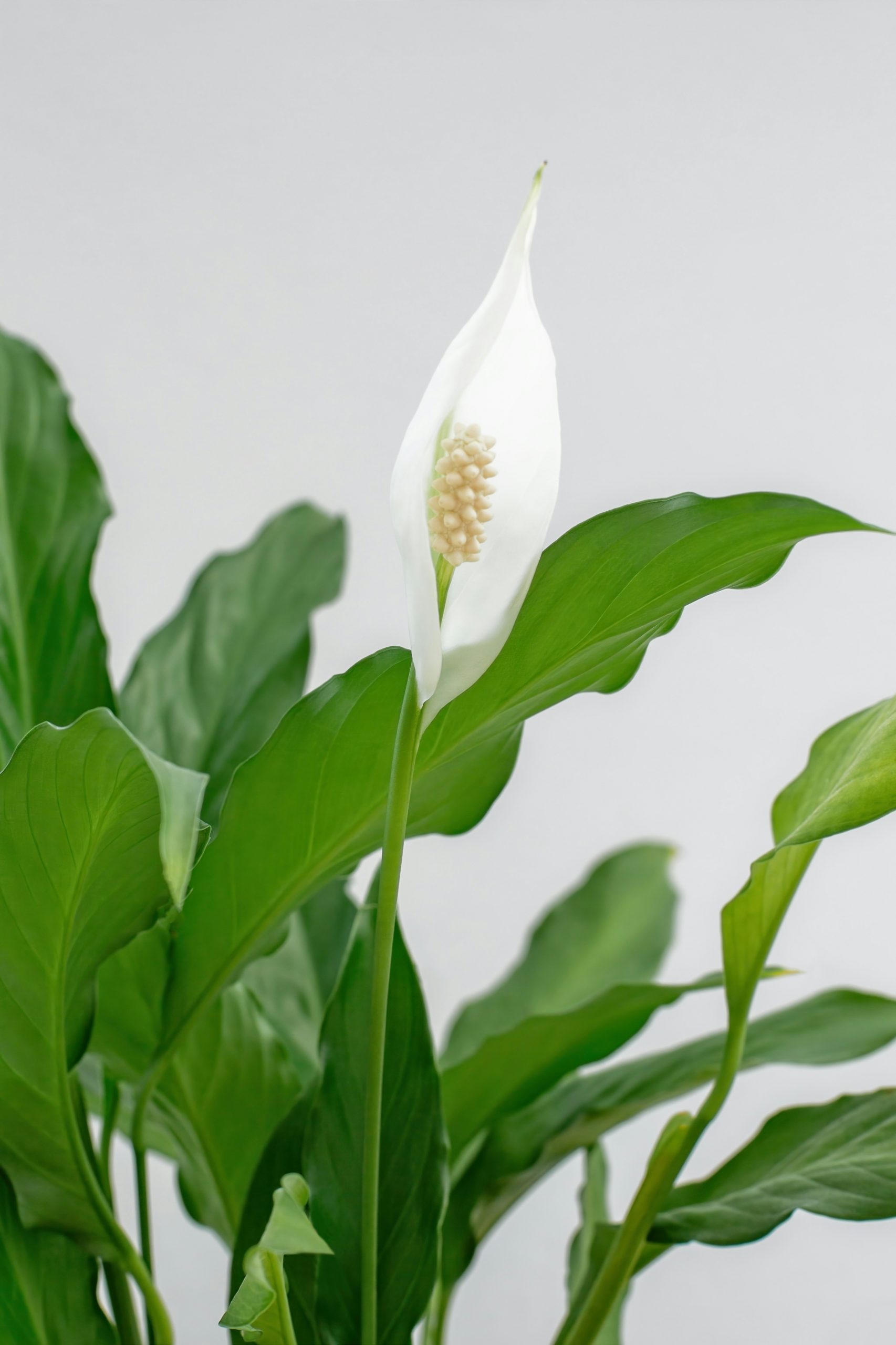
Photo: Unsplash
Tradescantia
Tradescantia is another prolific grower that roots readily from stem cuttings. Cut a healthy stem just below a node, remove any leaves that would sit underwater and place the stem into a clean glass of water. Roots can develop relatively quickly when the cutting receives sufficient light and the water remains fresh.
Its trailing habit makes Tradescantia especially attractive in water, as several cuttings can be placed together and allowed to spill over the edge of a glass container. Different varieties also offer colourful foliage, so this is a good choice if you want something a little more interesting than plain green leaves.
Best for: Colourful foliage, trailing displays and easy propagation.
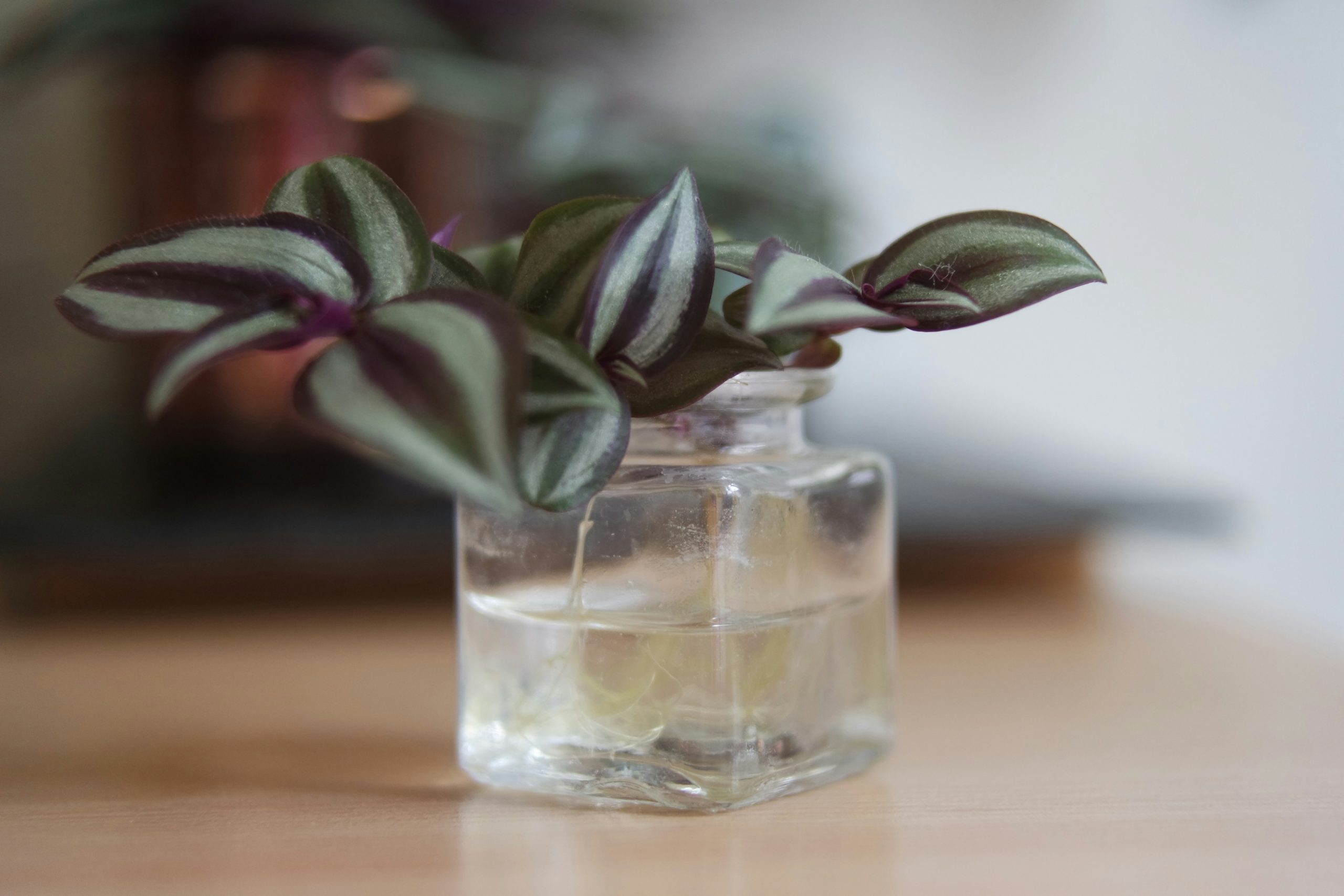
Photo: Unsplash
Chinese evergreen
Chinese evergreen, or Aglaonema, can also be propagated and grown in water. Its ability to tolerate lower indoor light levels makes it tempting for darker corners of the home, although “low light” doesn’t mean “no light”. Plants still need sufficient light to photosynthesise and produce healthy new growth, so a completely dark corner is not suitable.
Use a healthy stem cutting with a node and keep the leaves above the water. Once roots have formed, the cutting can be transferred to soil or maintained in water with suitable nutrients. Because Aglaonema is generally slower-growing than some of the plants above, don’t be concerned if it doesn’t produce new roots or leaves overnight.
Best for: Low-to-medium-light interiors.
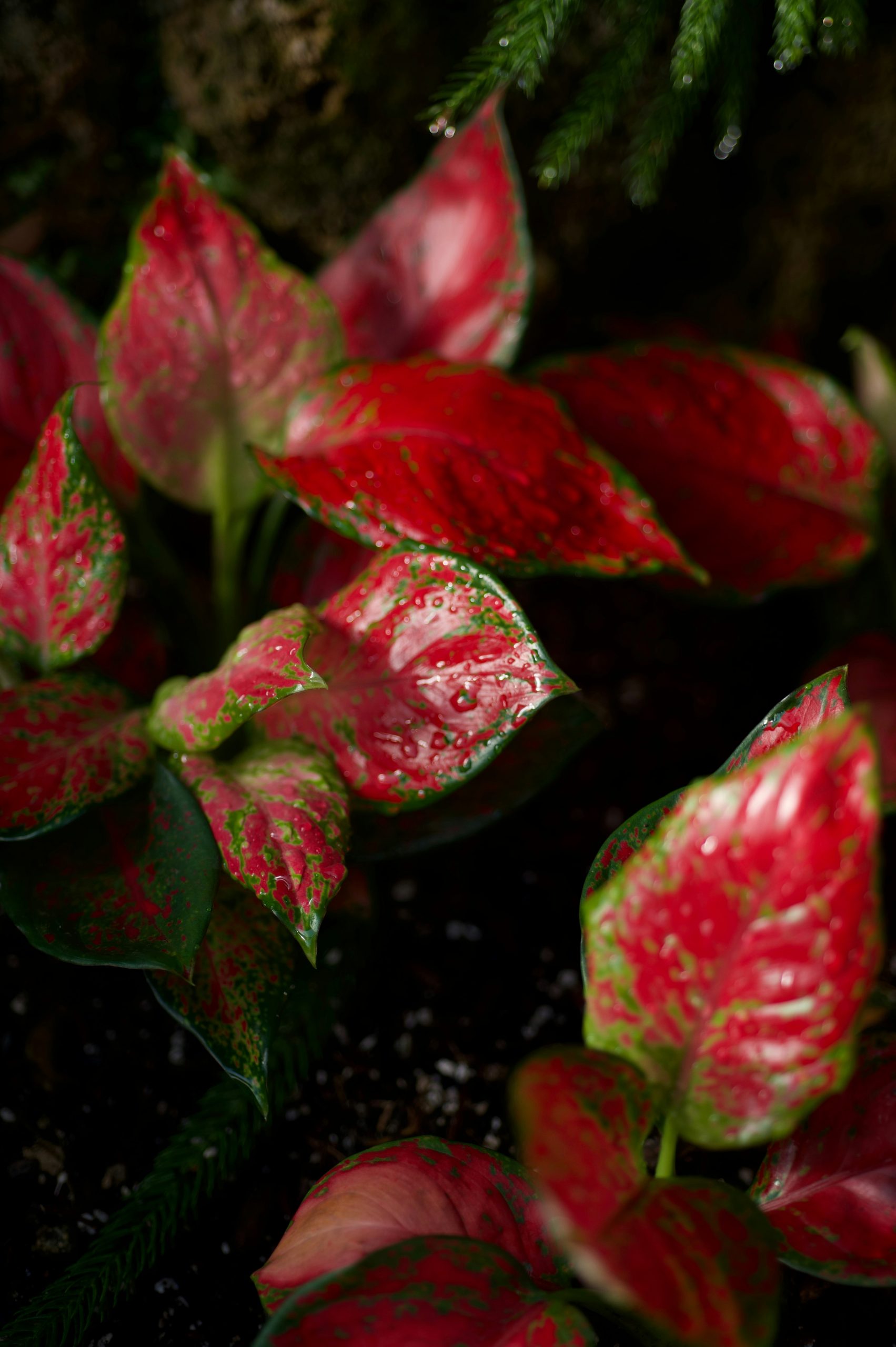
Photo: Unsplash
How to grow plants in water
Once you’ve chosen your plant, the process is surprisingly simple. Start with a healthy plant or cutting, preferably one that is actively growing and free from signs of disease or pests. If you’re taking a cutting, make your cut just below a node, as this is where new roots are most likely to develop. Remove any lower leaves that would otherwise sit underwater, because submerged foliage can begin to decay and contaminate the water.
Next, choose a suitable container. A clean glass jar, bottle or vase works perfectly, and clear containers are particularly useful when you’re starting out because you can see how the roots are developing and spot problems early. Place the cutting in the container so that the node and developing roots are submerged but the leaves remain above the water. You don’t need to fill the entire container; the aim is to provide moisture to the roots without unnecessarily submerging the stem and foliage.
Position the plant somewhere with bright, indirect light. Avoid putting a glass container of roots in harsh, direct sunlight, particularly next to a hot window, as intense sunlight can heat the water and encourage algae growth. Once your cutting has established roots, keep an eye on the water level and quality. Top it up when necessary, but replace the water completely if it becomes cloudy, dirty or develops an unpleasant smell. The container should also be cleaned regularly to remove algae and any slimy build-up around the roots.
Do water-grown plants need fertiliser?
This is one of the most important things to understand if you want to grow plants in water for more than a few weeks. A cutting can initially survive on energy stored within the plant while it develops roots, which is why propagation in water is so successful. A mature plant, however, needs a regular supply of nutrients to produce new leaves, stems and roots.
For permanent water growing, use a water-soluble fertiliser formulated for hydroponic growing and follow the manufacturer’s dilution instructions. Hydroponic systems provide essential nutrients through the water rather than through soil, so the fertiliser needs to supply what the plant would normally obtain from its growing medium. Don’t assume that adding extra fertiliser will make a plant grow faster, either. Too much fertiliser can damage the roots and cause other problems.
If you’re only using water to propagate a cutting before planting it in soil, you generally don’t need to start fertilising immediately. Once the cutting has developed roots and is ready to become an established plant, you can decide whether to transfer it to potting mix or continue with water growing.
How often should you change the water?
There isn’t one universal schedule that works for every plant, container and indoor environment, but checking your water at least once a week is a good habit. Top it up when the level drops, and replace it completely if it becomes cloudy, dirty or starts to smell unpleasant. When changing the water, rinse the container and gently clean away any slimy residue.
Pay particular attention to the roots. Healthy roots should generally feel firm rather than slimy or mushy. If the water repeatedly becomes cloudy soon after changing it, or the roots appear to be deteriorating, look at the plant’s growing conditions rather than simply adding more water. Poor circulation, damaged roots, excess organic material and stagnant water can all contribute to problems.
What water should you use?
Ordinary tap water can work perfectly well for many houseplants, but water quality varies from one area to another. Tap water may contain minerals and chemicals that some plants are more sensitive to, and certain plants can develop problems over time depending on the quality of the water they’re receiving.
If your water-grown plants repeatedly develop brown leaf tips despite otherwise good care, water quality is one factor worth considering. Filtered water or rainwater may be useful for sensitive plants, provided it is collected and stored hygienically. If you’re using rainwater, avoid water that has been sitting in an unclean container for long periods, as you don’t want to introduce contaminants into an otherwise clean growing environment.
Why are my plant’s roots turning brown?
Brown roots aren’t automatically a disaster, particularly because root colour varies between plant species. What is more concerning is when the roots become soft, slimy, mushy or foul-smelling. These can be signs that the root environment isn’t healthy.
If you notice deteriorating roots, remove the plant from the container and gently rinse the roots with clean water. Using clean scissors, remove sections that are clearly damaged or mushy, then thoroughly clean the container before replacing the water. Check that the plant isn’t sitting in unnecessarily deep water and that the foliage and stem aren’t submerged. It is also worth checking the amount of light the plant receives and whether you’re changing the water often enough.
Remember that roots need oxygen as well as water. This is one reason why simply leaving roots in stagnant water and continually topping it up isn’t always successful in the long term. Proper hydroponic systems are designed to provide plants with water, nutrients and sufficient oxygen around the roots.
How to stop algae growing in the water
A little green algae can appear surprisingly quickly when roots are sitting in a clear glass container, particularly if the container receives plenty of light. While a small amount isn’t necessarily disastrous, heavy algae growth can make the water unpleasant and may compete with the plant for nutrients.
The easiest way to keep it under control is to clean the container regularly and avoid placing the water-filled container in strong direct sunlight. If algae becomes a persistent problem, an opaque or darker container can help reduce the amount of light reaching the water. You can also remove decorative stones and rinse them whenever you clean the container, as algae can collect on these surfaces too.
Can you grow plants in water forever?
Some plants can be grown in water for the long term, but not every houseplant will thrive this way indefinitely. This is where the difference between water propagation and hydroponic growing becomes particularly important.
A cutting sitting in a jar of water can look perfectly healthy for weeks or even months because it is using stored energy while developing its roots. Long-term growth is different. Once the plant is actively producing new foliage, it needs a reliable source of nutrients as well as water, light and oxygen. A proper hydroponic setup provides these nutrients through a carefully prepared solution.
So, if your pothos has been happily sitting in a glass of water for months, that’s great – but don’t assume that every plant can simply be transferred from potting mix to a vase of plain water and expected to thrive. Some plants are much better suited to water propagation than permanent water growing.
Water-grown plants vs propagated cuttings
The terms can sound interchangeable, but there is an important distinction. Water propagation means using water as a temporary growing medium to encourage a cutting to develop roots before transferring it to soil. Growing a plant in water, meanwhile, means keeping the plant in a water-based environment as its primary growing medium over the long term.
Water propagation is generally the easier option. You can take a suitable cutting, place the node in clean water and wait for roots to develop before planting it in potting mix. This is particularly useful for pothos, philodendrons, monstera, Tradescantia and spider plant babies.
If you want to keep the plant in water permanently, you’ll need to pay much closer attention to nutrients, water quality, oxygen around the roots and the overall size of the plant. This is essentially a simple form of hydroponic growing, even if your version is nothing more complicated than a vase on a windowsill.
Common mistakes to avoid
One of the easiest mistakes is submerging the leaves. Keep the roots and, when propagating, the relevant node underwater, but leave foliage above the surface. Submerged leaves and stems can decay and quickly affect the quality of the water.
Another common problem is using a dirty container or allowing water to become stagnant. A beautiful glass vase still needs regular cleaning, particularly when roots, algae and plant debris are involved. Similarly, don’t keep topping up increasingly cloudy water. If it looks dirty, replace it.
Forgetting nutrients is another big one. Water can provide moisture, but plain water doesn’t contain everything a mature plant needs for healthy long-term growth. If your plant has developed a strong root system and you’re keeping it in water permanently, use a suitable hydroponic fertiliser according to the manufacturer’s instructions.
Finally, don’t assume that every plant will work. Some houseplants simply perform better in potting mix, while others are excellent candidates for water propagation but less suited to permanent water growing. Start with easy options such as pothos, heartleaf philodendron or lucky bamboo before moving on to more demanding plants.
The easiest way to start
If you’re new to growing indoor plants without soil, you don’t need an elaborate hydroponic system to begin. Take a few healthy cuttings from a pothos, philodendron or monstera, place them in clean glass jars and position them somewhere with bright, indirect light. Keep the leaves above the water, change the water when necessary and watch the roots develop.
Once you’ve mastered the basics, you can experiment with keeping suitable plants in water for longer periods and introduce a diluted hydroponic fertiliser to support continued growth. It is an easy way to add greenery to shelves, desks and small spaces – and, unlike traditional houseplant care, there is no bag of potting soil required.
ALSO SEE: Best indoor plants for low-humidity homes
