
 Bianca Muller
Yellow leaves, slow growth and pale foliage can all indicate that your plants are not getting enough nitrogen. However, these symptoms can also point to other problems, so knowing what to look for can help you avoid applying the wrong treatment.
Nitrogen is an essential plant nutrient that supports leaf development, stem growth and chlorophyll production. Without enough of it, plants struggle to grow vigorously and maintain their healthy green colour.
5 signs of nitrogen deficiency in plants
1. Older leaves turn yellow
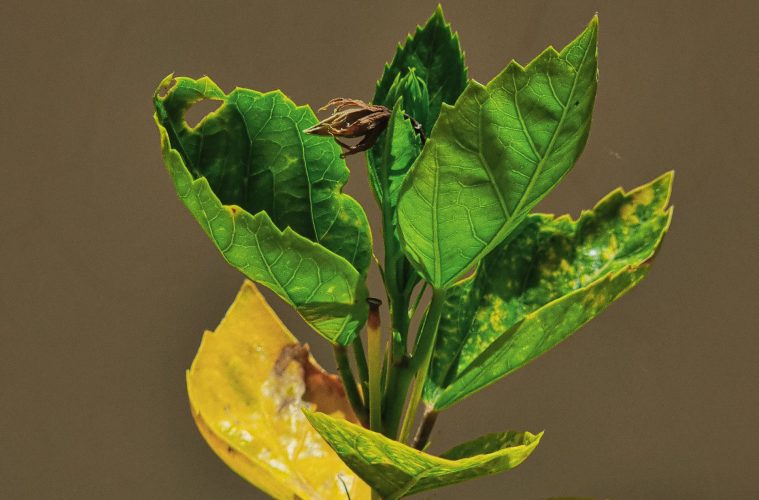
One of the clearest signs of nitrogen deficiency is yellowing that starts on the older, lower leaves while younger leaves remain relatively green.
Nitrogen is a mobile nutrient, meaning plants can move it from older leaves to newer growth when supplies are limited. As a result, older foliage gradually loses its green colour.
2. Growth slows down
Nitrogen-deficient plants may develop smaller leaves, shorter stems and fewer new shoots. If your plant seems to have stopped growing despite receiving sufficient light and water, a nutrient deficiency could be the cause.
Compare its growth with that of a healthy plant of the same species, as some plants naturally grow more slowly than others.
3. Leaves look pale
Healthy foliage varies in colour depending on the plant, but nitrogen deficiency can cause leaves to appear unusually pale green or yellow.
As the deficiency becomes more severe, the discolouration may spread across the plant. Look at the overall pattern rather than judging a single leaf, particularly if your plant naturally has variegated or light-coloured foliage.
4. Leaves die and fall off
If nitrogen deficiency continues, yellowed leaves may eventually turn brown, dry out and drop prematurely.
Leaf loss is not exclusive to nitrogen deficiency, though. Drought, waterlogged soil, root damage and disease can cause similar symptoms, so check the plant’s growing conditions before deciding how to treat it.
5. Vegetable plants produce less
Nitrogen supports leafy growth, making it particularly important for vegetables such as lettuce, spinach and cabbage.
A deficiency can result in smaller leaves, weaker plants and reduced yields. However, poor harvests can also result from insufficient sunlight, pests, disease and inconsistent watering.
What else causes yellow leaves?
Yellowing does not always mean your plant needs nitrogen. The location and pattern of the discolouration can offer useful clues.
- Older leaves turn uniformly yellow: Nitrogen deficiency is one possibility.
- Young leaves turn yellow while their veins remain green: Iron deficiency or a problem with nutrient availability may be responsible.
- Yellow patches develop between the veins of older leaves: Magnesium deficiency is another possibility.
- Leaf edges turn brown: Potassium deficiency, watering stress or other problems may be involved.
- Leaves yellow while the soil remains wet: Poor drainage or unhealthy roots may be preventing the plant from absorbing nutrients properly.
These are general guidelines rather than definitive diagnoses. Several problems can occur simultaneously, and symptoms vary between plant species.
What causes nitrogen deficiency?
Plants may not receive enough nitrogen for several reasons:
- Poor soil: The growing medium may contain insufficient available nitrogen.
- Heavy rain or frequent watering: Soluble nitrogen can leach out of the root zone, particularly in sandy soils and containers.
- Depleted potting mix: Container plants have a limited supply of growing medium, and nutrients can become depleted over time.
- Unhealthy roots: Waterlogging, compaction and root damage can interfere with nutrient uptake.
- Fresh woody material: Micro-organisms breaking down high-carbon materials, such as sawdust, can temporarily tie up available nitrogen.
Identifying the underlying cause will help you decide whether your plant needs additional nutrients or a change in its growing conditions.
How to treat nitrogen deficiency in plants
1. Add mature compost. Well-made compost improves soil structure and contributes nutrients as it decomposes. However, its nitrogen content varies, so it may not correct a severe deficiency quickly.
2. Apply a suitable fertiliser. Choose a product appropriate for your plant and follow the recommended application rate. The first number in the N-P-K ratio on fertiliser packaging represents nitrogen.
3. Check drainage. Keep the soil appropriately moist for the species, but avoid waterlogging. Roots need oxygen to function properly and absorb nutrients.
4. Monitor new growth. Look for healthier leaves and renewed growth after addressing the problem. Already yellowed leaves may not regain their original colour, so new growth is a better indication of recovery.
Avoid applying extra fertiliser simply because a plant looks unhealthy. Too much nitrogen can encourage excessive leafy growth, affect flowering and fruit production in some plants, and contribute to nutrient pollution.
When should you test your soil?
If symptoms persist or return after treatment, consider having your soil tested. A test can help identify nutrient imbalances and pH problems that may affect nitrogen availability.
For container plants, check the age of the potting mix, drainage and fertilising history too. If the symptoms remain unclear, a horticulturist or plant diagnostic laboratory may be able to help.
ALSO SEE: How to identify and naturally get rid of mole crickets
Feature image: Pexels
