
 Jade Mcgee
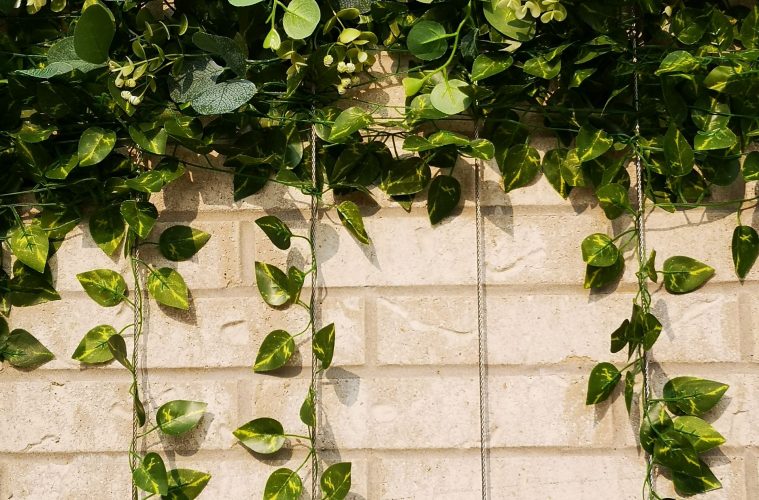
A wall of trailing and climbing foliage can bring a generous sense of green into even a modest room. Philodendrons are especially well suited to this kind of display because many varieties climb naturally and can be guided along a frame. Before planting, however, it is worth treating a living wall as a small building project rather than a collection of pretty pots.
Choose the right location first
Most popular climbing philodendrons prefer bright, indirect light. An east-facing window may offer mild morning sun, while an area near a bright north-facing window can work if harsh direct rays are filtered. Outdoors, choose a sheltered position with dappled light and protection from wind. Many philodendrons are sensitive to frost, so an outdoor installation is best reserved for suitable frost-free microclimates.
The site should be accessible for watering, pruning and cleaning. A narrow passage that looks beautiful in photographs may be frustrating when leaves spill into the walkway.
Protect the wall from moisture
Water and buildings need to be kept apart. A damp growing medium pressed against ordinary interior plaster can encourage staining and mould. Use sealed, moisture-resistant backing and include a way to catch and remove drainage water. Do not rely on paint alone as waterproofing.
Weight matters too. Pots, growing medium, support frames and water quickly add up. Secure trellises to appropriate structural fixings, and consult a professional for large installations or uncertain wall construction. A lightweight freestanding frame can be a more flexible option for rented homes.
Pick a manageable growing system
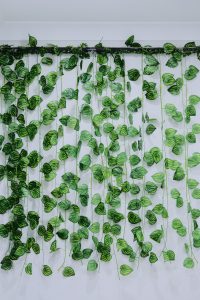
A sturdy trellis positioned above individual pots is often the simplest starting point. Vines can be trained up the frame while each container remains easy to inspect and water. Modular pockets can produce more immediate coverage, but they need carefully designed irrigation and drainage. Moss-backed installations create a lush surface yet may dry quickly and require more regular attention.
Start with only a few plants and allow the display to fill in. Packing the wall too tightly makes airflow, pest checks and pruning harder. If using a climbing support, guide stems gently and attach them with soft plant ties that do not cut into growth.
Combine philodendrons with different textures
Heartleaf philodendron, Philodendron hederaceum, offers glossy trailing leaves that readily follow a support. Velvet-leaved forms commonly sold as Philodendron micans provide a softer texture, while variegated heartleaf types introduce a little contrast. Upright or crawling species have different habits, so they are often better placed in pots at the base rather than forced up a tall trellis.
Allow room for mature leaves and remember that philodendrons can be toxic if chewed by children or pets. Keep the wall away from places where plants may be eaten.
Maintain a living wall without the mess
Check each container for moisture instead of watering every pocket automatically. A loose, free-draining mix helps keep roots healthy; fertilise modestly during active growth and trim leggy vines when necessary. Propagated cuttings can eventually fill gaps. Inspect the undersides of leaves for pests and remove fallen foliage before it collects behind the frame.
A good living wall is not the one planted most densely on day one. It is the one that stays healthy, accessible and structurally sound as it grows.
ALSO SEE:
Featured Image: Pexels
