

 Bianca Muller
If your flower beds are looking a little flat, snapdragons might be just what they need. Their tall stems are lined with colourful, dragon-shaped blooms that seem to snap their mouths open when gently squeezed. Available in an impressive range of colours and heights, they’re equally at home in a cottage garden or a few pots on the patio. The trick is knowing when to plant them and how to keep them flowering for longer.
Known botanically as Antirrhinum majus, snapdragons are popular for their long-lasting colour, versatility and ability to brighten flower beds, borders and containers. They are particularly well suited to cooler growing conditions, making them a lovely choice for South African gardens during winter and spring. Their flowering season will depend on your region, planting time and the weather, but with the right care, these cheerful blooms can put on quite a show.
A flower with a little character
Snapdragons are native to the Mediterranean region and come in a remarkable variety of colours, including white, yellow, pink, red, orange and purple. Some varieties feature two-tone petals, while others have ruffled, almost rose-like blooms. Their flowers grow along upright stems, creating vertical interest that works beautifully alongside lower-growing annuals and leafy perennials.
The plants also come in different sizes. Compact varieties are ideal for pots, window boxes and the front of a flower bed, while taller cultivars make striking additions to cottage gardens and cutting gardens. They are particularly attractive when planted in generous groups, where their colourful flower spikes create a fuller display.
And if you enjoy bringing a little of the garden indoors, snapdragons are worth growing for the vase alone. Their tall stems lend themselves to relaxed, seasonal arrangements, whether displayed on a dining table or mixed with other garden flowers.
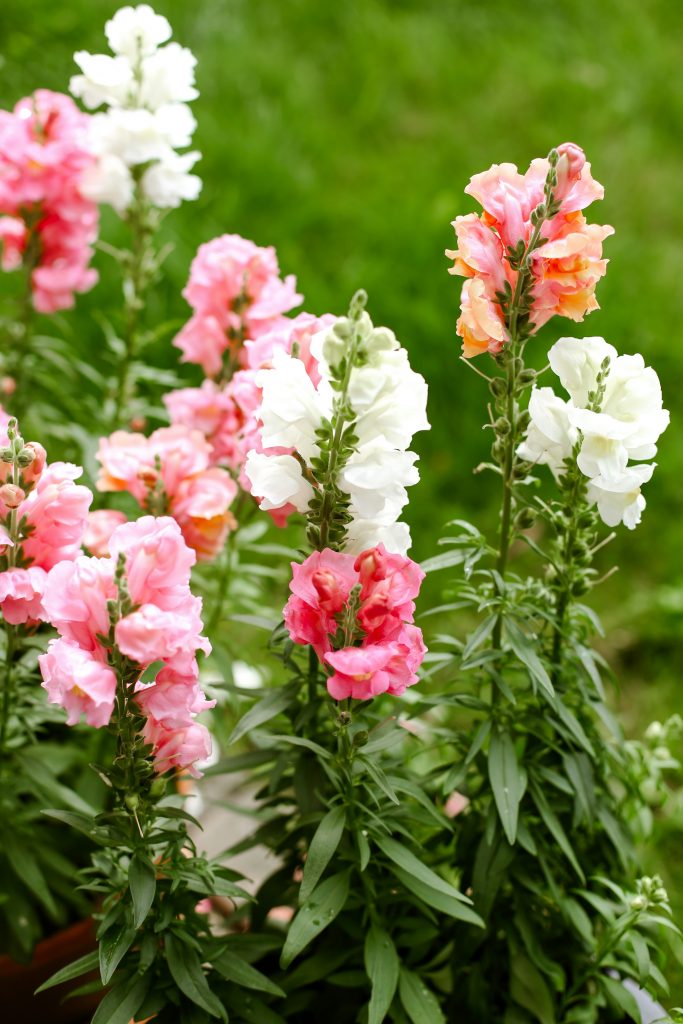
Photo: Unsplash
How to grow snapdragons in South Africa
Snapdragons are relatively straightforward to grow, provided you give them the conditions they prefer. They enjoy sunshine, fertile soil and regular moisture, but they are not particularly fond of intense heat.
Choose a sunny spot. Plant snapdragons where they will receive plenty of sunlight. A position with good light encourages strong growth and generous flowering. In particularly hot regions, some protection from the harshest afternoon sun can help plants cope with warmer conditions.
Prepare the soil. Well-drained soil is essential. Improve garden beds with compost before planting to support healthy growth, and make sure containers have drainage holes to prevent waterlogged roots.
Water consistently. Keep the soil evenly moist while plants establish themselves, then water when the upper layer of soil begins to dry. Avoid soaking the foliage unnecessarily, particularly in cool, damp weather, when fungal problems can develop.
Give them room to grow. Spacing depends on the variety, so check the seed packet or nursery label before planting. Dwarf varieties can be planted closer together, while taller types need more room for air circulation and may benefit from support in exposed gardens.
In South Africa, autumn is generally a good time to sow snapdragon seeds for winter and spring colour, although spring sowing is also possible. In warmer areas, aim for the cooler part of the growing season. Seedlings are widely available from nurseries if you would rather skip the process of growing them from seed.
One useful detail to remember is that snapdragon seeds need light to germinate. Sow them on the surface of a fine seed-starting mix and avoid burying them deeply. Keep the growing medium lightly moist while waiting for the seedlings to appear.
Keep the flowers coming
Once your snapdragons are established, a little regular attention can help extend their flowering display.
Remove faded flower spikes rather than leaving them on the plant. This process, known as deadheading, helps keep plants tidy and can encourage further flowering. If a plant becomes leggy or finishes its first flush of blooms, cutting back spent stems may also encourage fresh growth, depending on the variety and growing conditions.
A light application of a balanced fertiliser can support healthy flowering, particularly when plants are growing in containers or nutrient-poor soil. Follow the product instructions, though, as too much fertiliser can encourage leafy growth at the expense of flowers.
Keep an eye out for aphids, which may gather on young shoots and flower buds. Good air circulation and careful watering also help reduce the risk of common fungal diseases.
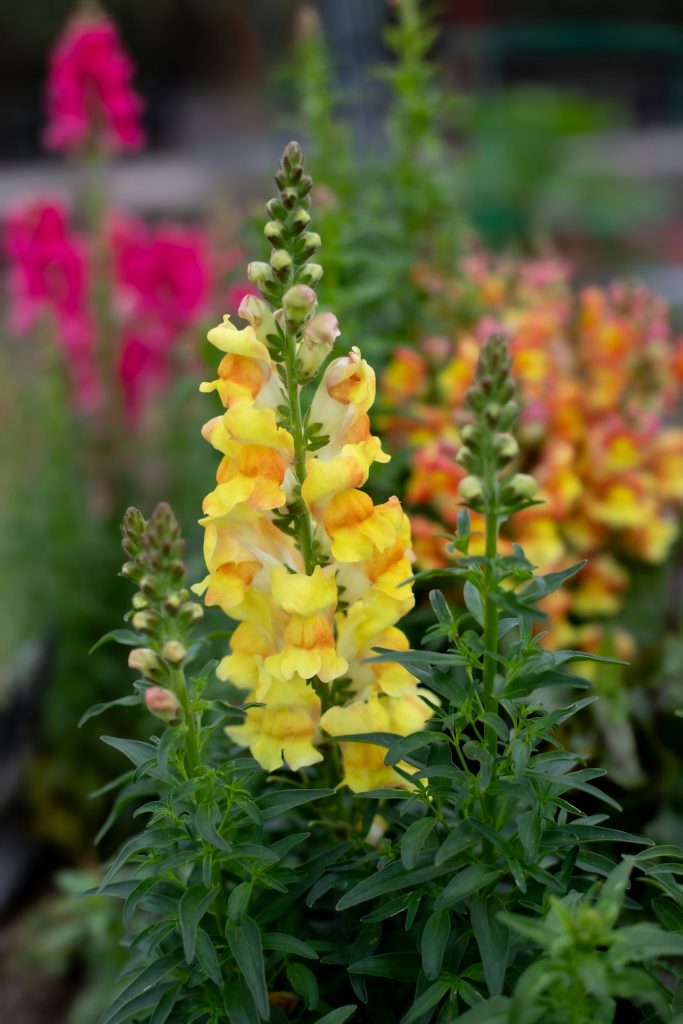
Photo: Unsplash
Which snapdragons should you plant?
The variety you choose will depend on the look you want to achieve.
For a colourful border, look for tall varieties such as the Rocket series, which produces upright stems suited to garden displays and cut flowers. If you prefer white blooms, ‘Royal Bride’ is a lovely option, with elegant flower spikes that work well in softer, more restrained planting schemes.
For smaller spaces, dwarf varieties such as ‘Tom Thumb’ are worth considering. Their compact growth makes them suitable for pots, edging and the front of flower beds. If you want something a little different, the Bells series produces more open-faced flowers in shades including pink, red, yellow, bronze and white.
Check the mature height before buying, especially if you plan to grow snapdragons in containers or combine them with other plants. A mix of heights and colours can create an informal, cottage-garden look without requiring a large space.
ALSO SEE: How to grow a thriving bougainvillea
Feature image: Unsplash
