
 Bianca Muller
When your favourite glasses start looking cloudy, even after they’ve been washed, it can be frustrating. Before you assume they’re destined for the back of the cupboard, it’s worth knowing that not all cloudiness is permanent. In many cases, it can be cleaned away with ingredients you probably already have at home.
Why do drinking glasses become cloudy?
That milky or hazy appearance usually comes down to one of two things: mineral deposits or etching.
If you live in a hard water area, minerals like calcium and magnesium can build up on your glasses over time. These deposits leave behind a white film that makes even the cleanest glass look dirty. Thankfully, this type of cloudiness is usually easy to remove.
The second cause is etching. Unlike mineral build-up, etching is permanent damage to the surface of the glass. It develops gradually after repeated exposure to high dishwasher temperatures, harsh detergents or a combination of both. The glass remains perfectly safe to use, but it won’t regain its original shine.
How to tell the difference
Before reaching for the vinegar, do a quick test.
Dip a soft cloth into white vinegar and rub a small section of the cloudy glass. If the haze disappears, you’re dealing with mineral deposits. If nothing changes, the cloudiness is likely caused by etching.
Knowing which one you’re dealing with can save a lot of unnecessary scrubbing.
How to clean cloudy drinking glasses
If mineral deposits are the culprit, these methods are worth trying.
White vinegar soak
White vinegar is one of the easiest and most effective solutions.
Mix equal parts warm water and white vinegar in a bowl or your sink, then leave the glasses to soak for around 20 to 30 minutes. Wipe them gently with a soft sponge or cloth before rinsing well and drying immediately with a lint-free cloth.
Baking soda paste
For more stubborn marks, combine baking soda with a little water to form a thick paste.
Apply it gently using a soft cloth and rub in small circular motions. Avoid abrasive scourers, which can scratch the glass. Rinse thoroughly once you’re done.
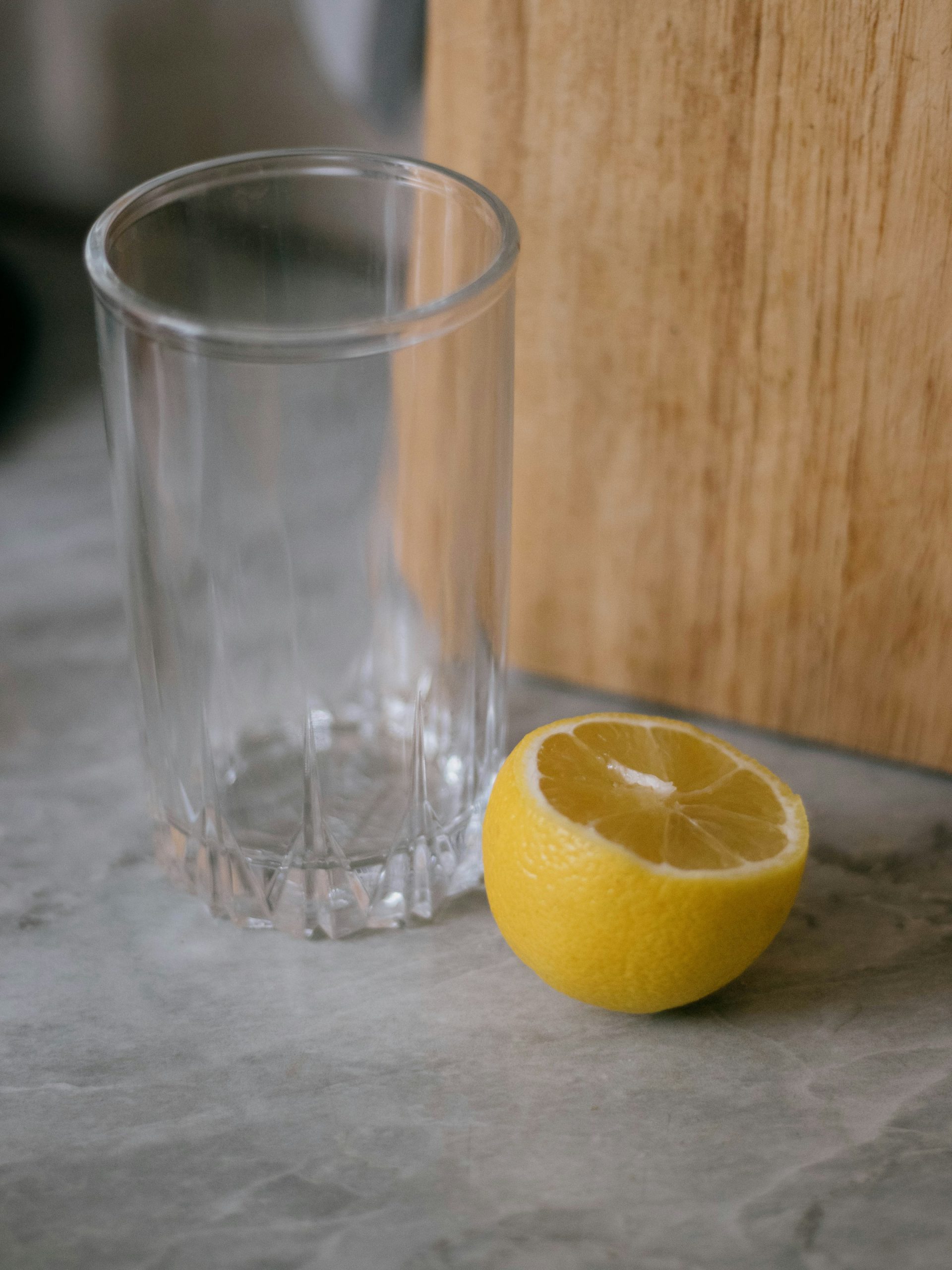
Photo: Unsplash
Fresh lemon juice
Lemon juice works in a similar way to vinegar thanks to its natural acidity.
Rub half a lemon over the cloudy areas or soak the glasses in warm water with freshly squeezed lemon juice for about 15 minutes before rinsing and drying.
How to stop glasses from turning cloudy
Once you’ve restored your glasses, a few small habits can help keep them sparkling.
- Dry glasses by hand with a microfibre cloth instead of letting them air dry.
- Use the correct amount of dishwasher detergent.
- Refill dishwasher salt and rinse aid when needed.
- Clean your dishwasher filter regularly.
- Avoid packing glasses too closely together in the dishwasher.
- Choose lower-temperature wash cycles for delicate glassware.
- Hand-wash special crystal or expensive glasses where possible.
When it’s time to accept the cloudiness
If your glasses have been etched, no amount of vinegar or polishing will restore them. The surface of the glass has been permanently altered, which means the cloudiness is there to stay.
The good news is that etched glasses are still completely safe to drink from. They simply lose some of their clarity over time.
ALSO SEE: Why you should be cleaning your toilet brush
Feature image: Unsplash
