
 Chumasande Matiwane
Wildflowers can transform any ordinary garden into a colourful, lively space filled with movement, fragrance, and wildlife.
They are often easier to grow than many traditional ornamental plants, and once established, some varieties can thrive with relatively little maintenance.
Whether you have a large backyard or a small garden bed, there are wildflowers to suit almost every growing environment. Wildflower gardens can feature flowers in different shades of colour, from yellow and orange to white, creating an informal display that changes throughout the growing season.
Cosmos
Excellent choices for gardeners who want tall, cheerful flowers with minimal fuss. The delicate, daisy-like blooms of cosmos flowers appear in shades of pink, white, and sometimes purple, with their feathery leaves adding texture to your garden.
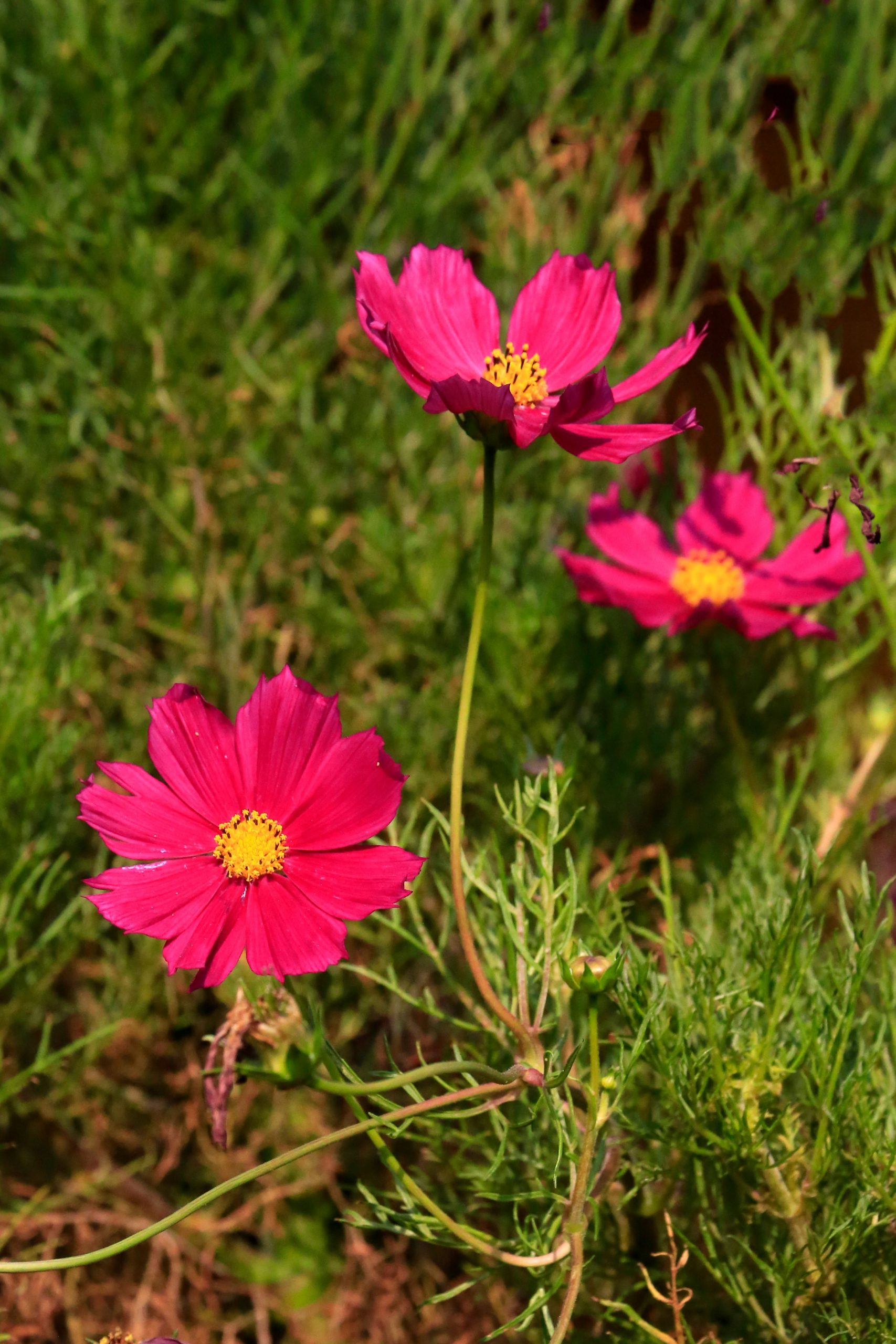
Image Credit: Pexels
Poppies
Poppies are famous for their brilliant orange flowers, although different varieties are also available in other colours. These wildflowers prefer plenty of sunlight and well-drained soil to create their bright splash of colour without demanding constant attention. Also, an attractive choice for pollinator-friendly gardens.
Cornflowers
Valued for their striking blue flowers and easy-growing nature. Cornflowers are particularly effective when planted in groups, where their vivid colour creates a strong visual impact, attracting bees and butterflies, making them a practical choice for a wildlife-friendly garden.
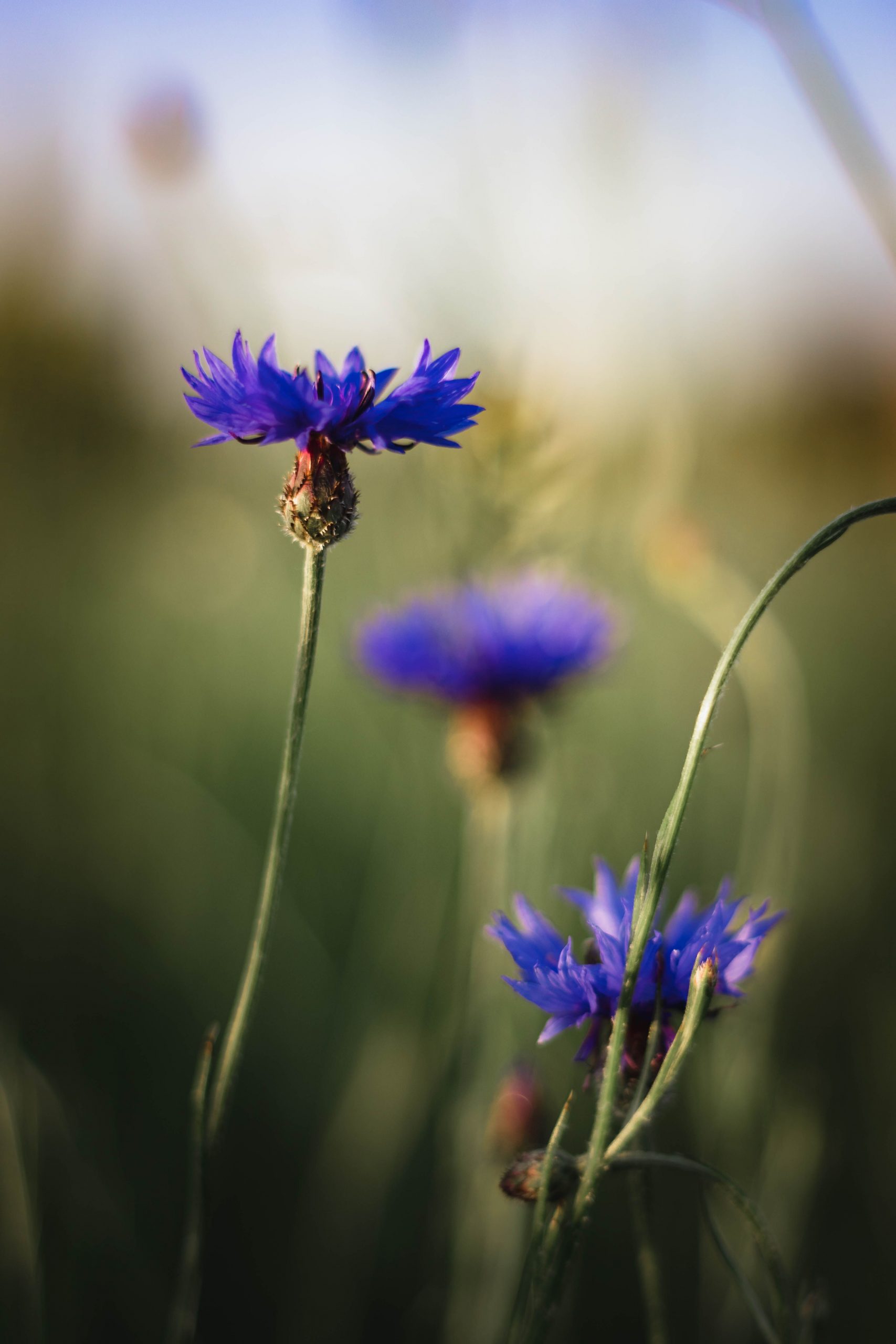
Image Credit: Pexels
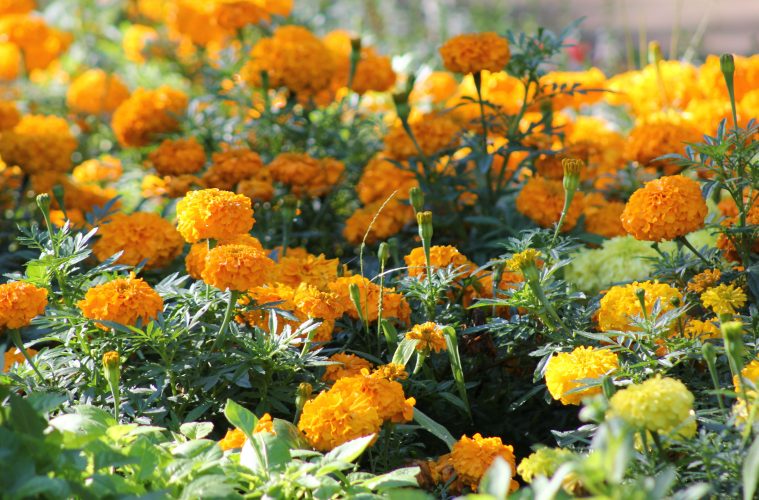
Marigolds
Familiar garden favourites that can also work beautifully in a wildflower-style planting. Their warm yellow, gold, and orange flowers provide a bright contrast to blue and purple blooms.
They are easy to grow in sunny conditions and can be planted among other flowers to create a colourful, informal display.
Sunflowers
Sunflowers are among the easiest wildflower-style plants to recognise. Their tall stems and large golden blooms can become a dramatic focal point in a garden. They are particularly valuable in wildlife-friendly spaces, as their flowers attract pollinators, and their mature seed heads can provide food for birds.
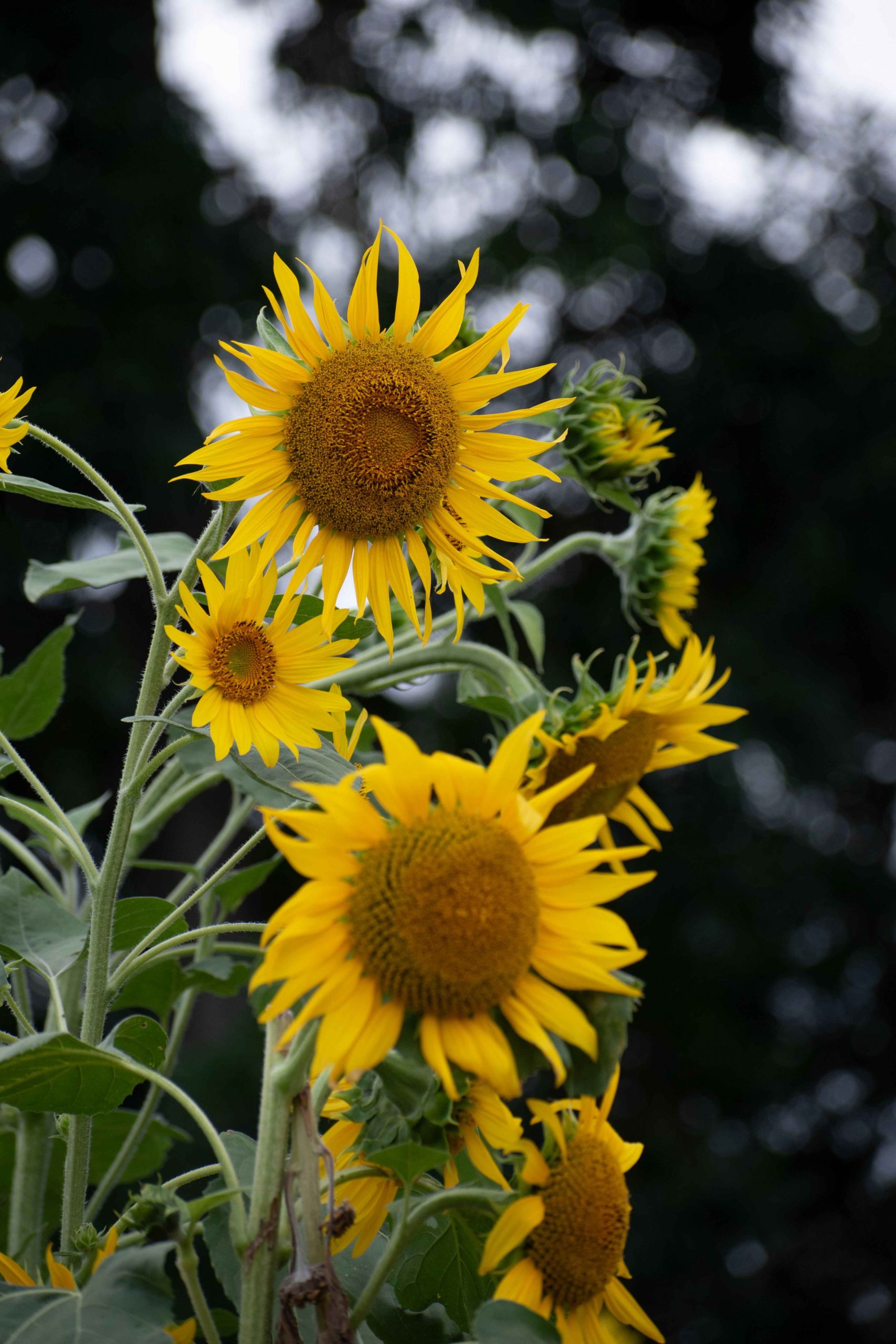
Image Credit: Pexels
The best wildflowers for your garden depend on your climate, soil, and the type of wildlife you hope to attract.
ALSO SEE:
Feature Image: Pexels
