
 Chumasande Matiwane
South Africa’s Cape fynbos is best known for its extraordinary biodiversity, but beyond the colourful landscapes and fragrant vegetation, some plants have traditionally been used as food, flavourings and beverages.
Foraging in fynbos can be rewarding, but it also requires care. Not every wild plant is edible; some species are protected, and plants growing near roads or areas treated with chemicals may be unsafe to consume.
Here are some edible fynbos plants to look out for.
Sour fig
Sour fig, also known as the Carpobrotus species and known as suurvy, is one of the better-known edible plants associated with the Cape fynbos family.
Its fleshy fruits develop after the plant flowers and have a sweet-sour flavour when ripe. The fruit can be eaten fresh or used to make preserves, jams and other products.
Although sour fig is widespread, correct identification is important because several related species occur in the region.
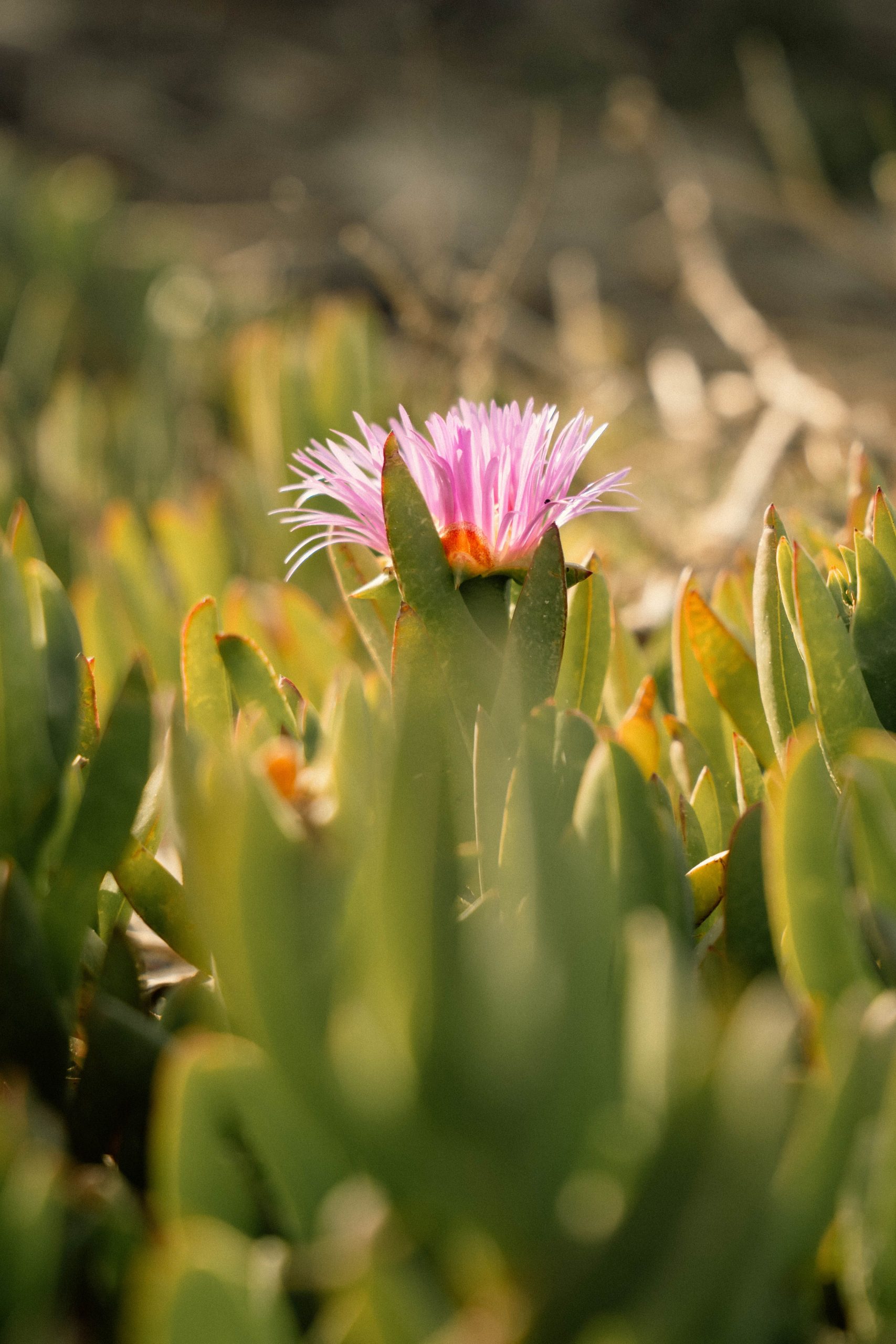
Image Credit: Pexels
Wild rosemary
Wild rosemary, referring to certain aromatic Cape plants, has traditionally been valued for its fragrance and culinary potential. Some indigenous aromatic plants can be used as herbal teas or flavourings, but preparation and dosage matter.
Buchu
These fynbos plants are among the best-known aromatic plants from the Cape Floristic Region.
Species such as round-leaf buchu (Agathosma betulina) and oval-leaf buchu (Agathosma crenulata) have a long history of traditional use. The strongly aromatic leaves are commonly associated with herbal infusions and flavouring. Buchu products are also commercially produced. However, “natural” does not automatically mean risk-free.
Image Credit: Pexels
Honeybush
Honeybush is perhaps one of the most commercially successful edible and drinkable plants associated with the Cape. The leaves and stems are harvested and processed to make honeybush tea, which is a naturally caffeine-free herbal infusion with a characteristic sweet, honey-like aroma.
Honeybush grows naturally in parts of the Eastern and Western Cape and is also cultivated commercially.
Fynbos offers an incredible connection to the Cape’s natural and cultural heritage. Exploring its edible plants can be fascinating, yes, but the safest approach is to identify first, harvest responsibly and eat only what you can confidently identify as edible.
ALSO SEE:
Feature Image: Pexels
