
 Jade Mcgee
Walk into someone’s home and you immediately know whether they’ve curated it or accumulated it. Cluttercore sits in the interesting middle ground between the two, and it’s capturing attention for good reason. Unlike the bare-walls-and-concrete minimalism that dominated design conversations for much of the last decade, cluttercore leans into the layered, the collected and the personal.
But calling it clutter is something of a misnomer.
Defining the trend
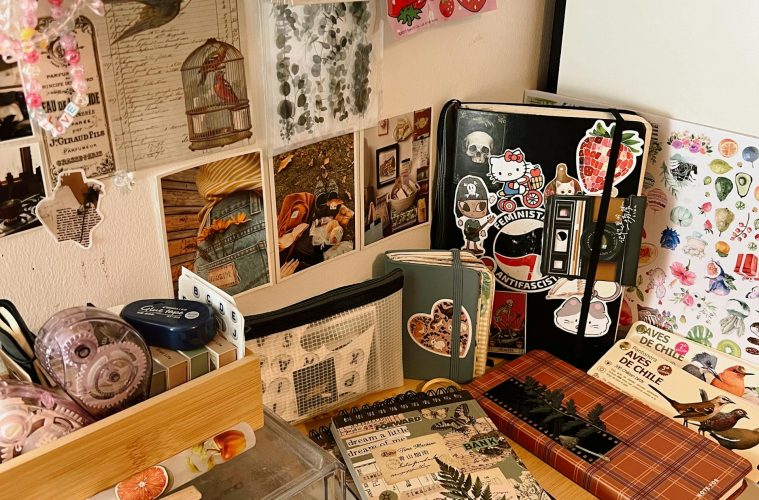
Cluttercore is intentional maximalism. It’s the aesthetic of someone who has filled their shelves with objects that mean something, stacked their books by colour and affection rather than alphabetical logic, and draped textiles over furniture because they love how they look together. Every surface tells a story, and that is precisely the point.
It is not, however, the aesthetic of chaos. Cluttercore done well is thoughtful. The person who has mastered it has made deliberate decisions about what stays and what goes. The difference between a cluttercore living room and a simply messy one comes down to intention and a few key styling principles.
Why it resonates right now
Cluttercore is gaining momentum at a time when many people are tired of interiors that look designed to impress an algorithm rather than to be lived in. There is something deeply appealing about a home that reflects its occupants, one where you can see the evidence of their travel, their reading habits and their aesthetic sensibilities all at once.
The trend connects to a broader turn toward the grandmillennial, the heritage modern and the nostalgic, all of which embrace the idea that older objects, meaningful collections and layered spaces are not things to be hidden but celebrated.
How to style it without it looking chaotic
The key to pulling off cluttercore is grouping and restraint. Grouping means arranging objects with some intentional logic: by colour, by material, by memory, by scale. A collection of blue and white ceramics, a shelf of art books lined with a small plant and a framed photograph, a mantelpiece of objects gathered from different years of a life, all of these read as cluttercore when arranged with care.
Restraint means leaving pockets of visual breathing room. A quiet corner, a clear tabletop, a single-colour rug anchoring a busy shelf wall, these give the eye a place to rest and prevent the whole space from tipping into overwhelm.
Display only what you genuinely love
The discipline of cluttercore is that it demands honesty about what you actually treasure. Objects held onto out of obligation or guilt have no place in this aesthetic. When everything displayed carries some meaning or craftsmanship, the space coheres even at high visual volume.
This might mean editing ruthlessly before you begin. The items that make the cut should be the ones you’d reach for first if the shelf had to be cleared in a hurry.
Think about scale and texture
Within each arrangement, mixing heights and textures creates visual rhythm rather than static density. A tall vase next to a small figurine next to a stack of books reads as intentional. Three items of identical height side by side is just three items.
Textiles play a major role here. Layered cushions, throws, rugs and draped fabrics all contribute to the warmth that cluttercore creates, softening the harder lines of furniture and shelving.
Make your most meaningful pieces the focal points
Within any cluttercore arrangement, there should be something that draws the eye first. Whether it’s an inherited piece, a work of art or simply the most visually striking item in the collection, giving it prominence anchors the composition and signals to the viewer where to begin.
The surrounding objects support rather than compete with the focal piece.
Related aesthetics worth exploring
Those drawn to cluttercore might also find themselves interested in grandmillennial style, which shares its love of layering but leans harder into florals, chintz, pattern mixing and traditional detailing. Heritage modern is another adjacent trend, pairing antique and handcrafted objects with cleaner contemporary architecture for a balance between old-world character and modern restraint.
Cluttercore simply gives permission to stop apologising for the things you love and start putting them on display.
ALSO SEE:
Featured Image: Pexels
