
 Chumasande Matiwane
Carnivorous plants are fascinating additions to any garden or home. With their unique adaptations for trapping and digesting prey, they require specific care to thrive, especially when it comes to watering. Carnivorous plants have specific watering needs that are quite different from those of typical houseplants. Getting it right is one of the most important factors in keeping them alive.
Below is a clear guide on how to water them properly.
Understanding why watering matters
Carnivorous plants evolved in habitats like peat bogs and sandy wetlands where water is abundant, but nutrients are scarce. To survive, they adapted to “catching” insects instead of absorbing minerals from the soil.
- Type of water matters:
Carnivorous plants thrive in nutrient-poor environments, so it’s crucial to use the right type of water. Always opt for distilled water, rainwater, or reverse osmosis water. Tap water contains minerals and chemicals that can harm these delicate plants.
- Humidity levels:
Many carnivorous plants come from humid environments, so maintaining proper humidity is essential. If you live in a dry climate, consider using a humidity tray or a terrarium to provide a suitable environment.
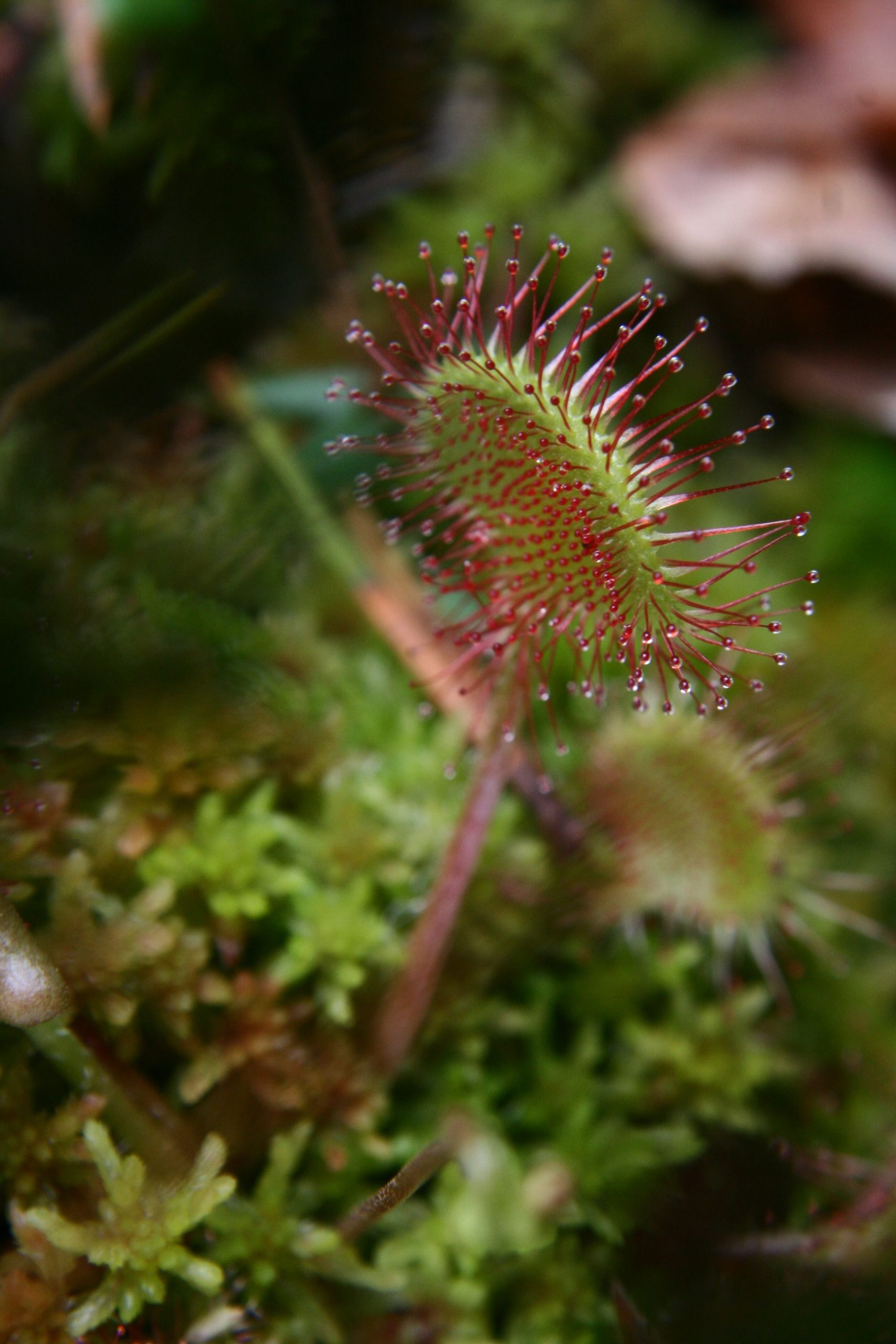
Image Credit: Pexels
Watering methods that work best
- Top watering:
For most carnivorous plants, top watering is effective. You just gently pour water directly onto the soil until it is thoroughly moistened. Avoid letting the plant sit in water, as this can lead to root rot.
- Bottom watering:
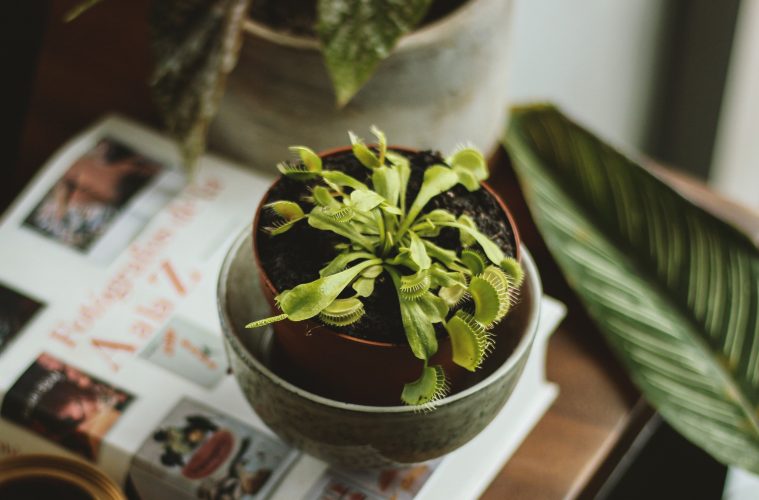
Another easy method is bottom watering. Place the pot in a tray of water and let the soil absorb moisture from the bottom. This technique is particularly useful for plants like Venus’s flytraps and sundews, which prefer consistently moist soil.
- Frequency of watering:
The frequency of watering depends on the carnivorous plant type, the size of the pot, and the environmental conditions. Generally, check the soil moisture once a week. If the top inch of the soil feels dry, it’s time to water.
Common mistakes to avoid
- Using tap water
- Letting the soil dry out completely
- Using regular potting soil
- Overwatering
Caring for carnivorous plants is rewarding, and understanding their watering needs is key to their success. By using the right type of water, employing effective watering techniques, and paying attention to their signs, you can create a thriving environment for these unique plants.
ALSO SEE:
Feature Image: Pexels
