
 Bianca Muller
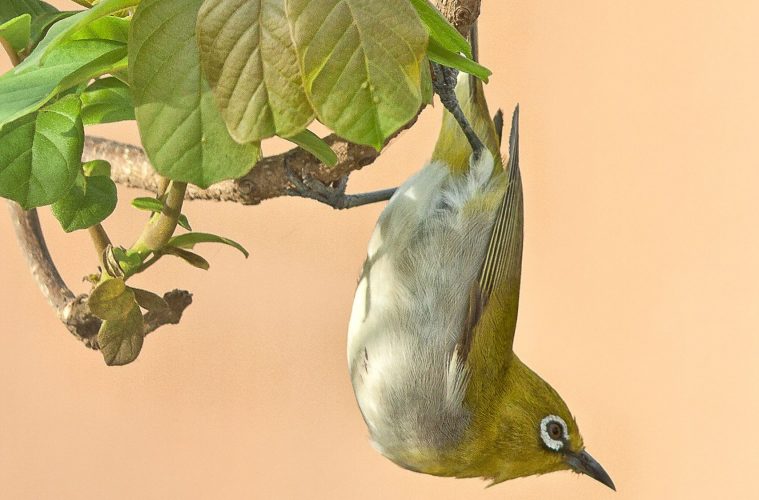
If you’ve ever spotted a small olive-green bird darting through your garden, chances are you’ve met a Cape White-Eye. Known affectionately as the “glasogie” in Afrikaans thanks to the distinctive white ring around its eyes, this cheerful little bird is one of South Africa’s most common garden visitors.
But where do they come from, what do they eat, and should gardeners be worried when they show up?
What is a Cape White-Eye?
The Cape White-Eye (Zosterops virens) is a tiny bird measuring only around 11 to 12cm in length. Despite its small size, it’s easy to recognise thanks to its bright white eye-ring, olive-green back, grey chest, and yellow throat and underparts. They are highly social birds and are often seen in pairs or small flocks moving through trees and shrubs together. Their constant chattering and melodic calls are often the first clue that they’re nearby.
Where are they found?
Cape White-Eyes are widespread across most of South Africa and can be found in a variety of habitats, including:
- Suburban gardens
- Parks
- Fynbos areas
- Forests
- Riverine vegetation
- Orchards
- Coastal thickets
They are particularly common in gardens with plenty of trees, flowering plants, and natural food sources.
What do Cape White-Eyes eat?
These birds aren’t fussy eaters. Their diet includes:
- Small insects
- Aphids
- Spiders
- Caterpillars
- Nectar
- Soft fruits
- Flower petals
In fact, insects make up an important part of their diet, especially during breeding season when they need extra protein. They are also known to visit nectar-rich flowers and enjoy sweet fruits such as figs, mulberries, grapes, guavas, pawpaws, and even pieces of apple left out in the garden.
Are Cape White-Eyes good for your garden?
Mostly, yes. Because they feed heavily on insects and aphids, they can help control certain garden pests naturally. Many gardeners consider them beneficial visitors because they forage through shrubs and trees searching for insects that may otherwise damage plants. They also assist with pollination when moving between nectar-producing flowers.
Can they damage plants?
While Cape White-Eyes are generally garden-friendly, they can occasionally cause minor damage.
The birds may peck at:
- Soft, ripe fruit
- Berries
- Grapes
- Figs
- Nectar-rich flowers
- Tender flower petals
Gardeners with fruit trees sometimes notice small peck marks on ripening fruit, especially during dry periods when natural food sources are limited. However, the damage is usually far less severe than that caused by larger fruit-eating birds.
How to protect vulnerable plants
If Cape White-Eyes have developed a taste for your fruit crop, there are a few gentle ways to protect your harvest:
Use fruit netting
Fine bird netting placed over fruit trees or berry bushes can prevent birds from reaching ripe fruit.
Offer an alternative food source
Place sliced apples, pears, pawpaw, or other overripe fruit in a different part of the garden. This often distracts them from prized crops.
Plant bird-friendly species
Consider growing nectar-producing plants specifically for birds. Aloes, leonotis, bottlebrush, and other flowering indigenous plants can provide food while encouraging biodiversity.
Keep a bird bath filled
Fresh water is often just as attractive as food. Providing a clean bird bath may reduce visits to juicy fruits during hot weather.
How to attract Cape White-Eyes to your garden
If you’d like more of these charming birds around, try adding:
- Indigenous shrubs
- Flowering aloes
- Wild figs
- Berry-producing plants
- Bird baths
- Mealworms
- Pieces of fresh fruit
Unlike many garden birds, Cape White-Eyes rarely visit seed feeders, preferring insects, nectar, and fruit instead.
For most gardeners, the Cape White-Eye is a bird worth encouraging. Its appetite for insects helps keep pests in check, while its lively personality and constant chatter bring movement and life to any outdoor space. Unless you’re growing prize-winning grapes or berries, these little green birds are far more friend than foe.
ALSO SEE: Creating a Bird-Friendly Winter Corner
Feature image: Pexels
