
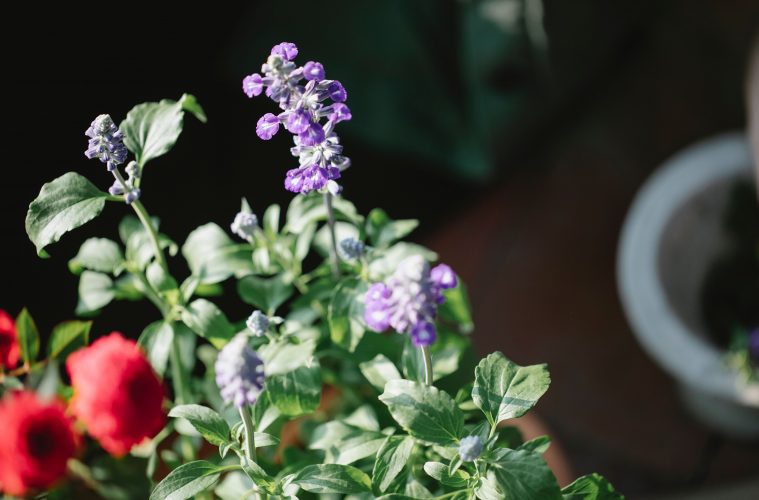
 Chumasande Matiwane
These are hardy, attractive, and easy-to-grow perennials that bring colour, fragrance, and pollinators into the garden.
Known for its soft grey-green foliage and purple-blue flowers, catmint is a favourite among gardeners because it requires little maintenance while providing long-lasting blooms.
With the right growing conditions and care, catmint can thrive for many years.
Choosing the right location for catmint
Catmint grows best in a sunny location where it receives at least six hours of direct sunlight each day. Although it can tolerate partial shade, too little sunlight may result in fewer flowers and weaker growth.
Choose a spot with good air circulation and enough space for the plant to spread. Catmint works well in flower borders, rock gardens, pathways, containers, and pollinator-friendly landscapes.
Preparing the soil
One of the reasons catmints are so popular is their ability to grow in different soil types. However, it performs best in well-draining soil. Heavy, waterlogged soil can cause root problems.
Before planting, improve poor soil by adding compost or organic matter. A slightly alkaline to neutral soil is ideal, but catmint is generally adaptable and does not require perfect conditions.
Planting your catmint plant
The best time to plant a catmint is in spring or early autumn when temperatures are mild. With Spring coming up in the country, it is a good time to prep for planting.
To plant catmint:
- Dig a hole slightly larger than the plant’s root ball.
- Place the plant at the same depth it was growing in its container.
- Fill the hole with soil and gently press it down.
- Water thoroughly after planting.
- Space plants about 45–60 cm apart to allow room for growth.
Catmint can also be grown from seeds, but many gardeners prefer planting young nursery plants because they establish faster.
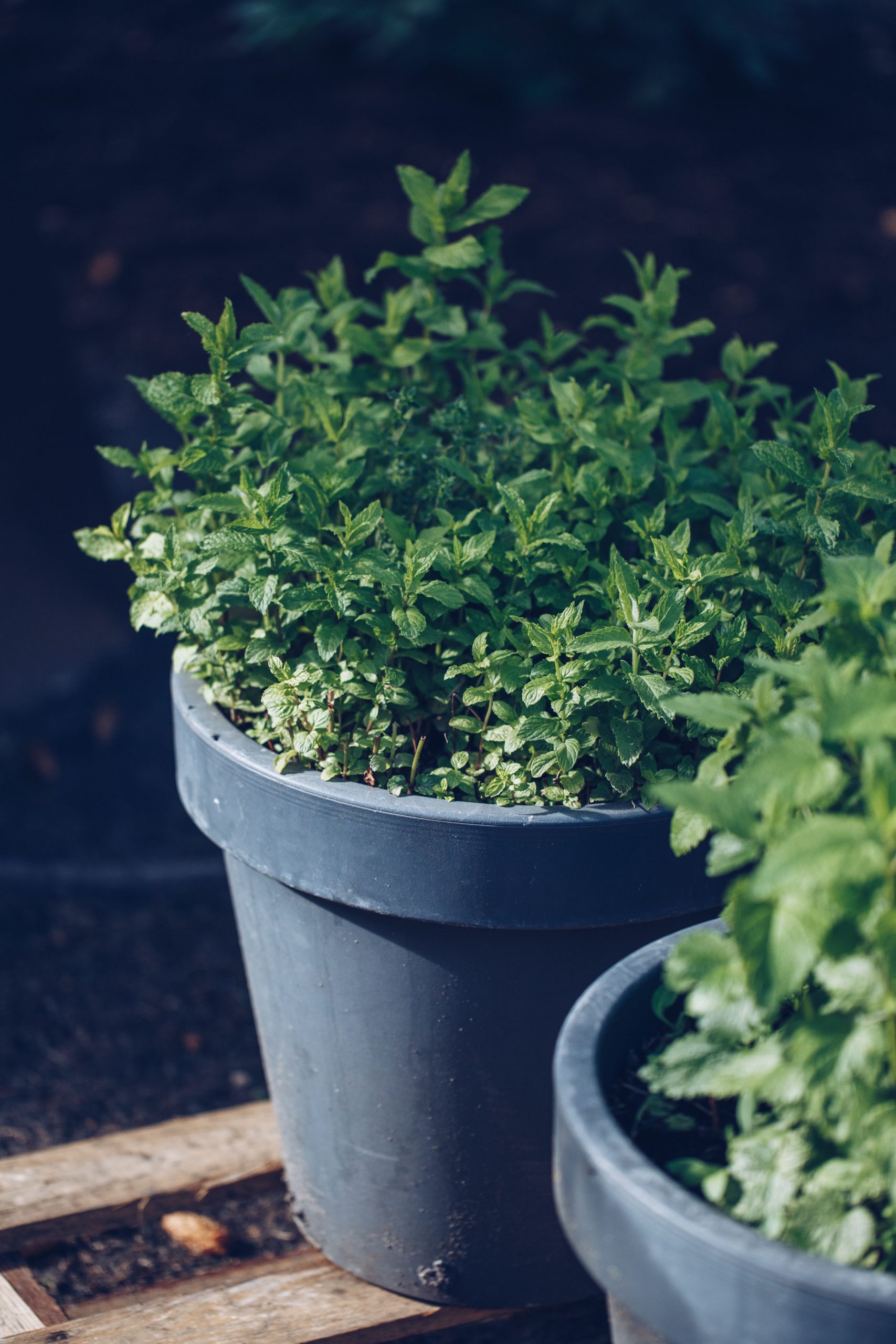
Image Credit: Pexels
Watering catmint properly
Catmint plants are drought-tolerant once established, but the young plant will need regular watering while its roots develop. Always water deeply when the soil begins to dry out, rather than giving frequent shallow watering.
Just avoid overwatering because consistently wet soil can damage the roots. Established catmint usually needs extra water only during long periods of hot, dry weather.
Feeding and fertilising
One of the good things about catmint plants is that these plants don’t require heavy feeding. Too much fertiliser can encourage excessive leafy growth and reduce flowering.
A small amount of compost added around the plant in spring is usually enough. If your soil is very poor, a balanced slow-release fertiliser can be applied lightly.
When growing in containers
They grow well in pots, making the plants a good choice for patios and balconies. Just use a container with drainage holes and quality potting mix. Also, place the container in a sunny area and water when the top layer of soil feels dry.
Container-grown catmint plants may need more frequent watering than plants grown in the ground.
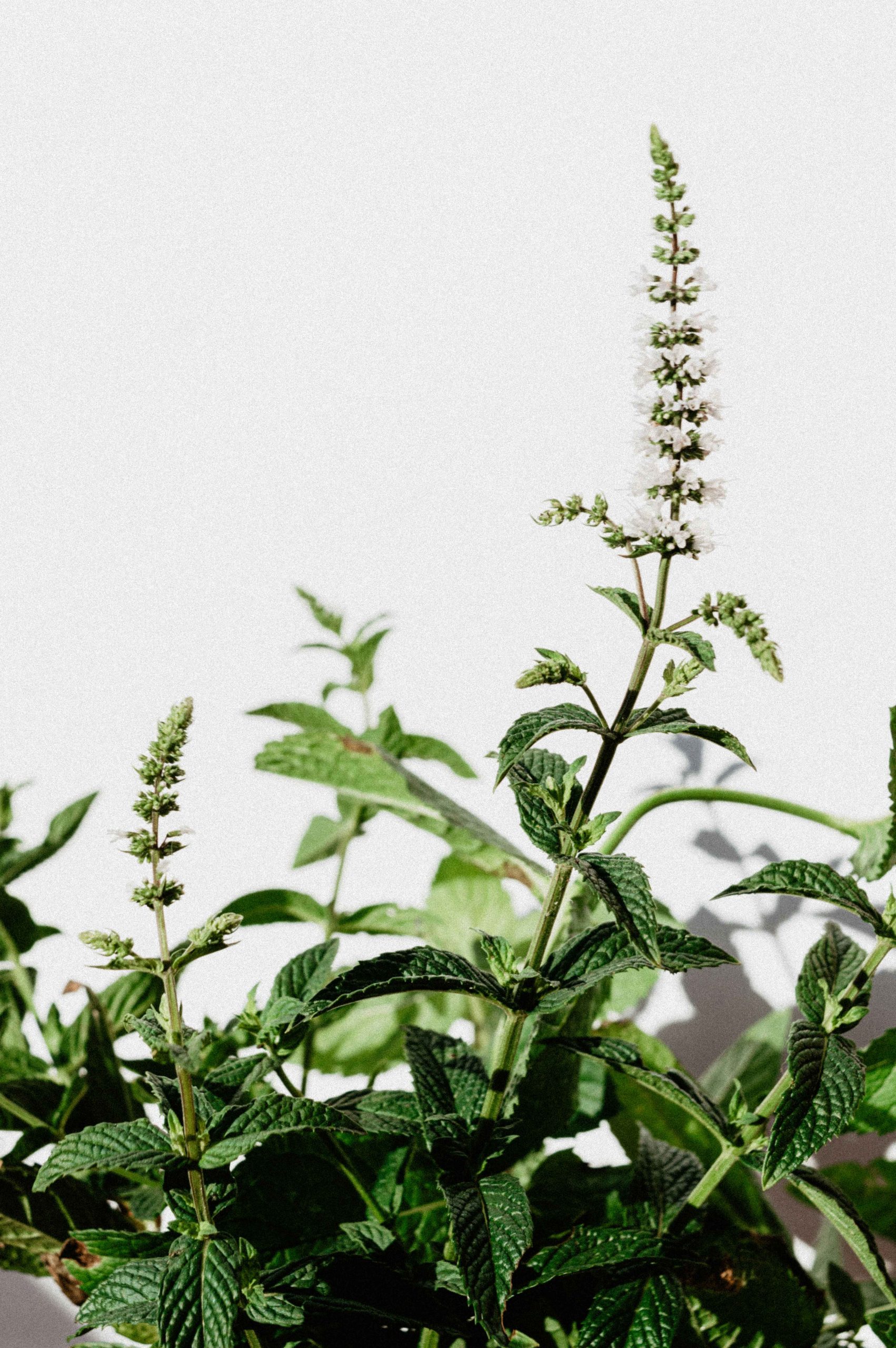
Image Credit: Unsplash
Common mistakes to avoid
When growing catmint, avoid these common mistakes:
- Planting it in heavy, poorly drained soil
- Giving it too much water
- Using excessive fertilizer
- Not pruning after flowering
- Growing it in deep shade
ALSO SEE:
Feature Image: Pexels
