
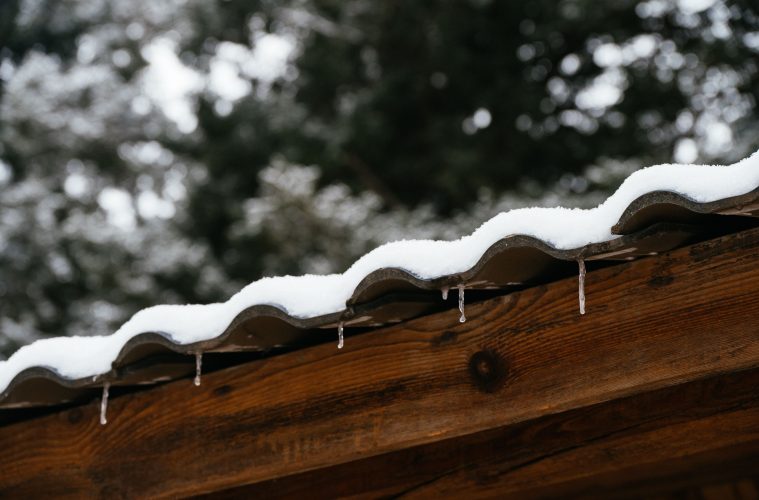
 Chumasande Matiwane
As temperatures drop and winter sets in, many homeowners begin to notice an unwelcome problem: dampness. Cold weather, increased rainfall, and reduced ventilation create the perfect conditions for moisture to build up inside homes.
If left untreated, dampness can lead to mould growth, unpleasant odours, damaged walls, and even health issues. Fortunately, with a few preventative measures, you can keep your home warm, dry, and comfortable throughout the colder months.
Understanding the Causes of Dampness
Dampness occurs when excess moisture accumulates in a building and cannot escape. During winter, this is often caused by condensation, poor ventilation, leaking roofs or gutters, and rising damp from the ground. Everyday activities such as cooking, showering, and drying clothes indoors can also increase indoor humidity levels.
Improve Ventilation
One of the most effective ways to combat dampness is to ensure proper airflow throughout your home. Open windows for short periods each day, even when it’s cold outside, to allow fresh air to circulate. Use extractor fans in kitchens and bathrooms to remove excess moisture at its source. Keeping internal doors open can also help improve air movement between rooms.
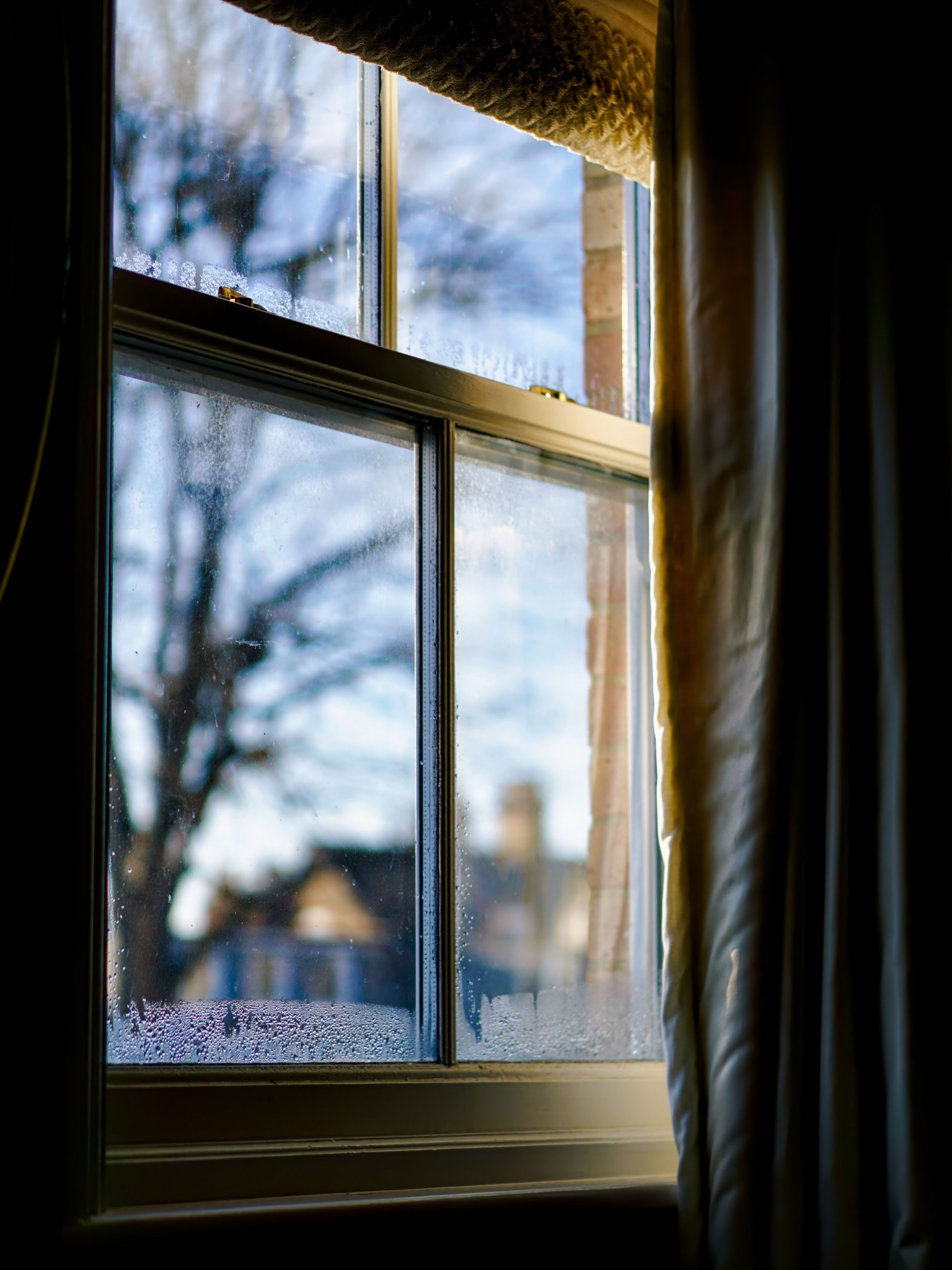
Image Credit: Pexels
Maintain a Consistent Indoor Temperature
Keeping your home at a steady temperature can help prevent condensation from forming on walls and windows. Sudden temperature fluctuations often encourage moisture buildup. Even moderate heating throughout the day can be more effective than allowing rooms to become very cold and then heating them rapidly.
Check Roofs, Gutters, and Downpipes
Before winter arrives, inspect your roof for damaged tiles, cracks, or leaks that could allow water to enter your home. Clean gutters and downpipes regularly to ensure rainwater flows away properly. Blocked drainage systems can cause water to overflow and seep into walls and foundations.
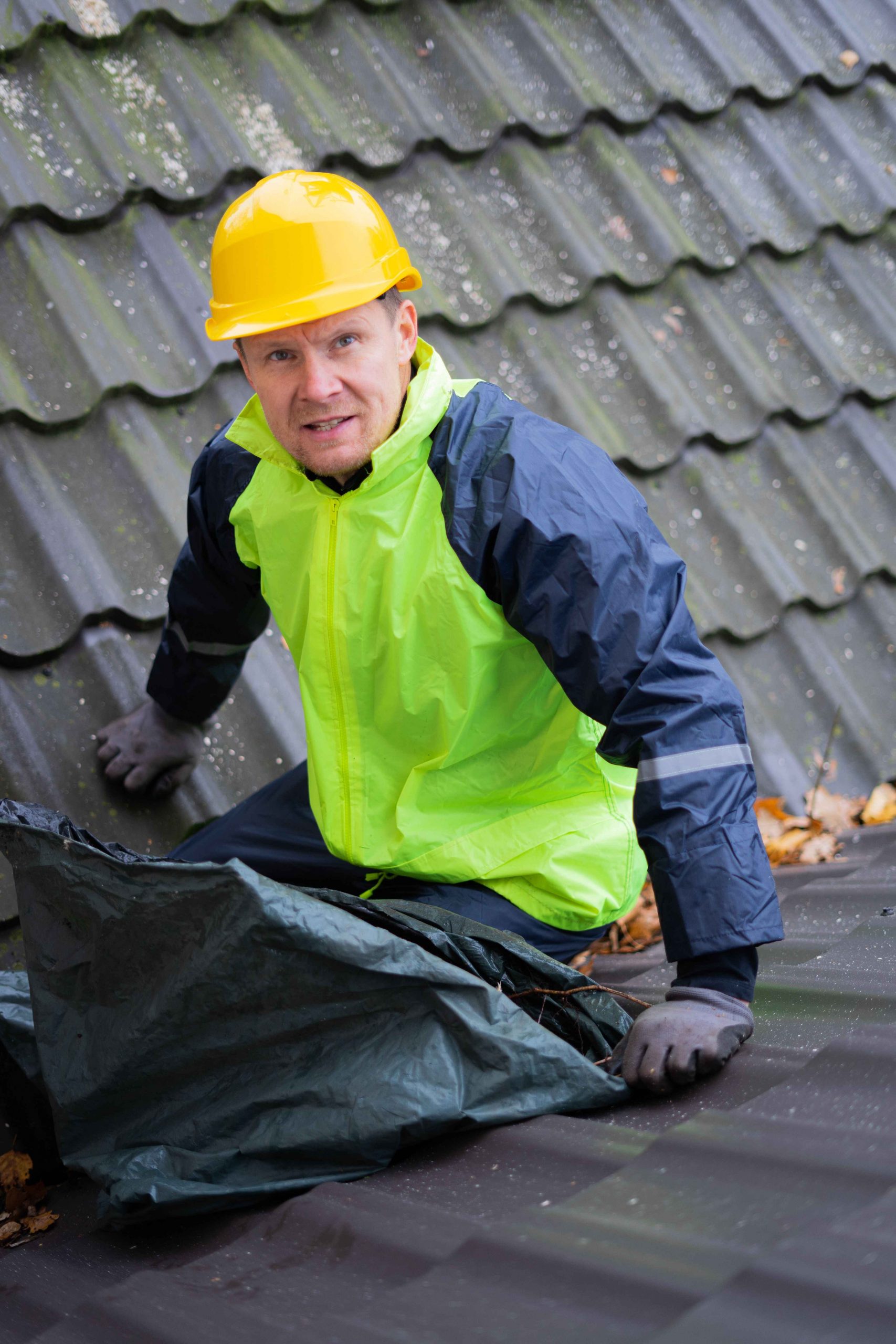
Image Credit: Pexels
Seal Cracks and Gaps
Small cracks around windows, doors, and walls can allow cold air and moisture to enter. Inspect your home for gaps and seal them with appropriate weatherproofing materials. This not only helps reduce dampness but can also improve energy efficiency and lower heating costs.
Protect Exterior Walls
Exterior walls are your home’s first line of defence against winter weather. Ensure that any damaged plaster, paint, or brickwork is repaired promptly. Applying a waterproof exterior coating can provide additional protection against rain penetration in vulnerable areas.
Winter dampness is a common challenge, but it doesn’t have to become a serious problem. A proactive approach to home maintenance and moisture control can keep your property dry, comfortable, and free from mould throughout the season.
Taking action now will help safeguard both your home’s structure and your family’s well-being during the colder months.
ALSO SEE:
Five smart ways to maintain a healthy greenhouse during winter
Feature Image: Pexel
