
 Bianca Muller
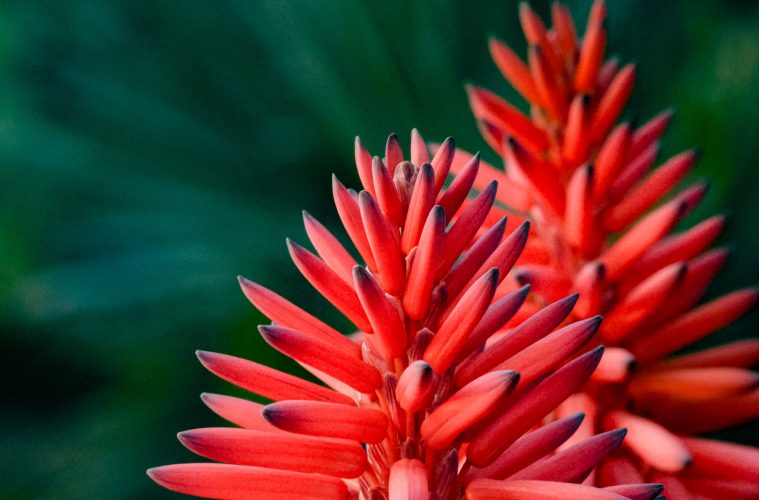
Looking for a plant that thrives with very little fuss, feeds local wildlife and puts on one of winter’s best floral displays? An aloe ticks every box.
A winter favourite
Unlike many flowering plants that peak in spring or summer, most South African aloes bloom from late autumn through winter, although flowering times vary slightly depending on the species and region.
Their nectar-rich flowers are perfectly timed to provide food for pollinators when little else is in bloom. In many gardens, you’ll see sugarbirds, sunbirds and bees visiting aloe flowers from sunrise to sunset.
Beyond their ecological value, the flowers add height, structure and colour to gardens at a time when they’re often needed most.
Why every South African garden should have an aloe
They’re drought tolerant
Once established, most aloes require very little watering, making them ideal for water-wise gardens and increasingly unpredictable rainfall.
They support local wildlife
Their tubular flowers are packed with nectar, attracting:
- Sunbirds
- Bees
- Butterflies
- Beneficial insects
These visitors help support healthy garden ecosystems throughout the year.
They’re low maintenance
Unlike many ornamental plants, aloes generally don’t need frequent feeding, pruning or pampering. Plant them in the right spot and they’ll happily look after themselves.
They’re proudly South African
South Africa is home to well over 100 indigenous aloe species, many of which occur nowhere else on Earth. They’re perfectly adapted to local conditions and form an important part of the country’s natural heritage.
Which aloe should you plant?
Not all aloes look—or grow—the same. Some stay compact enough for pots, while others eventually become towering trees.
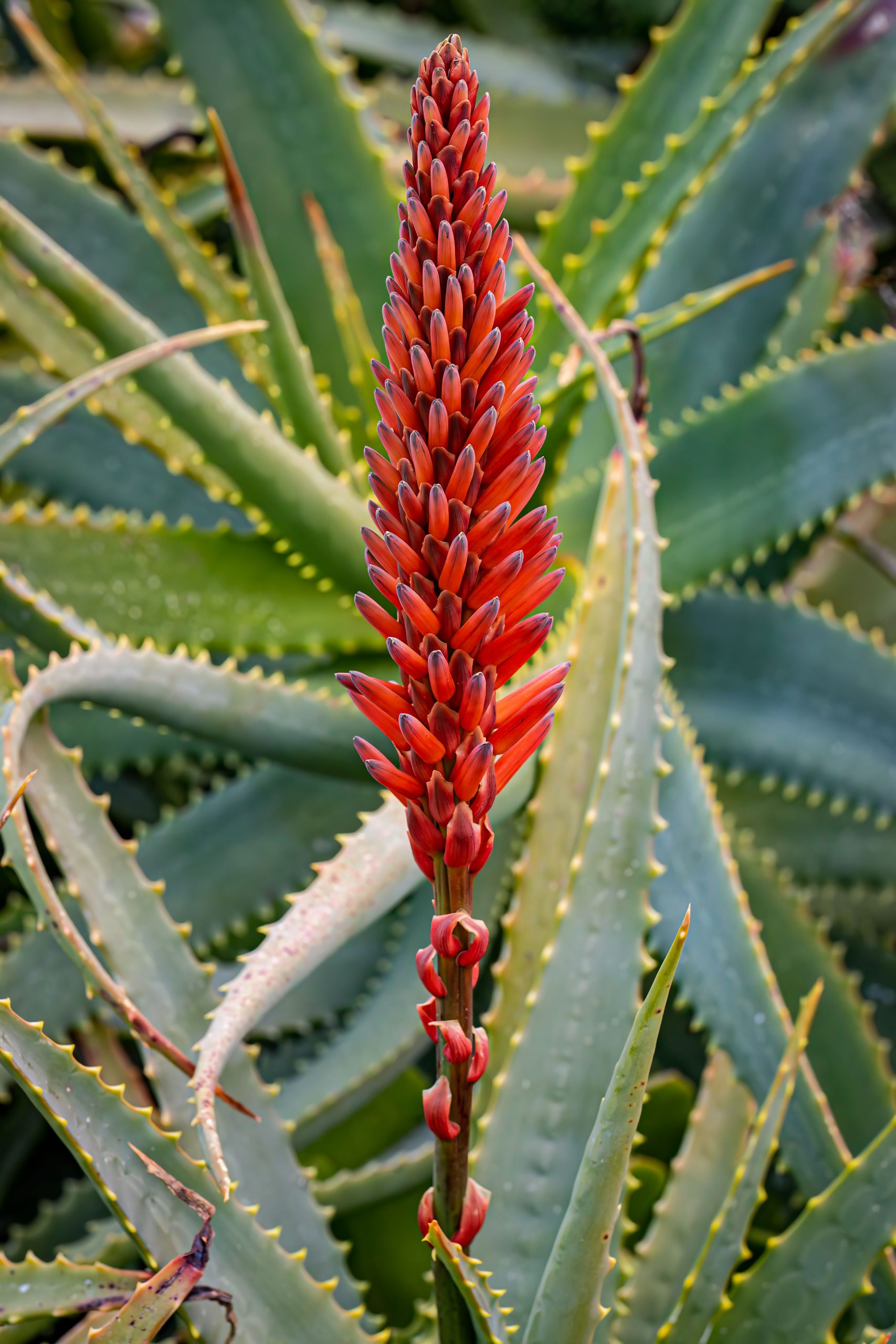
Photo: Pexels
Aloe ferox (Cape aloe)
One of South Africa’s best-known species, Aloe ferox produces striking orange-red flower spikes and can reach 2 to 5 metres tall.
Best for:
- Large gardens
- Water-wise landscapes
- Coastal and inland regions
It also has medicinal uses, although products made from Aloe ferox should only be used according to reputable medical guidance.
Aloe arborescens (Krantz aloe)
This fast-growing favourite forms dense clumps covered in fiery red flowers during winter.
Best for:
- Slopes
- Wildlife gardens
- Natural screening
- Beginner gardeners
Its flowers are particularly popular with sunbirds.
Aloe barberae (Tree aloe)
If you have space, this is a real statement plant. One of Africa’s largest aloes, it eventually develops into a beautiful tree crowned with winter flowers.
Best for:
- Large properties
- Frost-free areas
- Feature planting
Aloe brevifolia (Blue aloe)
Compact, architectural and perfect for smaller gardens, this aloe forms attractive blue-green rosettes with bright orange flowers.
Best for:
- Pots
- Rockeries
- Small courtyards
Aloe care tips based on where you live
One of the biggest secrets to growing healthy aloes is choosing a species suited to your local conditions.
Western Cape
Winter rainfall makes this one of the easiest places to grow many aloe species.
Care tips:
- Plant in full sun.
- Ensure excellent drainage.
- Water sparingly during summer once established.
- Remove spent flower stalks after flowering.
Gauteng and the Highveld
Cold winters and frost can damage more sensitive species.
Care tips:
- Choose frost-tolerant varieties such as Aloe arborescens or Aloe ferox.
- Plant in full sun.
- Avoid watering before frost.
- Protect young plants during severe cold spells.
KwaZulu-Natal
The warmer, more humid climate suits many aloe species.
Care tips:
- Improve drainage if soils stay wet.
- Watch for fungal diseases during prolonged humidity.
- Avoid overwatering in summer.
Karoo and arid regions
Many indigenous aloes naturally occur in these environments.
Care tips:
- Water deeply but infrequently.
- Plant in gravelly, free-draining soil.
- Avoid rich composts that retain too much moisture.
How to grow healthy aloes
Even though they’re easy-going plants, a few simple rules will keep them looking their best.
Give them plenty of sun
Most aloes flower best in at least six hours of direct sunlight each day.
Don’t overwater
The quickest way to kill an aloe is by keeping its roots constantly wet.
As a general guide:
- Newly planted aloes need occasional watering while establishing.
- Mature plants usually only need extra water during prolonged dry spells.
Plant in well-draining soil
Heavy clay soils can cause root rot. If your soil doesn’t drain well, improve it with coarse sand, gravel or plant aloes in raised beds.
Feed lightly
A yearly application of compost is usually enough. Avoid high-nitrogen fertilisers, which encourage leafy growth at the expense of flowers.
Should you deadhead aloe flowers?
Once flowering has finished, cut the spent flower stalk back near its base. This helps tidy the plant and allows it to put energy into producing new growth rather than setting seed. However, if birds are still feeding on the flowers, it’s worth leaving them a little longer.
ALSO SEE: What’s flowering: Christmas cactus
Feature image: Pexels
