
 Bianca Muller
Bright, cheerful and perfectly timed for the colder months, the Christmas cactus is one of those houseplants that rewards even the most forgetful plant parents with a spectacular floral display. Here’s how to keep yours happy, healthy and flowering year after year.
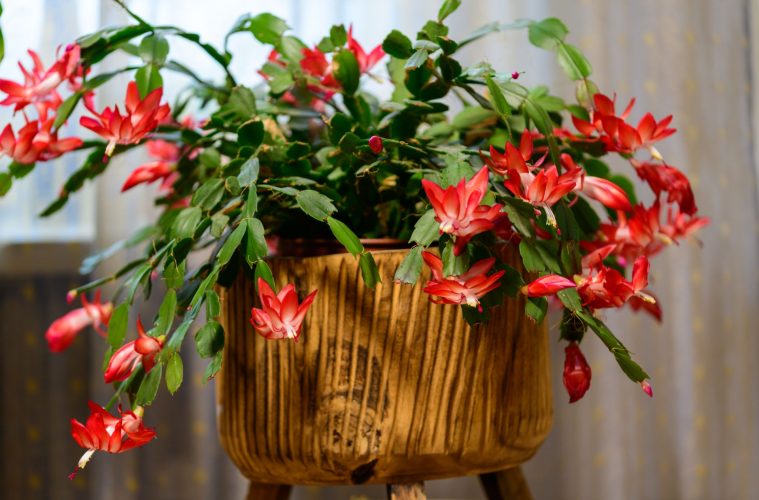
When most plants are slowing down for winter, the Christmas cactus (Schlumbergera) is just getting started. With its cascading stems and stunning blooms in shades of pink, red, white, orange and purple, this popular indoor plant brings a welcome splash of colour to homes across South Africa during the cooler months.
Despite its name, the Christmas cactus isn’t a true desert cactus. It originates from the humid rainforests of Brazil, where it grows on trees and rocks beneath a leafy canopy. Understanding its natural habitat is the secret to helping it thrive indoors.
If you’ve noticed Christmas cacti bursting into bloom at garden centres or in homes during winter and early spring, you’re not alone. In South Africa, these plants typically flower between late autumn and winter, depending on the variety, climate and growing conditions. Their colourful flowers can last for several weeks, making them one of the most rewarding flowering houseplants to grow.
Light conditions
One of the biggest mistakes people make is treating a Christmas cactus like a desert cactus. While many cacti thrive in direct sunlight, Christmas cacti prefer bright, indirect light. A spot near an east-facing window is often ideal. They can tolerate a little morning sun, but harsh afternoon rays may scorch the leaves. If your plant’s stems start turning reddish-purple, it may be receiving too much direct sunlight.
Best placement
- Bright indoor room
- East- or north-facing windows
- Sheltered patios with filtered light
- Away from harsh afternoon sun
Watering
The Christmas cactus likes its soil to remain lightly moist but never soggy. Allow the top few centimetres of soil to dry out before watering again. During active growth and flowering, you may need to water slightly more often. In winter, especially in cooler parts of the country, reduce watering frequency.
Overwatering is the quickest way to kill a Christmas cactus, often leading to root rot and yellowing stems.
Signs of watering issues
Too much water:
- Yellow stems
- Mushy leaves
- Root rot
- Dropping flower buds
Too little water:
- Wrinkled stems
- Limp growth
- Premature flower drop
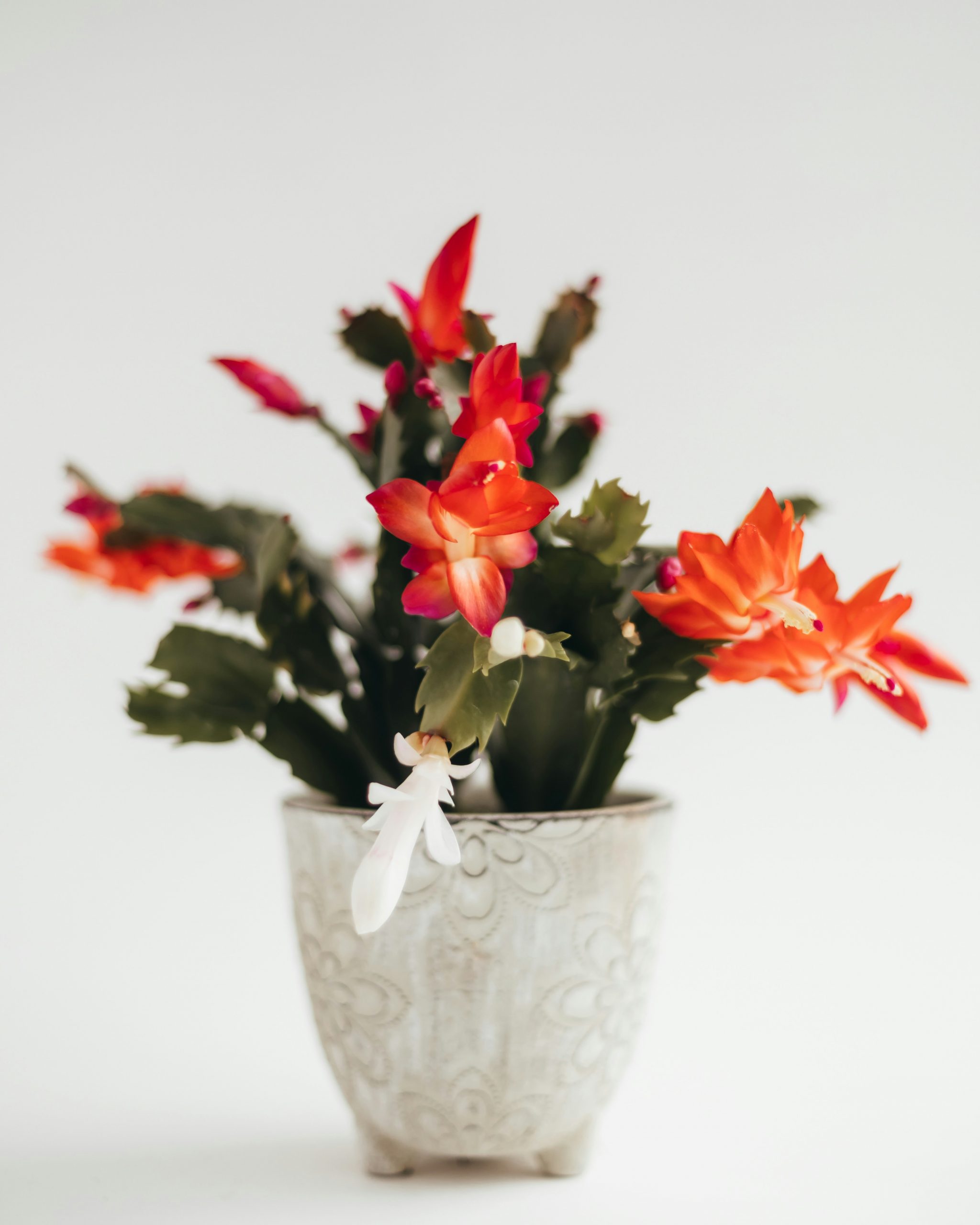
Photo: Pexels
How to encourage more flowers
One of the most common questions gardeners ask is: Why isn’t my Christmas cactus flowering? Flowering is triggered by shorter days and cooler temperatures. To encourage blooms, your plant needs around six weeks of:
- 12 to 14 hours of darkness each night
- Cooler temperatures between 10°C and 18°C
- Reduced watering
This often happens naturally during South Africa’s winter months, but indoor lighting can sometimes interfere with the process. Once buds appear, avoid moving the plant around too much, as sudden changes can cause buds to drop.
Feeding your Christmas cactus
Feed monthly during spring and summer using a balanced liquid fertiliser diluted according to package instructions. Once flower buds begin to develop, stop feeding until flowering has finished. Too much fertiliser can encourage leafy growth at the expense of flowers.
Easy propagation for free plants
Christmas cacti are among the easiest houseplants to propagate.
- Remove a cutting with two to four stem segments.
- Leave it to dry for a day or two.
- Insert the base into lightly moist potting mix.
- Place in bright, indirect light.
- Water sparingly until roots develop.
Within a few weeks, you should see new growth emerging.
Quick care guide
Light: Bright, indirect light
Water: Allow top layer of soil to dry between waterings
Soil: Well-draining cactus mix
Temperature: 10°C–24°C
Feeding: Monthly during spring and summer
Pruning: After flowering
Flowering season: Late autumn to winter in South Africa
ALSO SEE: How to grow a thriving bougainvillea
Feature image: Pexels
