
 Chumasande Matiwane
Overwintering pepper plants indoors is a rewarding way to extend their life beyond the growing season. By bringing them inside before the cold sets in, you preserve your plants for another year of fruitful harvests. With these essential steps, you can successfully nurture pepper plants during the winter months.
Choosing the right peppers
Not all pepper plants are equally suited for indoor overwintering. Select healthy, mature plants with strong stems and no signs of disease or pest infestation. Ideally, choose varieties known to adapt well indoors, such as bell peppers or hot chilli peppers.
Prepare your peppers for the indoors
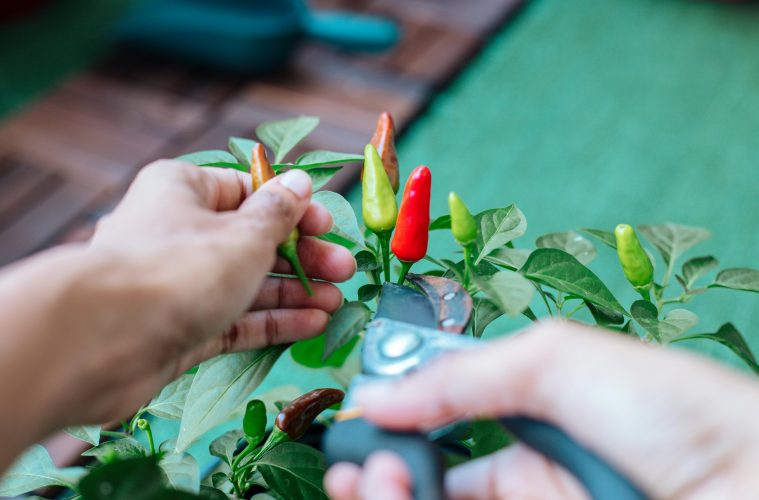
Before moving your plants inside, prune them lightly to reduce foliage and encourage sturdier growth. Remove any yellowing leaves and dead branches. This preparation minimises stress and helps the plant conserve energy throughout winter.
Selecting an appropriate indoor location
Peppers need ample light to thrive indoors. Place them in a bright, south-facing window where they can receive at least six hours of direct sunlight daily. If natural light is insufficient, supplement with grow lights designed for vegetable plants.
Maintaining ideal temperature and humidity
Peppers prefer temperatures between 15°C to 21°C during the day and slightly cooler at night. Avoid placing plants near drafts, heaters, or cold windows. Maintain moderate humidity by misting occasionally or using a humidity tray to prevent leaf drop.
Image Credit: Pexels
Watering and feeding during winter
Water pepper plants sparingly in winter, allowing the soil to dry slightly between waterings. Overwatering can cause root rot. Fertilise monthly with a balanced, diluted fertiliser to support continued growth without overwhelming the plant.
Monitoring for pests and diseases
Indoor conditions can invite pests like spider mites and aphids. Regularly inspect your plants and treat infestations promptly with insecticidal soap or neem oil. Keep the environment clean and remove fallen leaves to reduce disease risk.
Image Credit: Pexels
With careful attention to light, temperature, and watering, overwintering pepper plants indoors can be successful and satisfying. By providing the right conditions, you preserve your plants’ vitality and enjoy fresh peppers long after the outdoor growing season ends.
ALSO SEE:
Feature Image: Pexels
