
 Jade Mcgee
If you’ve ever watched a row of lettuce bolt all at once, or found yourself with more spinach than your household can eat in a week, you’ve encountered the most common failure mode of vegetable gardening: planting everything at the same time.
The alternative is succession sowing, a technique that requires a little more forethought but results in a steady, manageable flow of harvest throughout the growing season rather than a feast followed by nothing.
What is succession sowing?
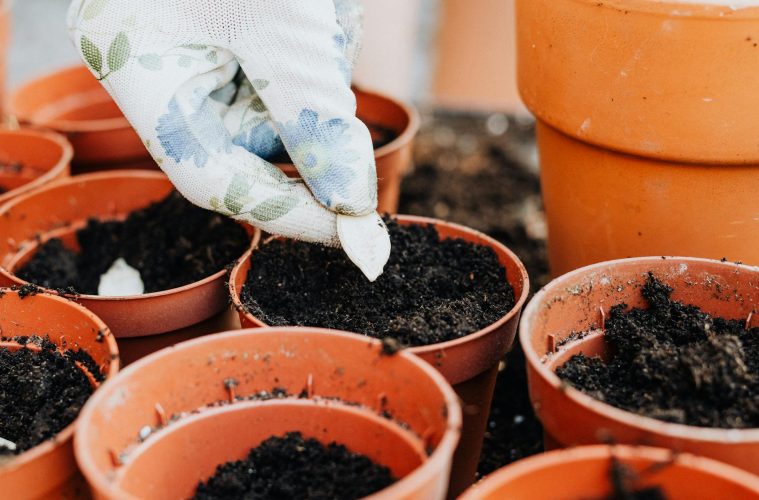
Succession sowing means sowing the same crop in small batches at regular intervals, typically every two to four weeks, rather than all at once. Instead of planting an entire packet of radish seed in one go and eating radishes for four days straight before they go woody, you sow a small handful every two weeks and always have a fresh crop coming on.
The principle works because most fast-maturing vegetables have a narrow harvest window. Once they reach maturity, their quality declines quickly. By staggering the sowing, you stagger the harvest and avoid waste.
Lettuce
Lettuce is the textbook succession crop. A single planting will give you roughly two weeks of usable leaves before the plant bolts and turns bitter, particularly in warm weather. In South Africa, sow small batches from September through to November, then again from late February through April for an autumn harvest. Cut-and-come-again leaf varieties respond best to this method and tolerate a wider range of temperatures than heading types.
Radishes
Radishes mature in as little as three to four weeks, and they lose quality almost immediately once fully grown, going from crisp to hollow and pithy in a matter of days. A single large planting is almost always wasteful. Sow a short row every 10 to 14 days during cooler months. In Highveld gardens, this means September through November and again from March to May, skipping the hottest weeks of midsummer when radishes bolt without producing worthwhile roots.
Spinach
Spinach shares the same heat sensitivity as lettuce but bolts even faster. In South African gardens, sow it from early September through mid-October, then stop until the weather cools again in February or March. Small sowings every 10 to 14 days during the cooler periods will keep a continuous supply coming without a single glut. During the summer gap, chard or New Zealand spinach makes an excellent substitute and handles the heat far better.
Carrots
Carrots take longer to mature, typically 60 to 75 days, but they also hold in the ground better once ready. Sow every three weeks from September through to late January, stopping in time for the final sowing to mature before the cold on the Highveld. In frost-free coastal regions, sowing can continue through winter with some adjustment.
Bush beans
Bush beans produce heavily for two to three weeks before tailing off. For a continuous supply, sow two or three batches spaced two weeks apart through spring and early summer. In areas with a severe summer heat, avoid sowing during the hottest weeks as beans struggle to set pods when temperatures consistently exceed 33 degrees Celsius.
Herbs that bolt quickly
Coriander (cilantro) is perhaps the most demanding succession crop in the vegetable garden. It bolts at the slightest stress, meaning a single spring sowing may give you only two to three weeks of usable leaves. Sow small batches every two weeks from September onwards and again in March. If the plant does bolt, let it flower for the pollinators and collect the coriander seeds for use as a spice.
The key principles
The most useful rule in succession sowing is to make the next sowing when the previous one begins to germinate, rather than waiting until the first harvest is over. This keeps the production cycle uninterrupted. Keep a simple record of sowing dates, and within one season you’ll develop an intuitive sense of when each crop needs to go in.
Small harvests, regularly, are always more practical than large ones that require immediate processing.
ALSO SEE:
GARDENING FOR PETS: TWO PLANTS THAT MAKE CATS AND DOGS HAPPY
Featured Image: Pexels
