
 Bianca Muller
Healthy plants start below the surface. If your garden soil is lacking nutrients, compacted or unable to hold enough moisture, even plants that are suited to your conditions can struggle to grow well. Improving soil fertility is one of the simplest ways to give your garden a stronger foundation, and you do not need to replace all your soil to make a difference.
From adding compost and organic matter to choosing the right fertiliser, a few consistent changes can improve the quality of your soil over time.
Start by understanding your soil
Before adding fertiliser or other amendments, take a closer look at the soil you already have. Soil can be sandy, clay-heavy, loamy or somewhere in between, and each type has different characteristics.
Sandy soil tends to drain quickly and can struggle to retain nutrients, while clay soil holds water and nutrients well but can become compacted. Loamy soil, which contains a balance of sand, silt and clay, is generally considered well suited to growing a wide range of plants.
A soil test can also help determine its pH and nutrient levels. This is useful because adding nutrients that are already present in sufficient quantities is unlikely to benefit your plants and can sometimes cause problems.
Add compost regularly
Compost is one of the easiest ways to improve garden soil. As it breaks down, it adds organic matter and nutrients while helping improve the soil’s structure.
Work a layer of mature compost into the top few centimetres of soil before planting, or add it around established plants as a mulch. Compost can help sandy soil hold moisture for longer while improving drainage and aeration in heavier soils.
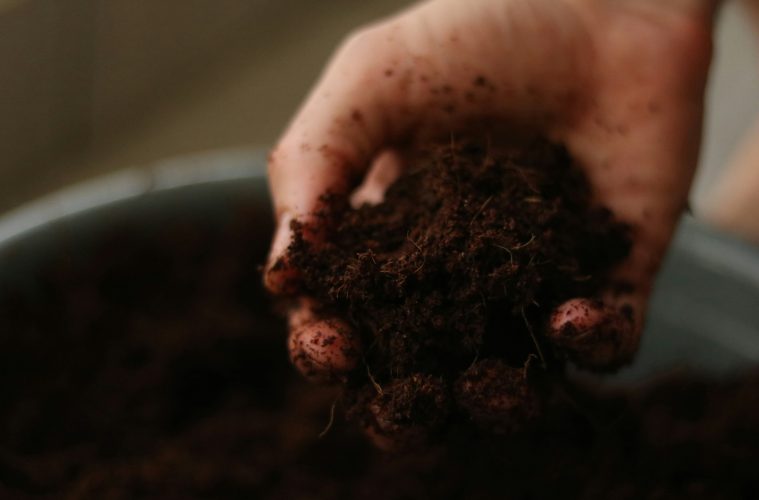
If you make your own compost, use a mixture of materials rather than relying heavily on one type of kitchen or garden waste. Well-rotted compost should have a dark, crumbly texture and an earthy smell.
Use organic matter to build healthier soil
Compost is not the only source of organic matter. Well-rotted manure, leaf mould and other suitable organic amendments can also contribute to soil health.
Adding organic matter is particularly useful when soil has been disturbed, depleted or compacted. Rather than thinking of fertility as something you add once, it is better to build it gradually by returning organic material to the soil throughout the year.
Avoid adding fresh manure directly around plants, as it can be too strong and may damage roots. Allow manure to break down properly before incorporating it into planting areas.
Mulch the surface
A layer of mulch can do more than make a garden bed look tidy. Organic mulches such as shredded leaves, bark and compost help protect the soil surface, reduce evaporation and gradually add organic matter as they decompose.
Mulching can be particularly helpful during hot, dry periods, when exposed soil can lose moisture quickly. Keep mulch slightly away from plant stems and tree trunks to reduce the risk of rot and other problems.
As the mulch breaks down, replenish it rather than digging large quantities into the soil all at once.
Grow plants that benefit the soil
Some plants can contribute to better soil health when incorporated into a thoughtful planting plan. Legumes such as beans and peas form relationships with soil bacteria that allow them to fix atmospheric nitrogen, making them useful members of a crop rotation.
Cover crops can also help protect soil from erosion and reduce the amount of bare ground in a garden. Once they have finished growing, certain cover crops can be cut down and incorporated into the soil or left as a surface mulch.
For vegetable gardens, rotating crops rather than growing the same plant family in the same spot year after year can also help maintain healthier soil and reduce the build-up of certain pests and diseases.
Avoid disturbing the soil unnecessarily
Healthy soil contains a complex network of microorganisms, fungi, plant roots and other organisms. Excessive digging can disturb this structure and damage soil aggregates.
Rather than turning over the entire garden bed every season, add compost or other suitable organic matter to the surface and work it into the upper layer where necessary. Avoid walking repeatedly on planting beds, as this can compact the soil and reduce the air spaces roots need.
For established gardens, a lighter-touch approach can help preserve the structure you have spent time building.
Feed plants according to their needs
Fertiliser can be useful when plants need additional nutrients, but more is not necessarily better. Different plants have different nutritional requirements, and over-fertilising can damage plants and contribute to nutrient run-off.
Use a fertiliser appropriate for the plants you are growing and follow the application instructions on the product. Where possible, base fertiliser applications on a soil test or the specific needs of the crop rather than applying fertiliser routinely without knowing what the soil lacks.
Slow-release and organic fertilisers can also be useful options, depending on the plants and growing conditions.
Keep soil covered
Bare soil is exposed to sun, wind and heavy rain, all of which can contribute to erosion and loss of moisture. Planting groundcovers, using mulch and allowing suitable plants to occupy garden beds can help protect the soil.
In a vegetable garden, staggered planting can help keep beds productive rather than leaving large areas of soil exposed between crops.
Give your soil time
Improving soil fertility is an ongoing process rather than a quick fix. Compost added this month will continue breaking down over time, while repeated additions of organic matter can gradually improve the structure and nutrient-holding capacity of the soil.
Pay attention to how your plants respond, check the condition of the soil and make changes gradually. A garden with healthy, well-maintained soil is better placed to support strong root growth, retain moisture and provide plants with the nutrients they need.
Ultimately, improving soil fertility is less about finding one miracle product and more about creating the conditions in which soil can remain healthy and productive year after year.
ALSO SEE: The most common lawn pests in South Africa and how to spot them
The most common lawn pests in South Africa and how to spot them
Feature image: Unsplash
