
 Bianca Muller
With heatwaves, unpredictable water shortages and little rain on the horizon, a few water-wise gardening habits can help keep your plants healthy through summer.
South African gardens can take a beating during a hot, dry summer. Between rising temperatures, water restrictions and the cost of keeping plants hydrated, maintaining a healthy garden requires a little more planning. With El Niño conditions raising concerns about dry weather, now is a good time to rethink how you water and care for your outdoor space.
Craig De Necker of garden design and landscape installation company The Friendly Plant shares 10 practical tips to help gardens cope with the heat, use water more efficiently and stay in good condition while you’re away over the holidays.
10 water-wise gardening tips for summer
1. Choose plants that need less water
If your garden includes plants that need frequent watering, consider replacing some of them with succulents and other water-wise varieties suited to your local climate. These plants can be a practical choice for a garden that needs to cope with dry spells without constant attention.
You don’t have to replace everything at once. Start with areas that receive plenty of sun or tend to dry out quickly, and choose plants that suit the conditions in your garden.
2. Water deeply rather than frequently
How you water your garden matters just as much as how often you do it. De Necker recommends drip irrigation, which delivers water closer to plant roots instead of spraying it over a wide area.
Watering deeply allows moisture to reach the root zone, where plants can absorb it. It can also reduce water lost to evaporation compared with overhead spraying and help you avoid watering too frequently.
3. Water at the right time of day
Watering during the hottest part of the day can mean losing more moisture to evaporation before it reaches plant roots.
Johannesburg Water has advised residents to water their gardens before 06:00 or after 18:00. Check the latest restrictions and recommendations in your municipality, as permitted watering times can differ between areas.
Early morning or evening watering can help make better use of every drop, particularly during a heatwave.
4. Give delicate plants individual attention
Not every plant has the same watering requirements. Orchids, bonsais and other sensitive plants may need a more carefully managed routine than established succulents or hardy garden shrubs.
Check the needs of each plant and consider its position, the type of growing medium it is planted in and how quickly that medium dries out. Grouping plants with similar watering requirements can also make garden care easier.
5. Learn to recognise signs of underwatering
Dry, brittle leaves can be a sign that a plant isn’t receiving enough water. Wilting and dry soil may also indicate that it’s time to adjust your watering routine.
However, these symptoms can have other causes, too. Check the soil and consider the plant’s individual needs before increasing the amount of water you give it.
6. Avoid overwatering
When temperatures rise, it’s tempting to water everything more often. But too much water can damage roots, particularly when soil or potting mix remains saturated for long periods.
Check the soil before watering. It should not be bone dry when a plant needs moisture, but neither should it be persistently muddy or waterlogged. Drooping leaves can sometimes indicate overwatering rather than a lack of water, so look at the soil before reaching for the hose.
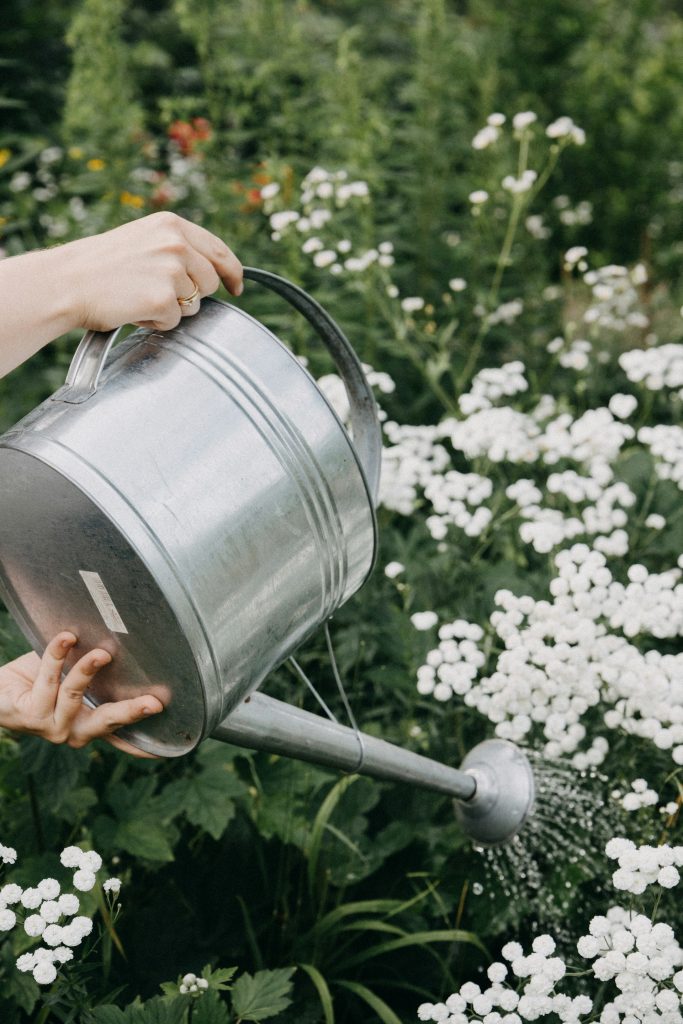
Photo: Unsplash
7. Check your irrigation system
A garden irrigation system is only useful if it’s working properly. Inspect pipes, emitters and sprinkler heads for leaks, blockages or damaged parts that could waste water or leave certain areas too dry.
If your budget allows, a Wi-Fi-controlled irrigation system can make adjustments easier when you’re away from home. Some systems allow you to change schedules remotely, helping you respond to forecast heatwaves or pause watering when substantial rain is expected.
8. Use mulch to retain soil moisture
Mulching is a simple way to help garden soil hold on to moisture for longer. A layer of suitable organic mulch, such as bark chips or dried leaves, can reduce evaporation and help moderate soil temperatures.
Spread mulch around plants while keeping it away from direct contact with stems and trunks. Check moisture levels beneath the mulch before watering, as the surface may look dry even when the soil underneath is still damp.
9. Prepare potted plants before going away
Potted plants can dry out faster than plants growing in garden beds, particularly when exposed to direct sunlight and hot winds.
Before leaving for a holiday, water your plants thoroughly, allowing excess water to drain freely. Avoid leaving pots standing in water unless the particular plant requires those conditions.
If you’ll be away for several days, consider moving vulnerable pots to a position with suitable shade and arranging for someone to check on them during particularly hot weather.
10. Rethink where you place your pots
A pot positioned beneath a roof overhang or against a sheltered wall may receive little or no rainfall, even when the rest of the garden gets a good soaking.
Check where rainwater naturally falls around your home and move pots if necessary. Just remember that a sudden move into full sun or deep shade can also stress plants, so choose a position that suits each plant’s light requirements.
Looking for water-wise plants? Visit the Houghton Bonsai, Succulent & Plant Show
If you’re planning a more water-wise garden this summer, the Houghton Bonsai, Succulent & Plant Show offers an opportunity to browse plants and speak to specialist growers.
The annual show returns to Killarney Mall from 30 October to 1 November 2026, with more than 60 exhibitors and vendors. Visitors can shop for succulents, browse orchids and bonsais, and find unusual plants to add to their collections.
The Witwatersrand Orchid Society will participate for the first time this year, with live orchid potting demonstrations scheduled daily at 11:00 and 14:00. Bonsai enthusiasts can also take a struggling tree to the free Bonsai Hospital for a diagnosis and advice.
Families can visit the free Kids’ Zone on Saturday and Sunday, while plant enthusiasts of all experience levels can browse the stalls. Entrance is free.
Garden Day took place on Sunday, 18 October, but the opportunity to give your garden a little attention doesn’t end there. By choosing suitable plants, watering more efficiently and preparing for dry spells, you can help your garden cope with the summer heat while making better use of the water available.
ALSO SEE: Become a water-saving gardener with these succulent plants
