
 Bianca Muller
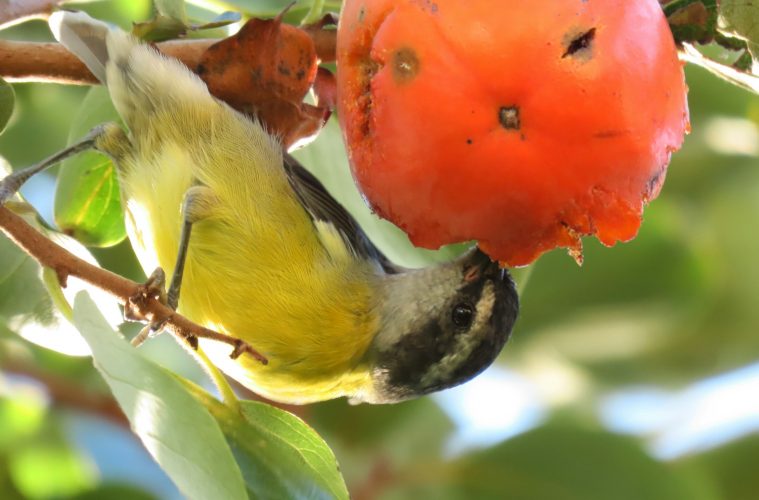
There’s nothing quite as frustrating as watching a fruit tree you have patiently tended produce a bumper crop, only for the birds to get there before you do. From berries and grapes to figs, peaches and apples, ripening fruit can quickly become a garden buffet.
The good news is that you do not need to ban birds from your garden altogether. A few simple changes can protect the fruit while still leaving your garden welcoming to wildlife.
Cover fruit with bird netting
If you want the most reliable protection, bird netting is the place to start. It creates a physical barrier between birds and the fruit, and is particularly useful for small trees, berry bushes and vines.
Secure the netting properly around the plant rather than simply draping it loosely over the top. Birds can otherwise find gaps underneath or become caught in loose netting.
For larger trees, use poles or a simple frame to keep the netting away from the fruit and make harvesting easier.
Put the netting up before the fruit ripens
Don’t wait until birds have already discovered your fruit tree. Once they have established a feeding routine, discouraging them can become more difficult.
Watch the fruit as it develops and put your protection in place as it begins to approach ripeness.
Protect individual fruit
You don’t necessarily need to cover an entire tree. For a small harvest, individual fruit clusters or branches can be protected with suitable breathable bags or fine mesh covers.
This can be a practical option for gardeners with only a few particularly valuable fruits, although the covering needs to allow adequate airflow and should not press heavily against the fruit.
Try reflective deterrents
Reflective tape, strips of shiny material and other moving objects can make a fruit tree less inviting to birds. Wind causes the material to move and flash in the sunlight, providing both visual and movement-based deterrence.
Hang strips around the fruiting area rather than leaving them in one position.
The important part is to move or change the deterrents regularly. Birds can become accustomed to objects that remain in the same place.
Don’t rely on a plastic owl
Plastic owls, snakes and other predator models are often suggested as a quick fix, but birds can learn that stationary objects are harmless.
If you use one, move it around the garden regularly and combine it with other deterrents rather than expecting it to protect the entire crop on its own.
Give birds something else to eat
If you enjoy having birds in your garden, consider providing an alternative food source away from your fruit trees.
A bird feeder or a separate area with bird-friendly plants can give birds another reason to spend time elsewhere. In South African gardens, indigenous plants that produce berries, seeds or nectar can also provide natural food sources.
This won’t guarantee that birds leave your fruit alone, but it can help reduce the pressure on a particularly vulnerable tree.
Harvest fruit as soon as it is ready
Don’t leave ripe fruit hanging on the tree longer than necessary. Regularly check your crop and pick fruit as it reaches maturity.
This is particularly useful for smaller crops, where harvesting over several days can make it harder for birds to take everything in one go.
Remove damaged or fallen fruit
Pick up fallen fruit and remove badly damaged fruit from the tree. Rotting fruit can attract a range of unwanted visitors, while fruit that has already been pecked can deteriorate quickly.
It also makes it easier to see which areas of the tree are being targeted and when the damage is happening.
Use several methods together
If birds are particularly persistent, don’t rely on a single deterrent. Combine physical protection with reflective materials or other temporary scare tactics.
Research and agricultural extension guidance consistently point to combining techniques when bird pressure is high, while netting remains the most dependable physical barrier.
And remember, the aim isn’t to get rid of the birds. They’re part of a healthy garden ecosystem. The trick is simply to make sure they don’t get the entire harvest before you do.
ALSO SEE: Garden bird of the week: Cape robin-chat
Feature image: Unsplash
