
 Chumasande Matiwane
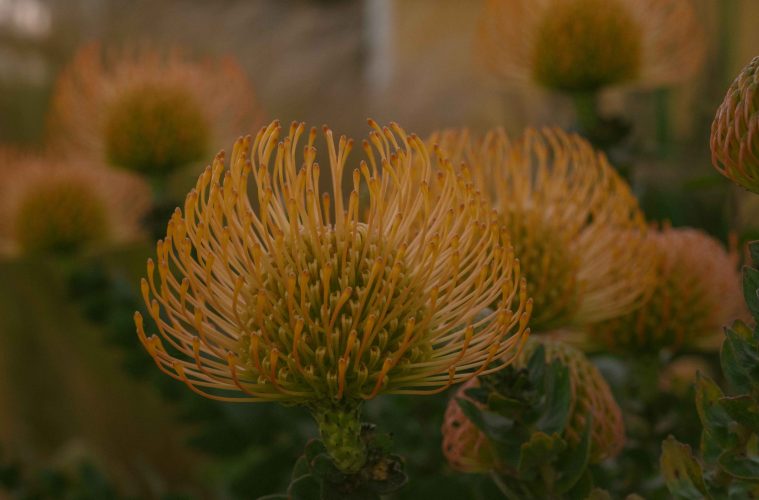
Proteas are among the country’s most striking indigenous plants, admired for their bold flowers, unusual shapes and ability to thrive in challenging conditions.
With the right care, these hardy plants can provide colour and interest in the garden throughout much of the year.
Choose the right location
Proteas generally prefer a sunny position with good air circulation. Choose a spot that receives several hours of direct sunlight each day. A bright, open location can encourage healthy growth and better flowering.
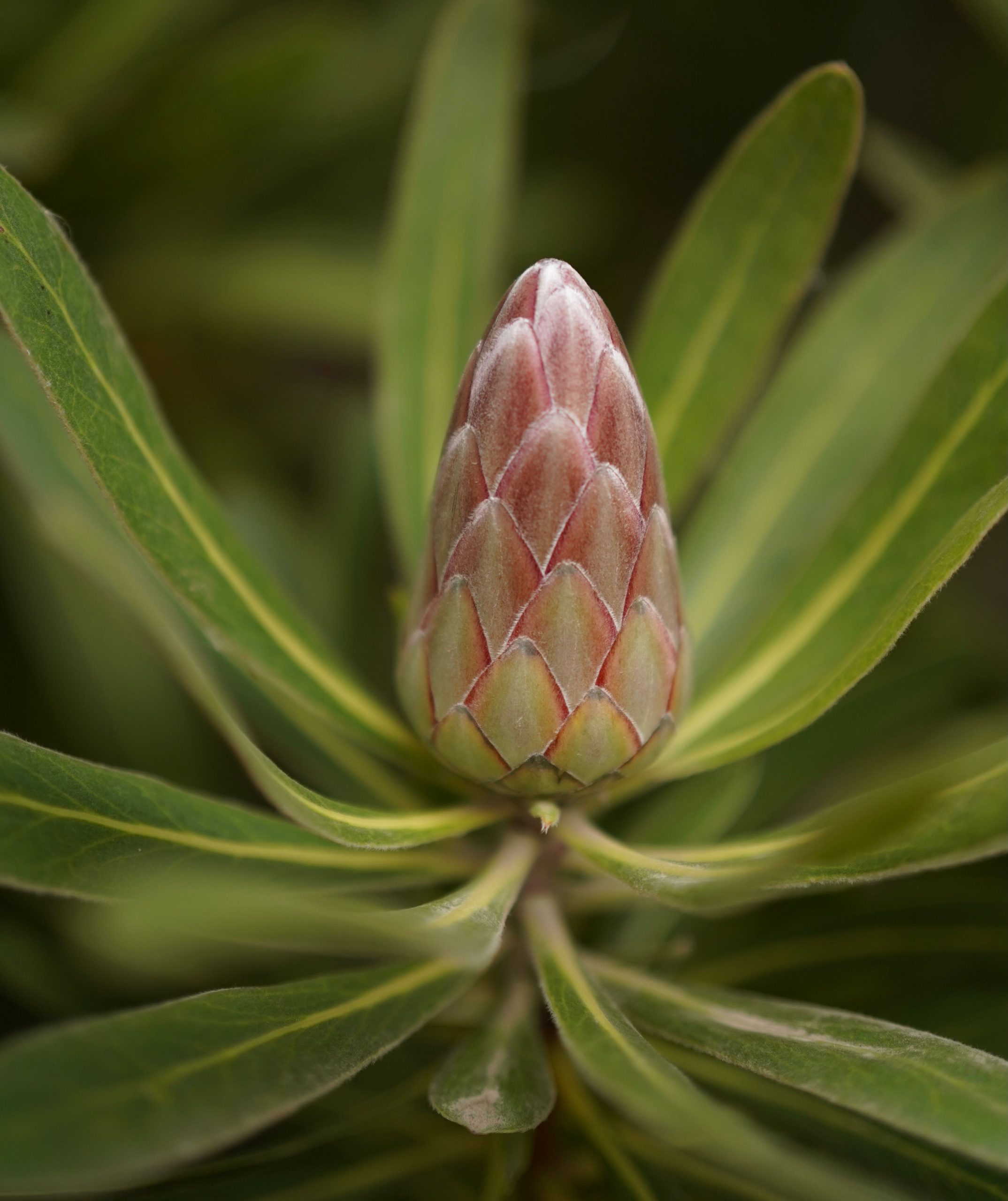
Image Credit: Pexels
Focus on well-drained soil
Good drainage is one of the most important requirements when growing proteas. Their roots do not cope well with waterlogged conditions, so avoid heavy clay soils or areas where water tends to collect.
If your garden’s soil drains poorly, consider planting proteas in a raised bed or improving drainage before planting. A slightly acidic, sandy or gritty soil is generally suitable.
Avoid overwatering your proteas
Although newly planted proteas need regular watering while they establish, established plants are relatively drought-tolerant. Overwatering can damage their roots and create conditions that encourage disease.
Water deeply when necessary, allowing the soil to dry between watering sessions rather than keeping it constantly wet. During particularly hot or dry periods, monitor young plants closely.
Be careful with fertiliser
Proteas have evolved to grow in relatively nutrient-poor soils, meaning they generally do not require heavy feeding. Excess fertiliser, particularly products high in phosphorus, can be harmful.
Instead of routinely adding strong fertilisers, concentrate on creating suitable soil conditions and following the specific requirements of the protea variety you are growing.
Prune at the right time
Regular pruning can help maintain the shape of your protea and encourage productive new growth. Once flowers have finished, remove spent blooms and tidy damaged or weak stems.
Avoid cutting too aggressively into old, woody growth unless you know that your variety responds well to hard pruning.
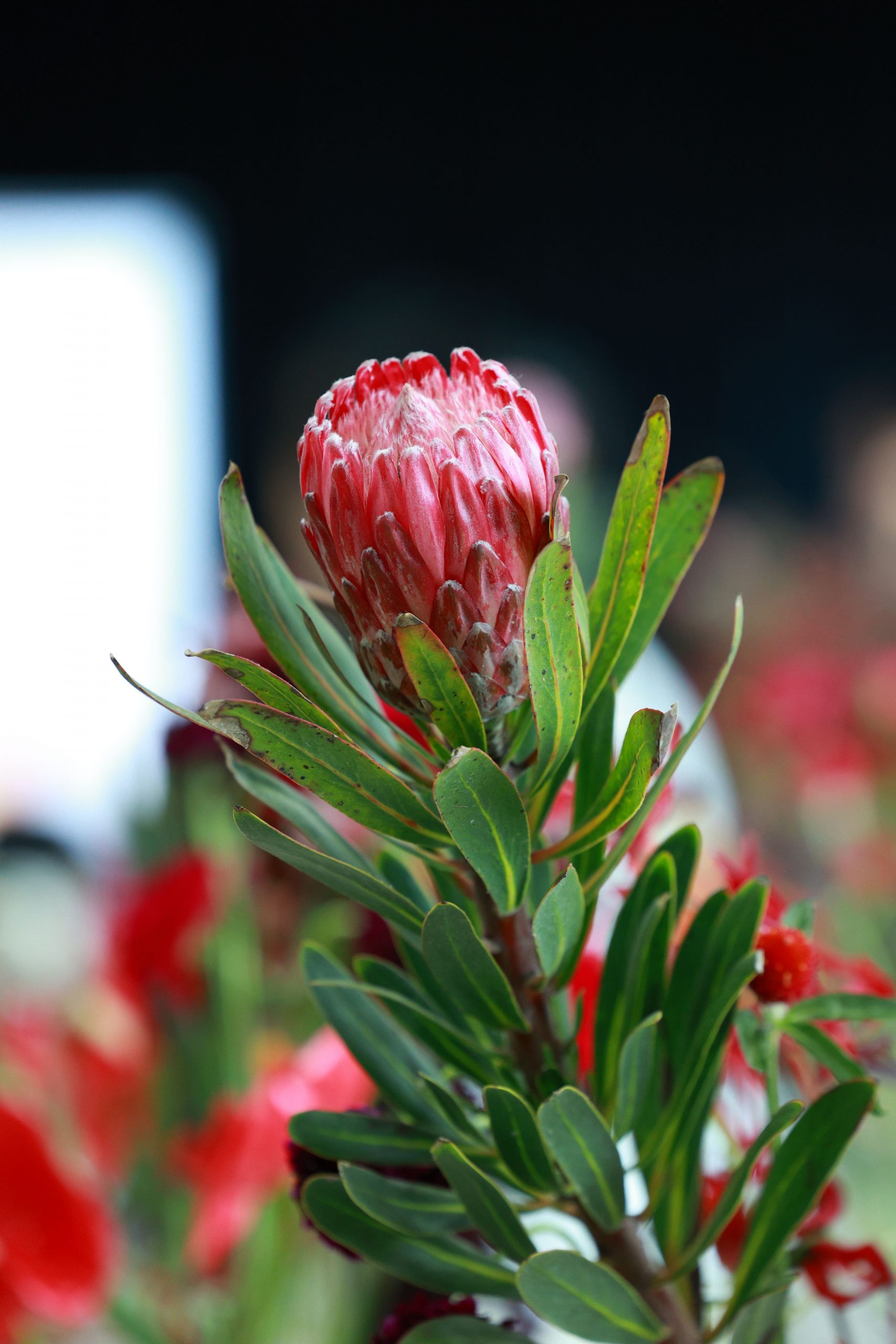
Image Credit: Pexels
With plenty of sunlight, excellent drainage, careful watering and minimal fertilising, proteas can become long-lasting features in the garden. The key is to work with their natural preferences rather than trying to treat them like plants that require rich soil and frequent watering.
ALSO SEE:
From planting to blooming: 3 easy ways to care for agapanthus
Feature Image: Pexels
