
 Chumasande Matiwane
Every gardener has faced the frustration of pests damaging healthy plants. While chemical pesticides may offer a quick solution, trap cropping is a natural and environmentally friendly technique that helps protect your vegetables, herbs and flowers by luring pests away from your main crops.
What are trap crops?
Trap crops are plants that are more attractive to certain insects than the crops you want to protect. By planting these “decoy” plants nearby, pests are encouraged to feed on them instead of your vegetables or flowers.
This method is commonly used in organic gardening and can help reduce pest damage while supporting a healthier garden ecosystem.
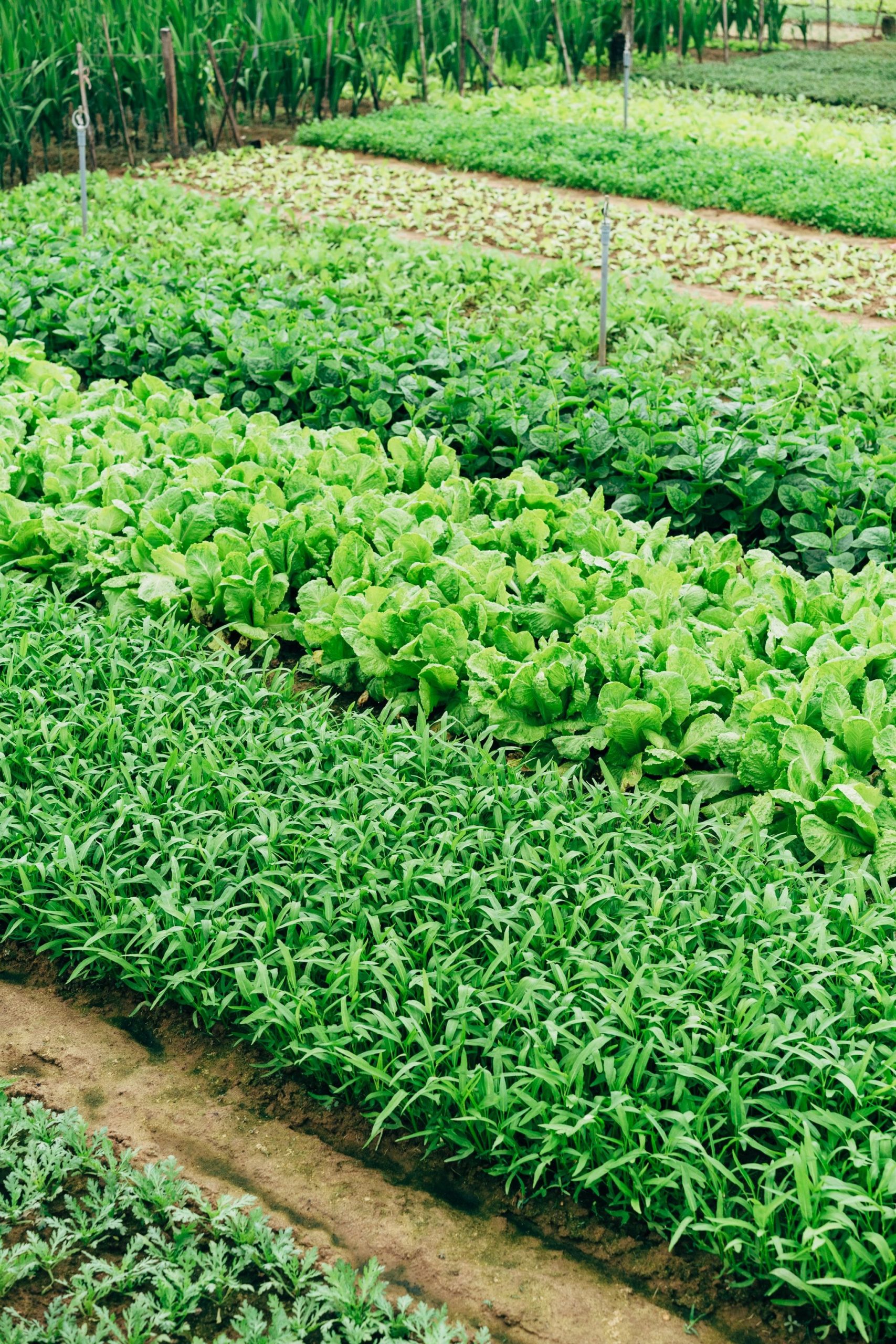
Image Credit: Pexels
Common trap crop pairings
Different pests are attracted to different plants. Some popular combinations include:
- Nasturtiums attract aphids away from vegetables and roses.
- Mustards can lure flea beetles away from brassicas like cabbage and broccoli.
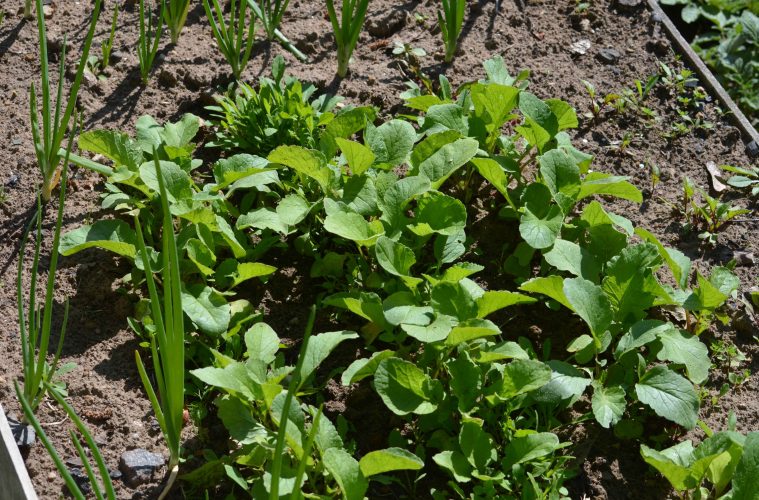
- Radishes are often used to attract flea beetles before they reach young leafy crops.
- Sunflowers can draw certain leaf-eating insects away from vegetables.
- Blue Hubbard squash is widely used to attract squash bugs and cucumber beetles instead of pumpkins and zucchini.
Benefits of trap cropping
Using trap crops offers several advantages:
- Reduces the need for chemical pesticides.
- Helps protect valuable fruit and vegetable crops.
- Supports beneficial insects and pollinators.
- Promotes a more balanced and sustainable garden ecosystem.
- Can improve overall harvest quality and yields.
The key to success with trap crops is knowing which pests you’re dealing with and what plants they prefer. With a little planning and regular observation, you can naturally reduce pest damage while creating a healthier environment for your plants, beneficial insects and wildlife.
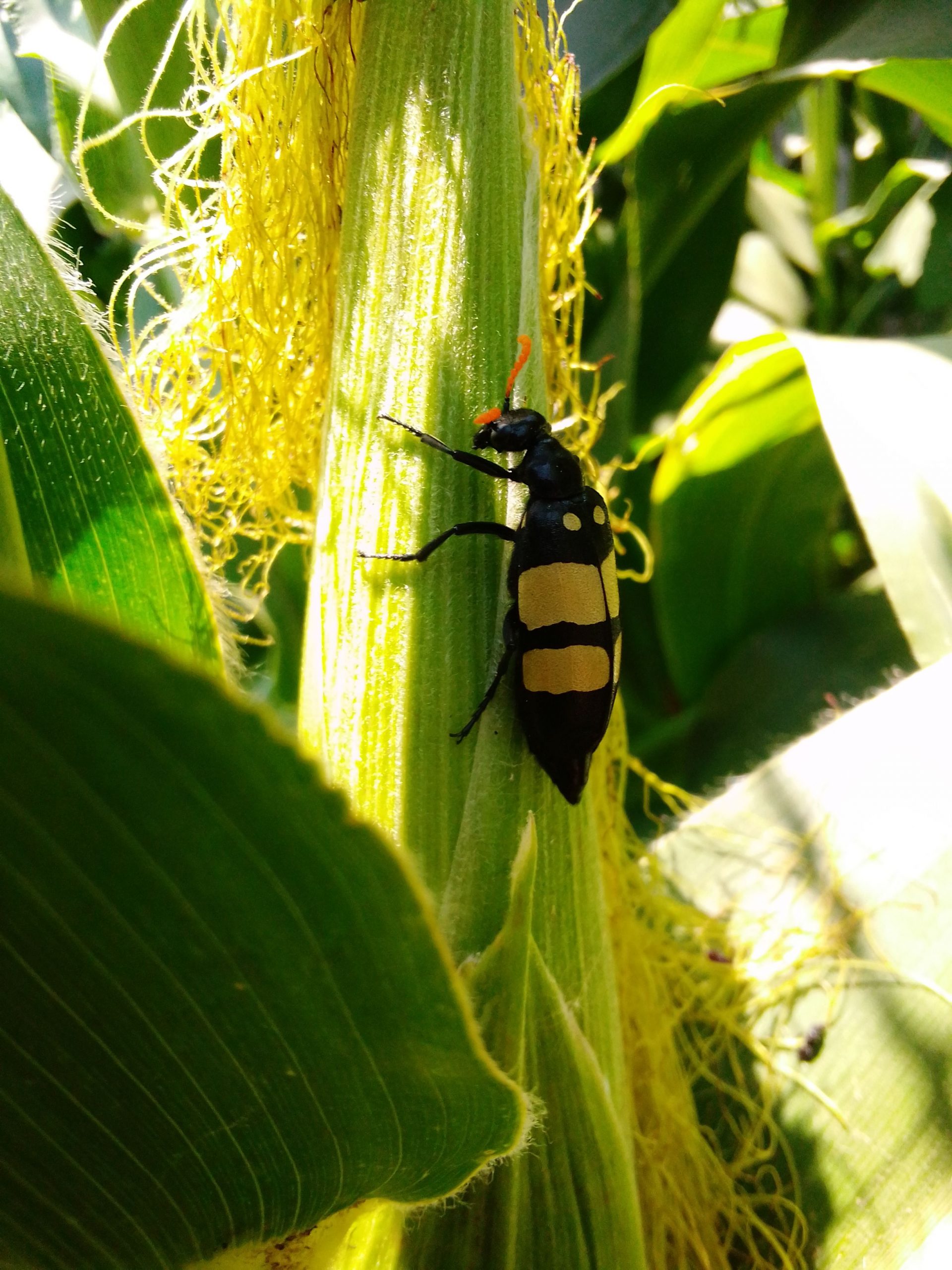
Image Credit: Pexels
ALSO SEE:
Feature Image: Pexels
