
 Chumasande Matiwane
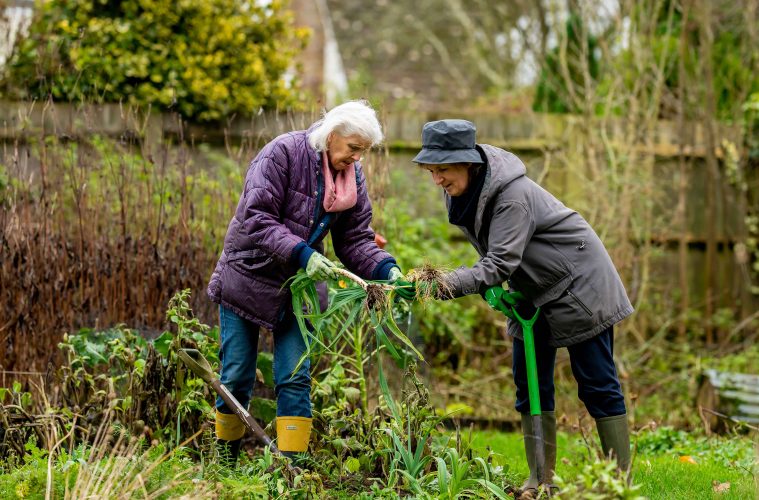
Winter is often seen as a quiet period in the garden, but it can actually be one of the most rewarding times to slow down and reconnect with your outdoor space. Slow gardening is about working with nature’s pace rather than rushing through seasonal tasks—and winter is the perfect time to embrace it.
What is slow gardening?
Slow gardening is a mindful, low-pressure approach to caring for your garden. Instead of focusing on constant upkeep or rapid transformation, it encourages observation, patience, and intentional action.
In winter, this means stepping back, letting the garden rest, and only doing what truly supports long-term health and balance. Winter naturally reduces growth in most plants, which means fewer tasks and less urgency. This creates space to:
- Observe how your garden behaves without interference
- Plan improvements without rushing decisions
- Focus on soil health and structure
- Appreciate natural textures, shapes, and seasonal changes
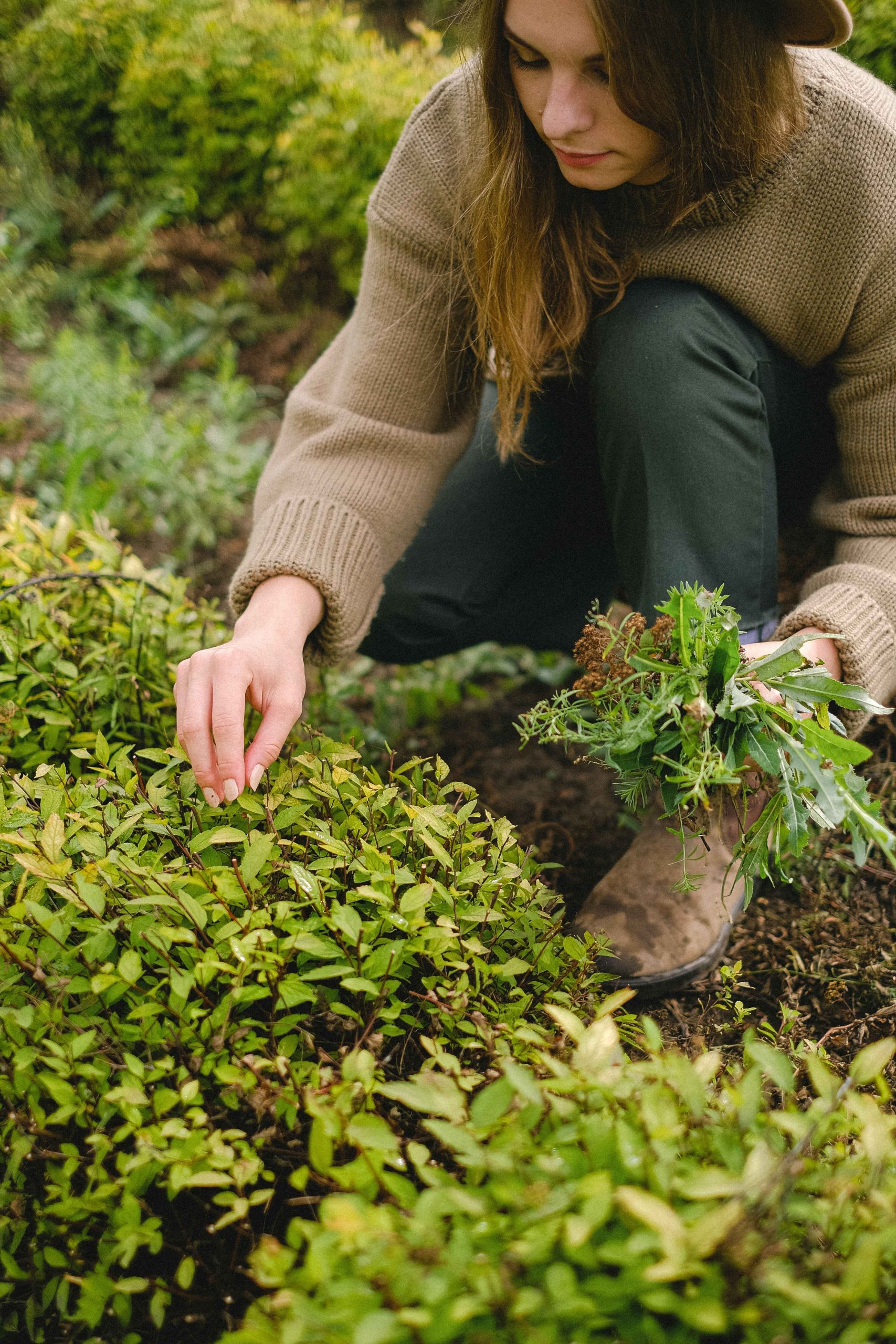
Image Credit: Pexels
Benefits of slow gardening in winter
Healthier soil over time
Winter is ideal for building soil health. Instead of digging constantly, you can add compost, mulch, and organic matter, allowing microbes and worms to do the hard work for you.
Less stress, more enjoyment
A slower approach removes the pressure of “perfect” gardens. You start to enjoy the process instead of treating it like a checklist.
Better garden planning
With fewer maintenance tasks, winter becomes the perfect time to rethink layout, plant placement, and future growth cycles.
Increased biodiversity
Leaving seed heads, fallen leaves, and natural debris supports insects, birds, and beneficial organisms that keep your garden balanced.
Sustainable gardening habits
Slow gardening reduces wasteful practices like overwatering, over-pruning, and unnecessary chemical use.
Slow gardening this winter is not about doing less—it’s about doing what matters most. By embracing patience and working with nature’s rhythm, your garden becomes not just a space to maintain, but a space to truly experience.
ALSO SEE:
Feature Image: Pexels
