
 Chumasande Matiwane
Plants add beauty to our gardens, homes, and outdoor spaces, but some of them can cause skin irritation when touched.
While many plants are harmless, certain species contain natural chemicals, oils, or sap that may trigger itching, redness, burning, or allergic reactions. Knowing which plants to handle with care can help you enjoy nature while protecting your skin.
Poison Ivy
Poison ivy is one of the most well-known plants that can cause skin irritation. It contains an oily substance called urushiol, which can lead to an itchy rash, swelling, and blisters after contact. The rash can appear even after touching clothing, tools, or pets that have brushed against the plant.
Safety tip: Learn to identify poison ivy and wear protective gloves when removing it from outdoor areas.
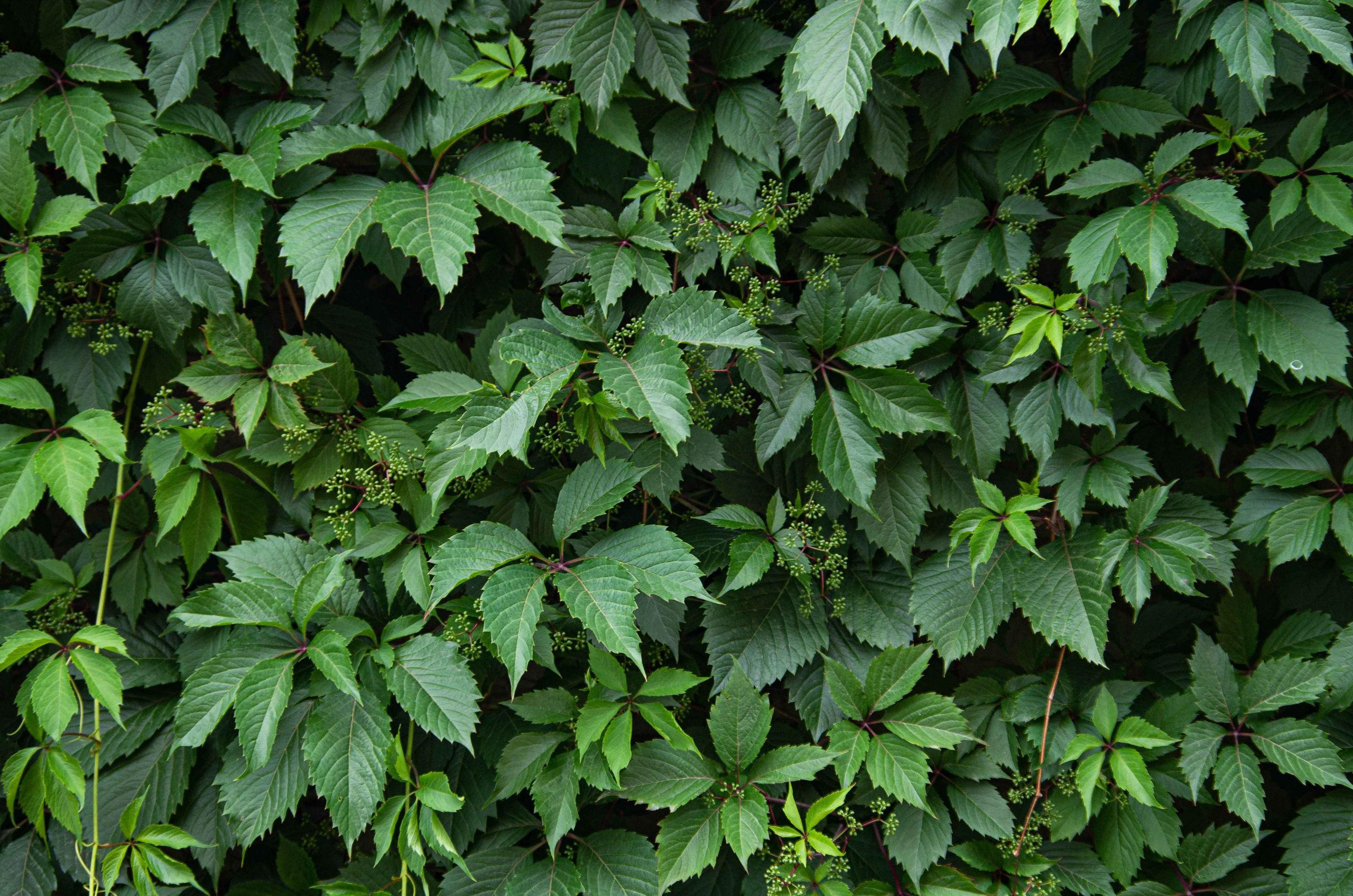
Image Credit: Pexels
Giant hogweed
Giant hogweed can cause serious skin reactions because its sap makes the skin extremely sensitive to sunlight. Contact followed by sun exposure may result in painful blisters and burns.
Safety tip: Do not touch giant hogweed. If you come into contact with it, wash the area thoroughly and keep it away from sunlight.
Stinging nettle
Stinging nettle may look like an ordinary leafy plant, but its tiny hairs can release chemicals that irritate the skin. A touch can cause a sharp stinging sensation, itching, redness, and small bumps that may last for several hours.
Safety tip: Avoid handling stinging nettles with bare hands. Long sleeves and gloves can provide protection when gardening.
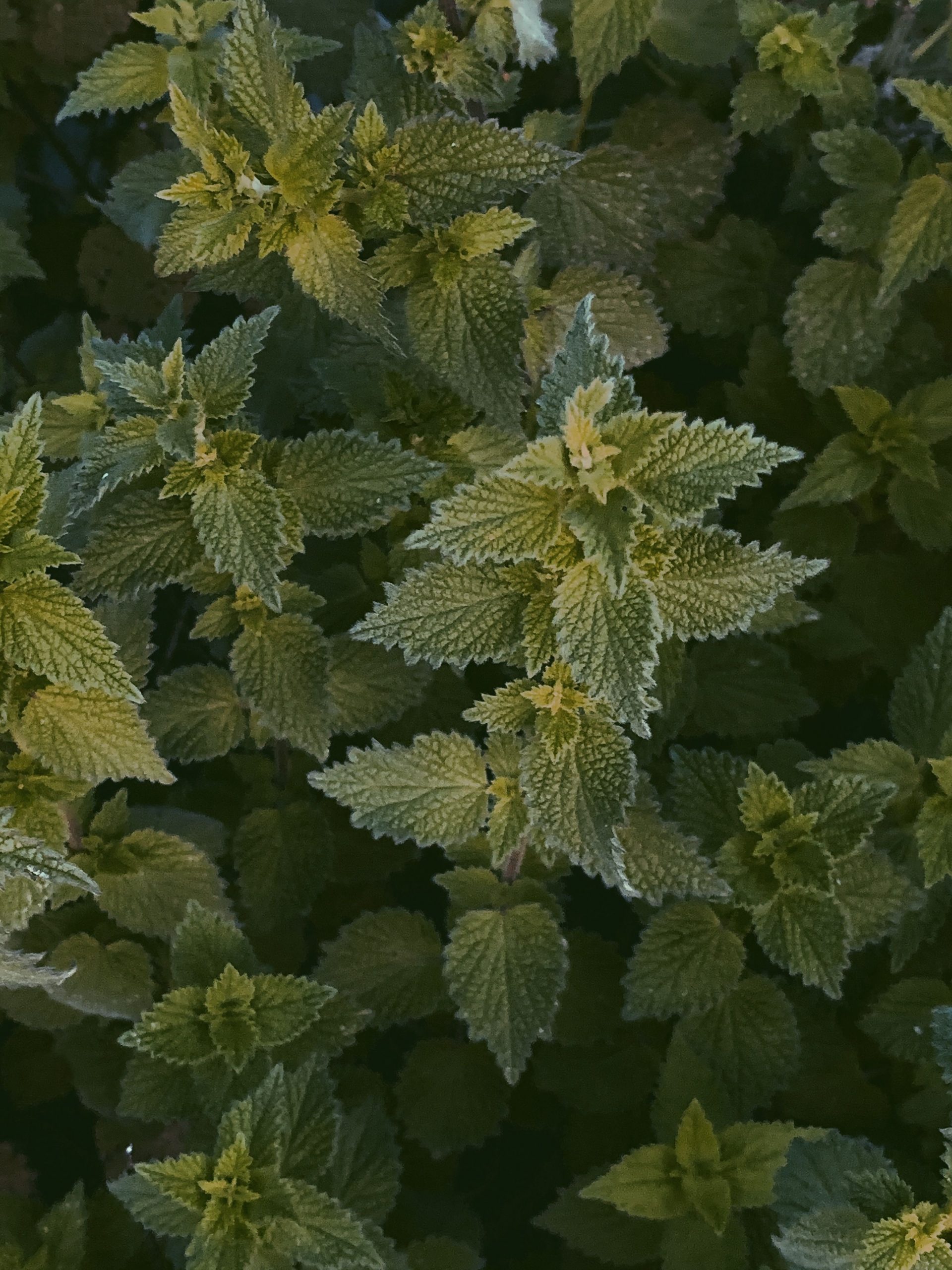
Image Credit: Pexels
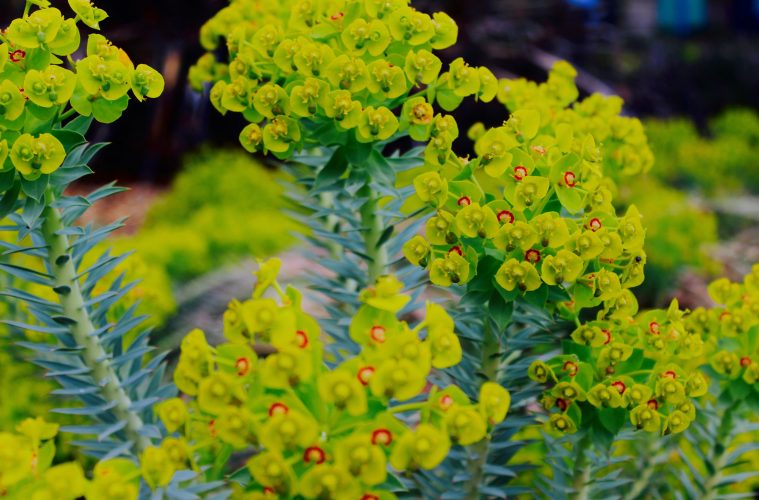
Euphorbia
Many plants in the Euphorbia family produce a milky sap that can irritate the skin. This sap may cause redness, itching, and inflammation, and it can be especially harmful if it gets into the eyes.
Safety tip: Wear gloves when pruning or handling euphorbia plants, and wash your hands afterwards.
Dieffenbachia
Dieffenbachia is a popular indoor plant, but its sap contains tiny crystals that can irritate the skin and mouth. Handling the plant may cause discomfort, and chewing its leaves can be dangerous, especially for children and pets.
Safety tip: Keep dieffenbachia away from small children and pets, and use gloves when caring for the plant.
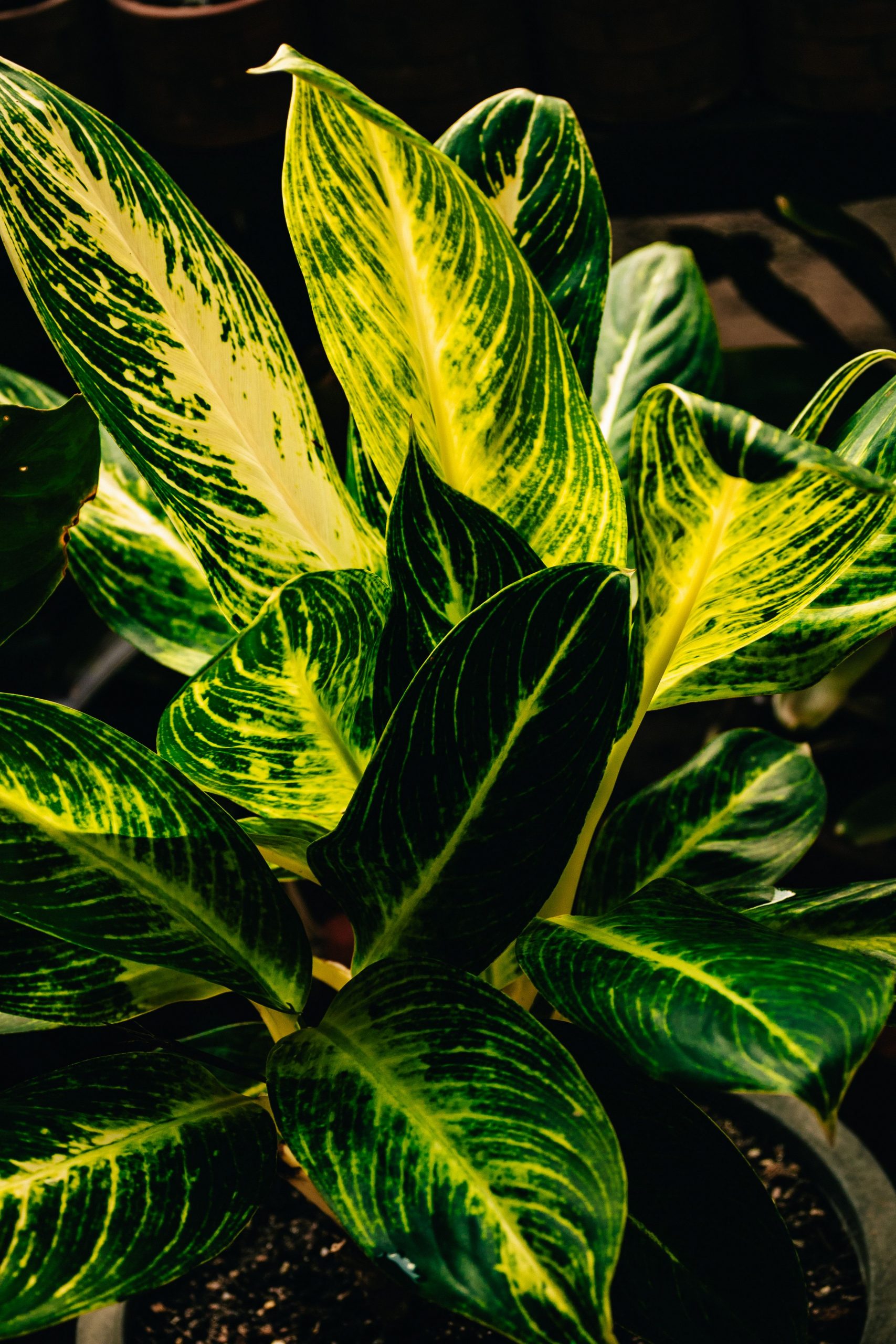
Image Credit: Pexels
Plants are an important part of our environment and can bring beauty, fresh air, and relaxation into our lives. By learning which plants may irritate your skin and taking simple precautions, you can safely enjoy gardening and exploring the outdoors.
A little awareness—such as wearing gloves, washing your hands after gardening, and avoiding unknown plants—can help prevent uncomfortable skin reactions.
ALSO SEE:
Feature Image: Pexels
