
 Bianca Muller
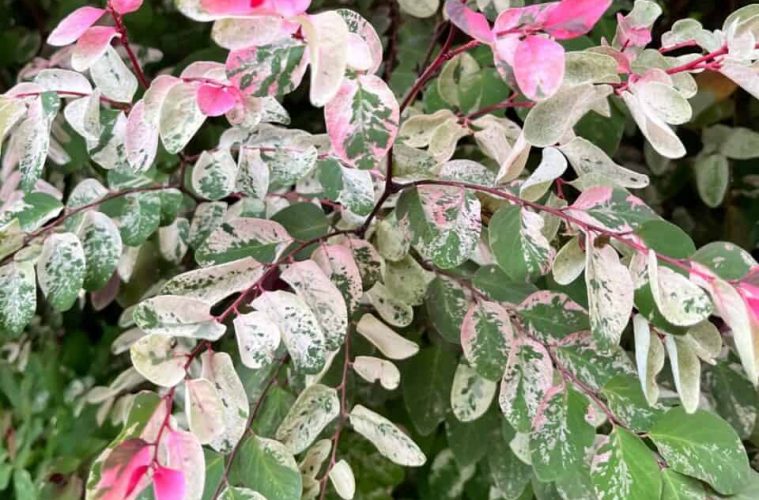
Some garden plants impress with spectacular flowers, while others earn their place through year-round reliability. The ice cream bush (Canthium inerme) manages to do both. This attractive indigenous shrub or small tree is loved for its glossy evergreen leaves. Despite its charming common name, the ice cream bush isn’t named because it produces frozen treats. Rather, the masses of creamy-white leaves are said to resemble the colour and scent of vanilla ice cream.
What is an ice cream bush?
The ice cream bush is indigenous to southern Africa and naturally occurs across much of South Africa, particularly in coastal forests, forest margins, riverine areas and evergreen thickets. It can be found growing naturally in parts of the Eastern Cape, Western Cape, KwaZulu-Natal, Limpopo and Mpumalanga, as well as neighbouring countries including Mozambique, Eswatini and Zimbabwe.
Depending on growing conditions, it may develop as a dense shrub around 2 to 4 metres tall or mature into a graceful tree reaching 8 to 12 metres.
One of our own
One of the biggest advantages of growing an ice cream bush is that it is indigenous to South Africa. Indigenous plants are generally well adapted to local climates and often require less water and maintenance once established than many exotic ornamentals. They also play an important role in supporting local wildlife.
Growing conditions
One reason this plant is becoming increasingly popular is its adaptability.
Sunlight
The ice cream bush grows well in:
- Full sun
- Partial shade
- Bright filtered light
In hotter inland regions, some afternoon shade helps keep foliage looking fresh.
Soil
It performs best in:
- Well-drained soil
- Compost-rich garden beds
- Slightly acidic to neutral soils
However, once established it tolerates a wide variety of soil types, provided they don’t remain waterlogged.
Water
Young plants appreciate regular watering while establishing.
Once mature, the ice cream bush becomes moderately drought tolerant, although occasional deep watering during prolonged dry spells keeps it looking its best.
How fast does it grow?
Growth is considered moderate.
Under favourable conditions with compost, regular watering and sunshine, young plants can establish relatively quickly during their first few years before slowing as they mature.
Annual feeding with compost or an organic slow-release fertiliser encourages healthy growth.
Can it be pruned?
Yes. The ice cream bush responds very well to pruning.
This makes it suitable for:
- Informal hedges
- Privacy screens
- Feature shrubs
- Small garden trees
- Shaped topiary specimens
Prune lightly after flowering to maintain the desired shape while preserving the following season’s flower buds.
Can it grow in pots?
Yes, especially while young.
Choose:
- A large container with drainage holes
- Good-quality potting mix
- Regular watering during hot weather
Container-grown plants benefit from occasional feeding with slow-release fertiliser and may require repotting every few years.
Common problems
The ice cream bush is generally trouble-free.
Occasionally you may notice:
- Scale insects
- Aphids on fresh growth
- Sooty mould developing after sap-sucking insects
These problems are usually minor and can often be controlled by encouraging beneficial insects or using horticultural soap if necessary. Root rot can occur if plants remain in poorly drained, waterlogged soil.
Landscaping ideas
Because of its versatility, the ice cream bush works beautifully in many South African gardens.
Consider planting it:
- Along boundary walls as an evergreen screen
- Near patios where the fragrant flowers can be enjoyed
- In wildlife-friendly indigenous gardens
- As part of a mixed shrub border
- Under taller trees in woodland-style gardens
- As a small feature tree in compact spaces
Its glossy foliage pairs beautifully with indigenous grasses, aloes, wild irises and flowering shrubs.
ALSO SEE: How to grow a thriving bougainvillea
Feature image: Tulbagh Nursery
