
 Bianca Muller
Few plants scream “summer” quite like bougainvillea. Whether it’s spilling over a garden wall in Cape Town, brightening a Durban courtyard or climbing a pergola in the Karoo, this hardy plant rewards gardeners with masses of vibrant bracts in shades of pink, purple, orange, red, white and even apricot.
Once established, bougainvillea is surprisingly low-maintenance. However, if your plant is all leaves and no flowers, looking leggy, or struggling to thrive, a few simple adjustments can make all the difference.
Here’s everything you need to know about bougainvillea care in South Africa, from watering and soil requirements to pruning and troubleshooting.
Understanding bougainvillea
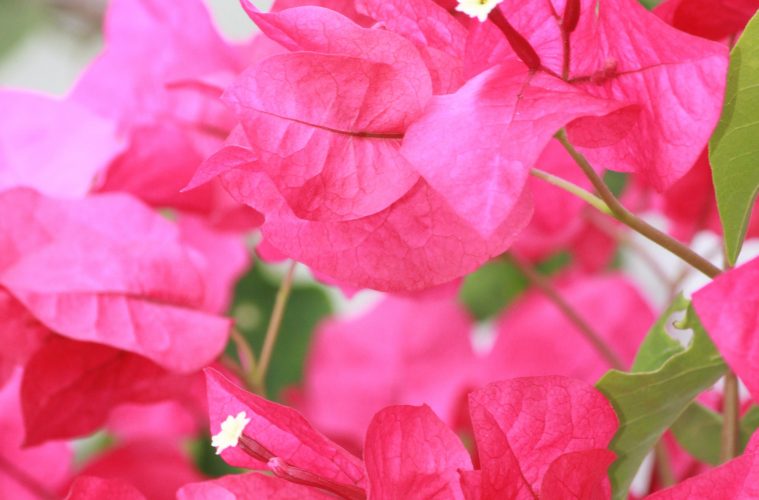
Before diving into care tips, it’s worth knowing that the colourful parts we admire aren’t actually flowers. The vibrant paper-like structures are modified leaves called bracts. The true flowers are the small white blooms nestled in the centre.
Native to South America, bougainvillea thrives in warm, sunny climates and has adapted well to many parts of South Africa. It’s particularly suited to Mediterranean, coastal and semi-arid regions where sunshine is plentiful.
The golden rule: bougainvillea loves sunshine
If there’s one thing bougainvillea demands, it’s sun. For the best flowering display, your plant needs at least six hours of direct sunlight daily, although eight or more hours is ideal. Plants grown in partial shade often produce plenty of foliage but far fewer flowers. If your bougainvillea isn’t blooming, lack of sunlight is often the first culprit to investigate.
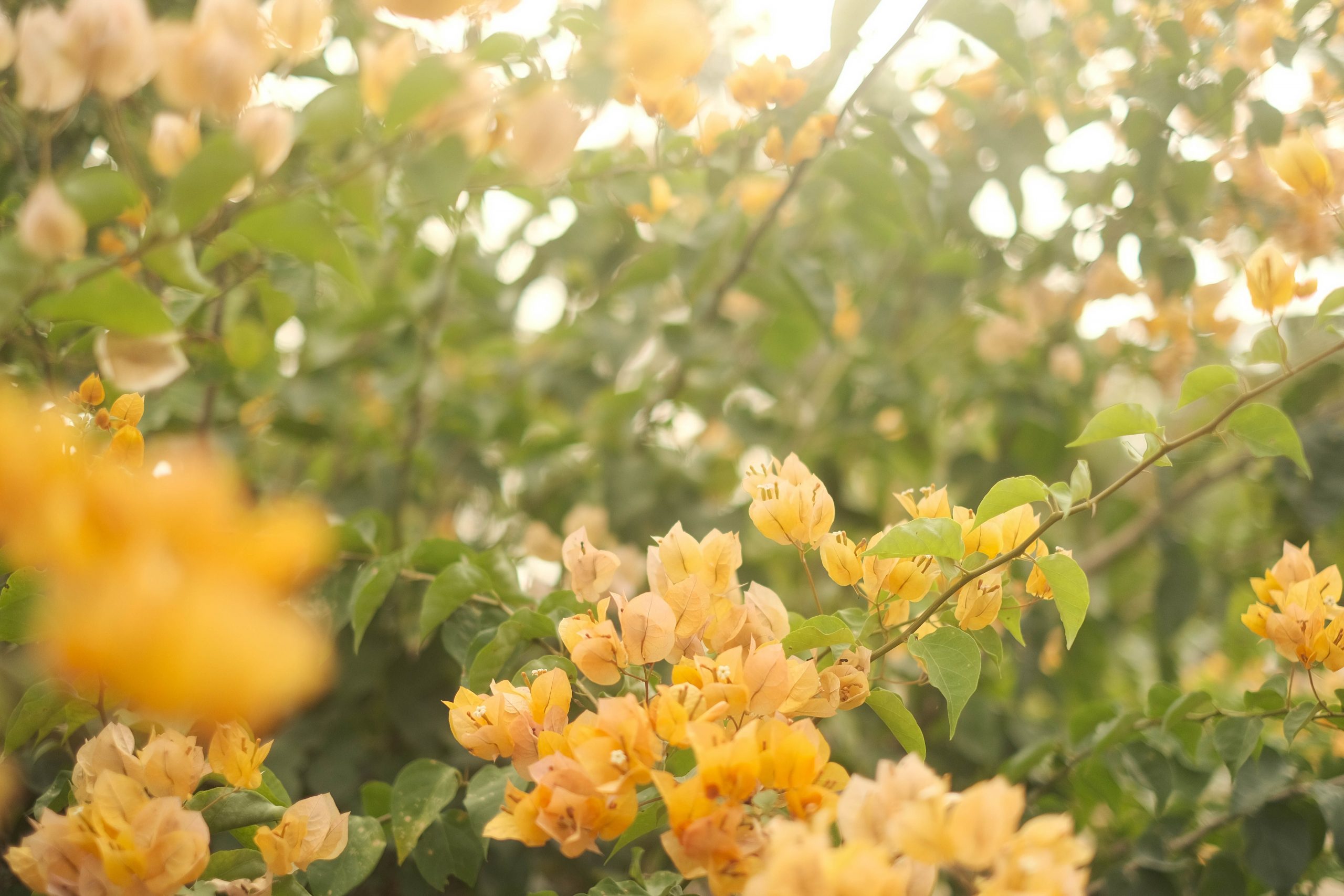
Photo: Pexels
The best soil for bougainvillea
Bougainvillea dislikes heavy, waterlogged soil and thrives in well-draining conditions.
Ideal soil should be:
- Well-draining
- Slightly acidic to neutral
- Moderately fertile
- Loose enough to prevent waterlogging
If you’re planting into clay-heavy soil, improve drainage by incorporating compost and coarse river sand. Raised beds can also help prevent roots from sitting in soggy conditions during rainy periods.
Contrary to what many gardeners assume, overly rich soil can actually reduce flowering. Excess nutrients encourage leaf growth at the expense of blooms.
How often should you water bougainvillea?
One of the most common mistakes gardeners make is overwatering.
Newly planted bougainvilleas
During the first growing season, water deeply once or twice a week, depending on rainfall and temperatures. The goal is to help the roots establish while allowing the soil to dry slightly between waterings.
Established bougainvilleas
Once established, bougainvillea becomes relatively drought tolerant.
In most South African regions:
- Water deeply every one to three weeks during summer.
- Reduce watering significantly during cooler months.
- Allow the soil to dry between waterings.
Bougainvillea actually flowers better when subjected to mild periods of dryness. Constantly moist soil often leads to vigorous leafy growth and fewer blooms.
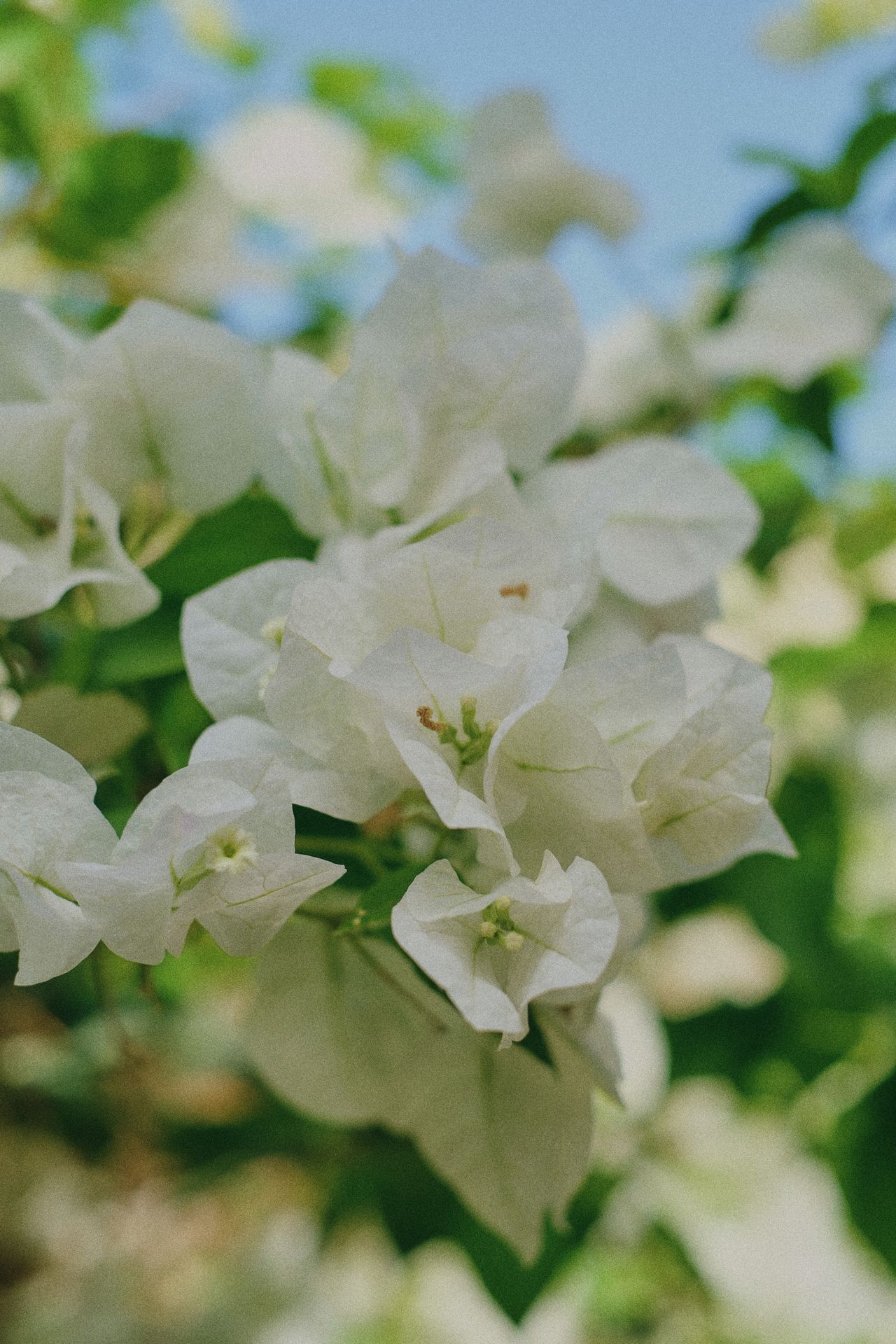
Photo: Pexels
Watering by region
Winter-rainfall areas
In regions such as the Western Cape, established plants may need very little supplemental watering during winter. Summer watering will remain important during prolonged dry spells.
Summer-rainfall areas
In Gauteng, Mpumalanga, Limpopo and parts of KwaZulu-Natal, adjust watering according to seasonal rains and ensure excellent drainage during heavy downpours.
Arid and semi-arid regions
In the Karoo and Northern Cape, deep but infrequent watering works best. Mulching around the root zone can help retain moisture.
The best fertiliser for bougainvillea
Less is often more when feeding bougainvillea. A balanced fertiliser applied during spring and summer can encourage healthy growth, but avoid high-nitrogen products. Look for fertilisers that support flowering, with a slightly higher phosphorus and potassium content.
Feed every four to six weeks during active growth if necessary, but don’t overdo it.
When to prune bougainvillea
Pruning is essential for maintaining shape, encouraging branching and promoting abundant flowering.
The best time to prune depends on your region and climate, but generally:
Main pruning
Prune after the major flowering flush has finished.
For most South African gardens, this is typically:
- Late summer to early autumn
- Or immediately after a significant flowering cycle
Light maintenance pruning
Throughout the growing season, remove:
- Dead wood
- Damaged branches
- Excessively long shoots
- Unwanted growth
Regular light trimming encourages new flowering stems.
How to prune bougainvillea properly
Before you begin, put on gloves. Bougainvillea thorns are no joke.
Step 1
Remove dead, diseased or damaged growth.
Step 2
Cut back long, unruly stems to maintain the desired shape.
Step 3
Thin crowded sections to improve airflow and light penetration.
Step 4
Pinch back soft new growth occasionally to encourage branching and a fuller appearance.
Avoid severe pruning during winter in frost-prone areas, as new growth can be damaged by cold temperatures.
Growing bougainvillea in pots
Bougainvillea performs exceptionally well in containers and often flowers even more prolifically when slightly root-bound.
For container-grown plants:
- Choose a large pot with drainage holes.
- Use a free-draining potting mix.
- Position in full sun.
- Water when the soil becomes dry.
- Avoid unnecessarily repotting.
Many gardeners find that bougainvillea blooms best when its roots are slightly restricted.
Can bougainvillea tolerate frost?
Mature bougainvillea can survive light frost, but prolonged freezing temperatures may damage or kill growth.
In colder inland regions:
- Plant against a warm north-facing wall.
- Use mulch around the base.
- Protect young plants during winter.
- Consider growing in containers that can be moved to sheltered areas.
Coastal and subtropical regions generally experience few frost-related issues.
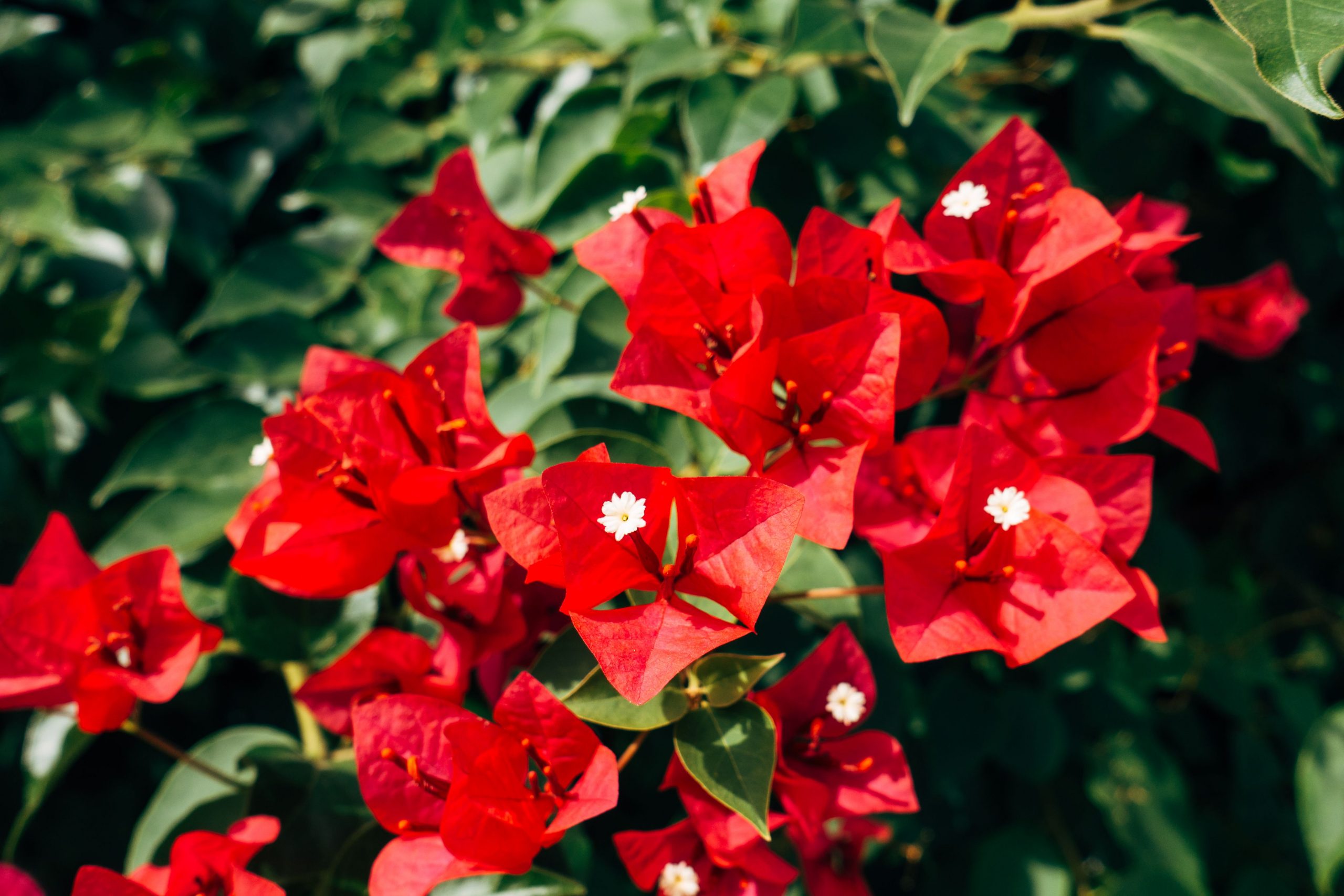
Photo: Pexels
Why is my bougainvillea not flowering?
This is one of the most frequently asked questions among gardeners.
Common causes include:
Too much shade
Bougainvillea requires abundant sunlight to bloom.
Excess watering
Constant moisture encourages foliage rather than flowers.
Too much fertiliser
Particularly fertilisers high in nitrogen.
Excessive pruning
Pruning at the wrong time may remove flowering wood.
Young plants
Some newly planted specimens take time to settle before producing abundant blooms.
Common bougainvillea problems
Yellow leaves
Usually caused by:
- Overwatering
- Poor drainage
- Nutrient deficiencies
Leaf drop
May occur due to:
- Sudden temperature changes
- Overwatering
- Underwatering
- Relocation stress
Few flowers
Typically linked to:
- Insufficient sunlight
- Excess water
- Excess fertiliser
Root rot
Almost always the result of poorly draining soil or excessive watering.
Can you grow bougainvillea from cuttings?
Yes, and it’s one of the easiest ways to propagate new plants.
Take semi-hardwood cuttings during the warmer months:
- Cut a healthy stem about 10–15cm long.
- Remove lower leaves.
- Dip in rooting hormone if available.
- Place into a free-draining propagation mix.
- Keep lightly moist but not wet.
- Position in bright indirect light until roots develop.
What to do with an overgrown bougainvillea
Older bougainvilleas can become dense, tangled and woody.
If your plant has outgrown its space:
- Remove dead and crossing branches.
- Thin congested growth gradually.
- Reduce height over several pruning sessions.
- Avoid removing more than one-third of the plant at a time.
ALSO SEE: Container orchard guide: grow fruit trees in pots
