

 Chumasande Matiwane
As temperatures drop and much of the garden settles into dormancy, South Africa’s winter landscape comes alive in a surprisingly vibrant way.
Winter-flowering aloes and proteas offer bold colour, nectar-rich blooms, and architectural beauty when many other plants are at their quietest.
Beyond their ornamental value, these indigenous plants provide a crucial food source for sunbirds, bees, and other pollinators during the colder months. These are some of the 5 best flowering proteas and aloes to look out for.
1. Cape Aloe
Few plants announce winter’s arrival quite like the Cape Aloe. Rising dramatically above the landscape, its tall candelabra-like flower spikes blaze in shades of orange, red, and occasionally yellow from late autumn through winter.
Native to the Eastern and Western Cape, Cape Aloe thrives in harsh conditions and can be seen flowering across hillsides and rocky outcrops. The nectar-rich blooms attract flocks of sunbirds, creating lively displays of movement and colour.
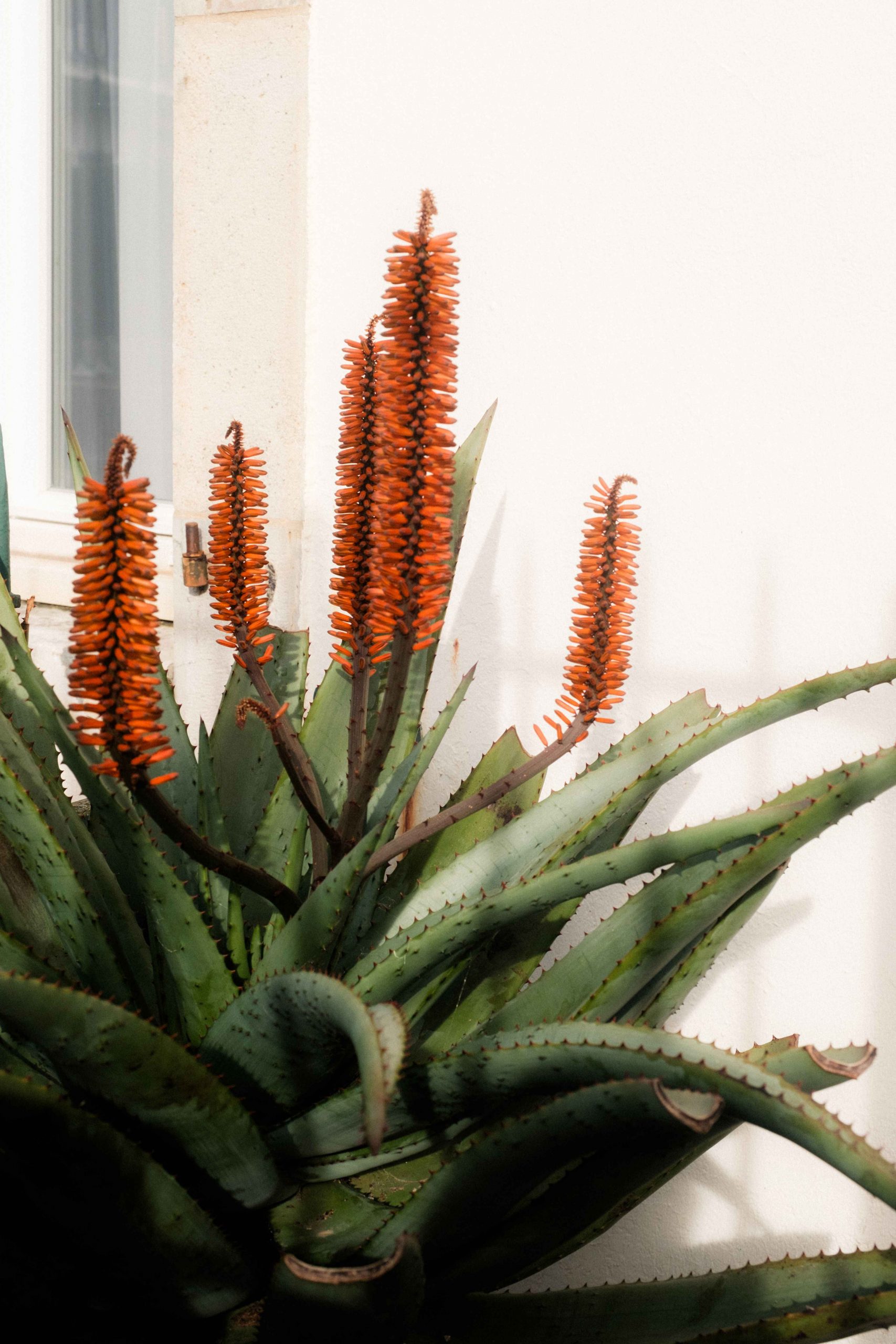
Image Credit: Pexels
2. Fan Aloe
Distinctive and sculptural, the Fan Aloe is unlike any other aloe species. Its leaves grow in elegant, fan-shaped arrangements at the ends of smooth grey branches, creating a silhouette that is instantly recognisable.
During winter, striking red tubular flowers emerge above the foliage, contrasting beautifully against the muted colours of the season. Endemic to the Cape Fold Mountains, this species is particularly associated with rocky sandstone slopes.
3. King Protea
As South Africa’s national flower, the King Protea needs little introduction. Yet seeing one in bloom during winter remains a remarkable experience.
The enormous flower heads—often larger than a dinner plate—feature layers of pink, cream, or deep crimson bracts surrounding a central dome of flowers. Found across mountainous regions of the Cape Floristic Region, the King Protea thrives in nutrient-poor soils and fire-adapted ecosystems.
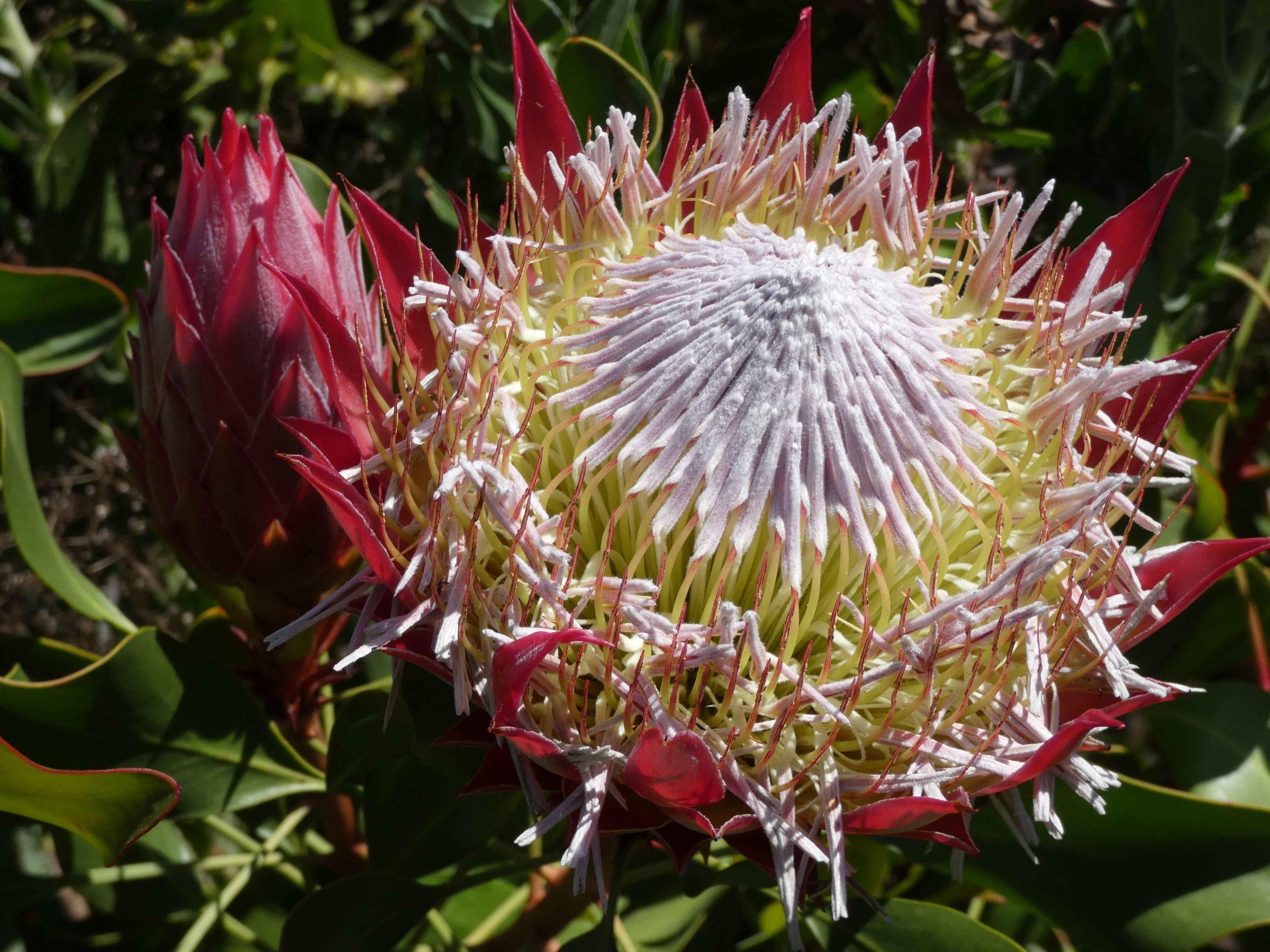
Image Credit: Pexels
4. Common Sugarbush
One of the most widespread and adaptable proteas, the Common Sugarbush produces abundant flowering heads throughout winter and into spring.
Its blooms range from creamy white to deep pink and are rich in nectar, historically harvested as a sweet syrup known as “bossiestroop.” In the wild, these flowers attract a host of bird species, particularly sugarbirds and sunbirds, which play a vital role in pollination. Growing naturally across the Cape’s fynbos landscapes, Protea repens demonstrates how winter gardens can be every bit as colourful and ecologically valuable as their summer counterparts.
5. Tree Aloe
The largest aloe species in southern Africa, the Tree Aloe combines grandeur with seasonal beauty. Mature specimens develop massive branching crowns that can tower above surrounding vegetation.
In winter, clusters of salmon-pink flowers appear at the branch tips, creating a spectacular display that draws pollinators from far and wide. While naturally occurring in warmer eastern regions of South Africa, it has become a treasured feature in botanical gardens and large landscapes across the country.
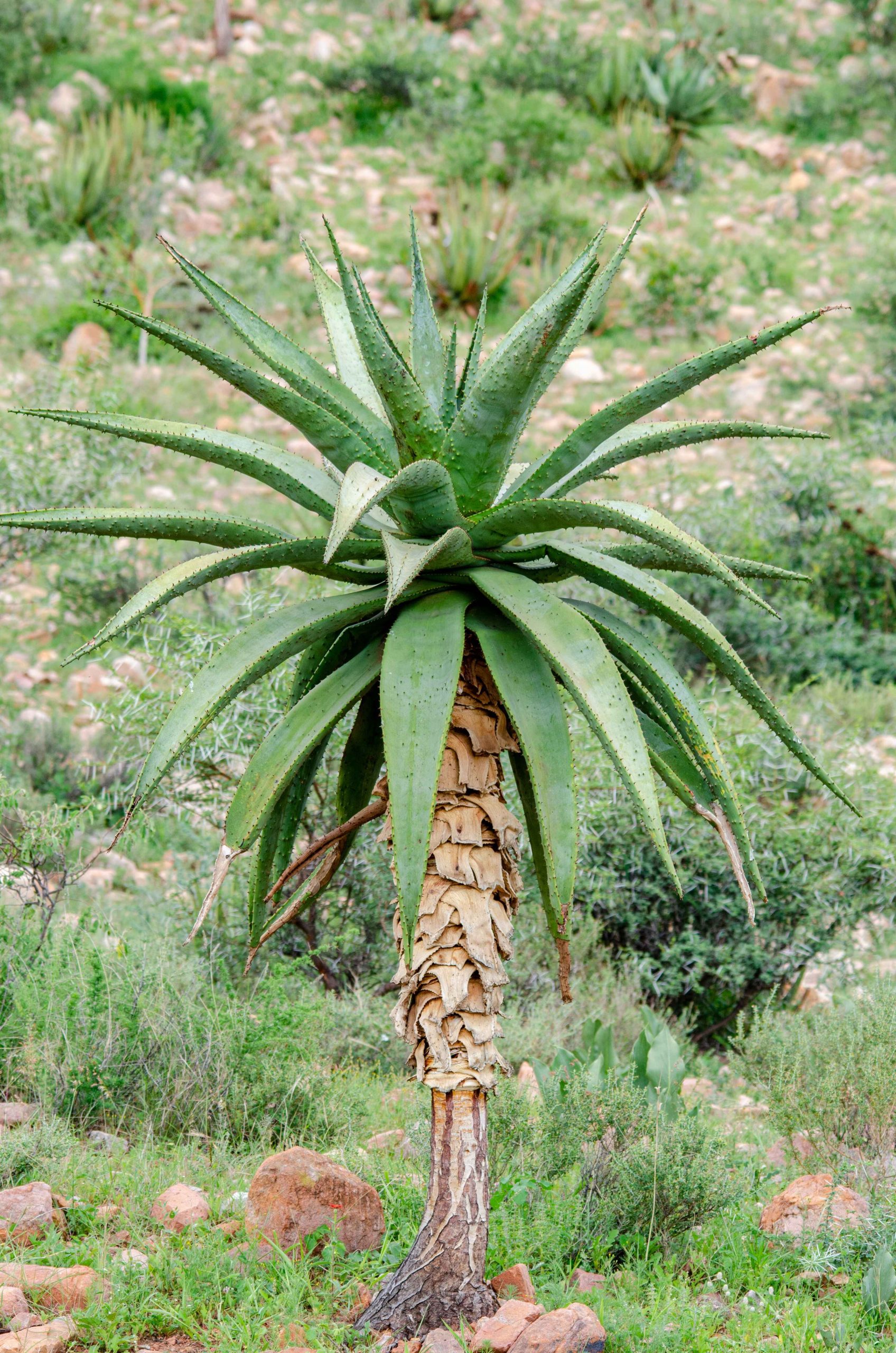
Image Credit: Pexels
ALSO SEE:
Feature Image: Pexels
