

 Chumasande Matiwane
Winter may slow down plant growth, but it doesn’t mean your garden has to stop thriving. The colder months provide the perfect opportunity to transform everyday kitchen scraps into nutrient-rich compost that will nourish your garden when spring arrives.
So instead of throwing food waste, you can turn it into “garden gold” while reducing household waste and improving soil health.
Why compost in winter?
Many gardeners think composting is only for warmer months, but composting can continue throughout winter. Although it may slow in colder temperatures, organic materials still break down over time. Starting or maintaining a compost pile during winter means you’ll have valuable compost ready to enrich your soil when the growing season returns.
What kitchen waste can be composted?
There is a variety of kitchen scraps that can be added to your compost pile or bin, including:
- Fruit and vegetable peels
- Coffee grounds
- Crushed eggshells
- Stale bread and grains
- Vegetable trimmings
- Nut shells
Avoid adding meat, dairy products, oily foods, and cooked leftovers, as these can attract pests and create unpleasant odours.
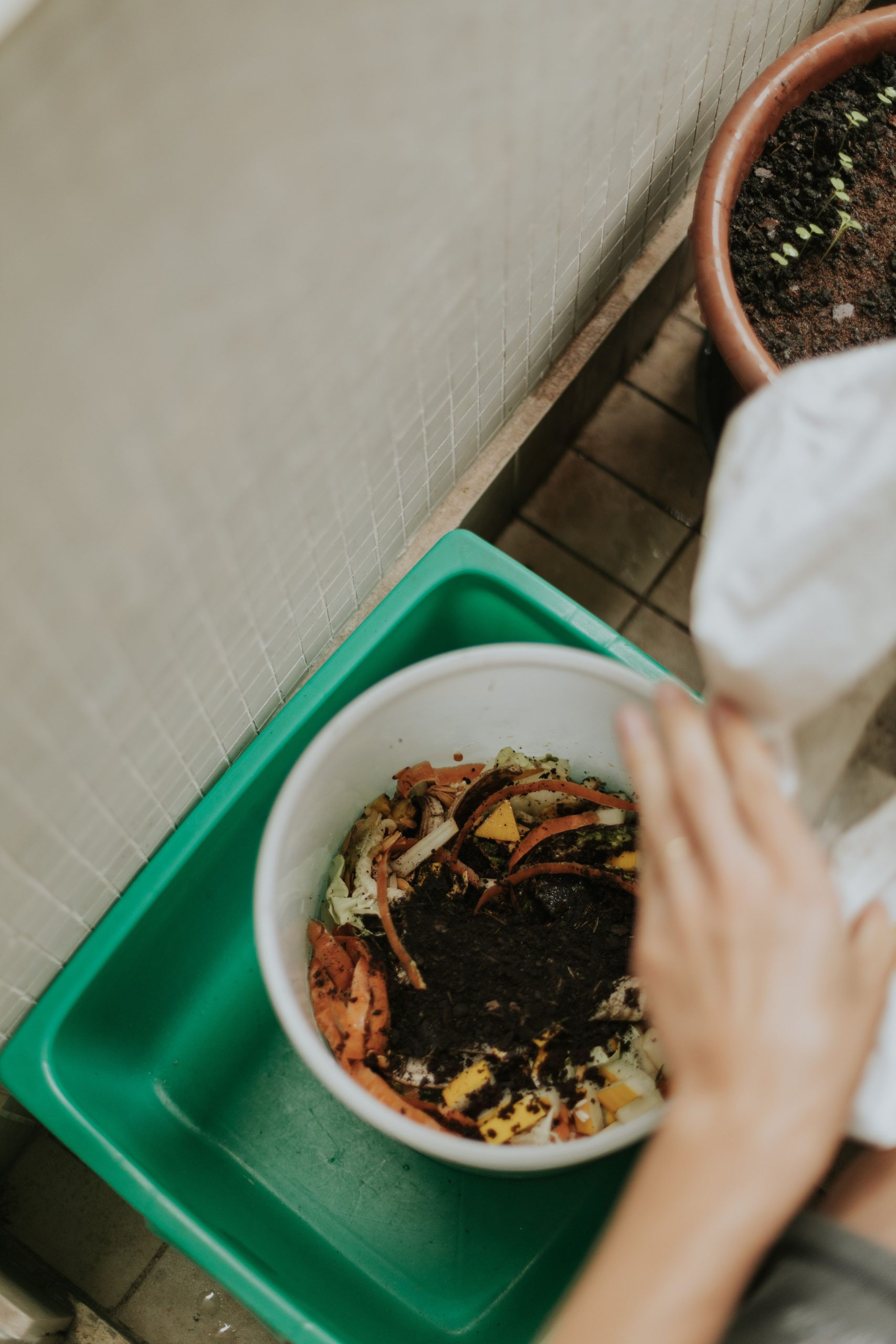
Image Credit: Pexels
The secret to successful composting
Good compost requires a balance of “greens” and “browns.”
Greens are nitrogen-rich materials such as:
- Fruit and vegetable scraps
- Coffee grounds
- Fresh plant cuttings
Browns are carbon-rich materials, such as:
- Dry leaves
- Straw
- Shredded newspaper
- Cardboard
- Small twigs
Aim for roughly two to three parts brown for every one part green material. This balance helps microorganisms break down waste efficiently while preventing the pile from becoming too wet or smelly.
By composting kitchen waste this winter, you’re investing in next season’s garden while helping the environment. What may seem like scraps today can become one of the most valuable resources in your garden tomorrow.
ALSO SEE:
Feature Image: Pexels
