
 Bianca Muller
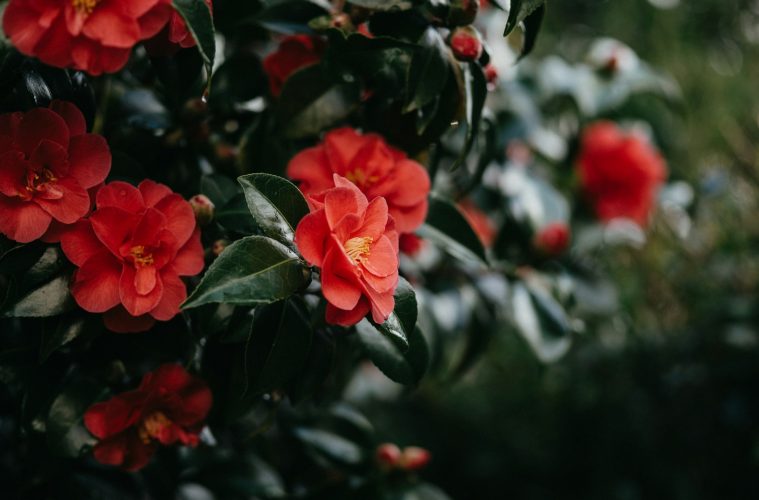
When much of the garden is taking a well-earned winter break, camellias quietly step into the spotlight. Their glossy evergreen leaves stay handsome all year, but it’s in the cooler months that they truly earn their place, producing blooms in shades of white, blush pink, deep rose and rich red.
If you’re looking to brighten a South African winter garden, few shrubs put on a display quite like the camellia.
Why camellias are winter favourites
Native to eastern Asia, camellias (Camellia japonica and Camellia sasanqua are the most commonly grown species) have become much-loved ornamentals across South Africa, particularly in regions with cooler winters and moderate summers.
Unlike many flowering shrubs that wait for spring, camellias begin blooming from late autumn through winter and into early spring, depending on the variety. Their flowers range from simple single blooms to perfectly layered doubles that almost resemble roses or peonies.
Best of all, their evergreen foliage keeps gardens looking lush long after the flowers have faded.
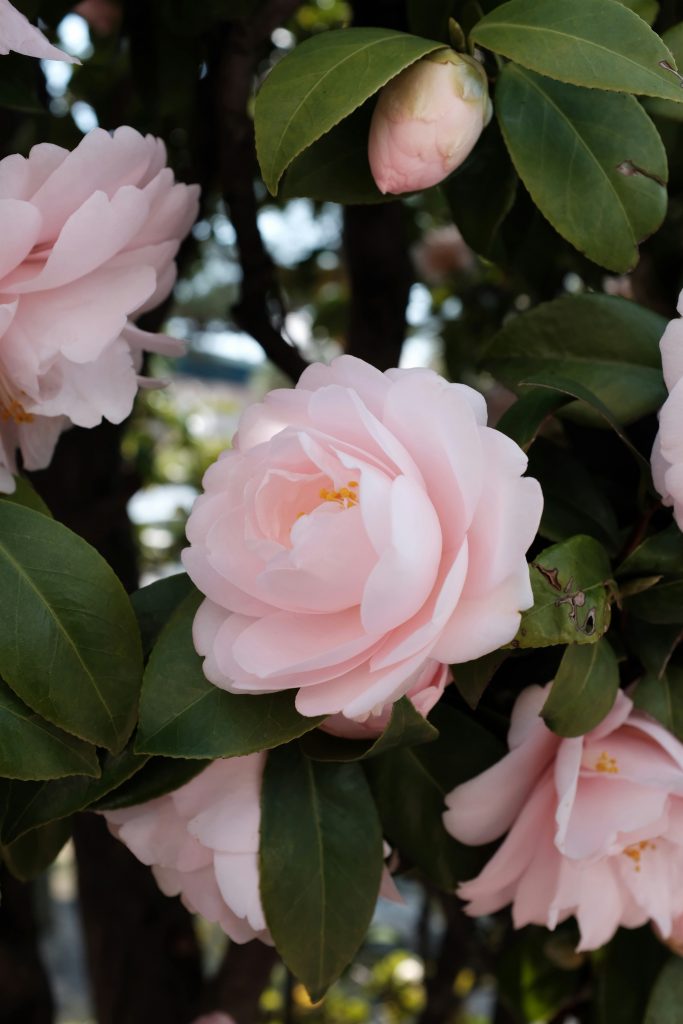
Photo: Unsplash
Where camellias grow best in South Africa
Camellias thrive in areas with cooler, temperate climates. In South Africa, they perform especially well in:
- The Western Cape’s cooler inland areas
- The KwaZulu-Natal Midlands
- Parts of Mpumalanga
- The Eastern Cape
- Gauteng gardens with some afternoon shade
They can struggle in extremely hot, dry regions unless given protection from harsh afternoon sun and plenty of consistent moisture.
How to grow healthy camellias
Although they have a reputation for being fussy, camellias are surprisingly easy to care for once planted in the right position.
Choose the right spot
Camellias prefer:
- Morning sun with afternoon shade
- Shelter from strong winds
- Well-draining, slightly acidic soil
- A cool root zone
Avoid planting them against hot north-facing walls where reflected heat can scorch leaves and flower buds.
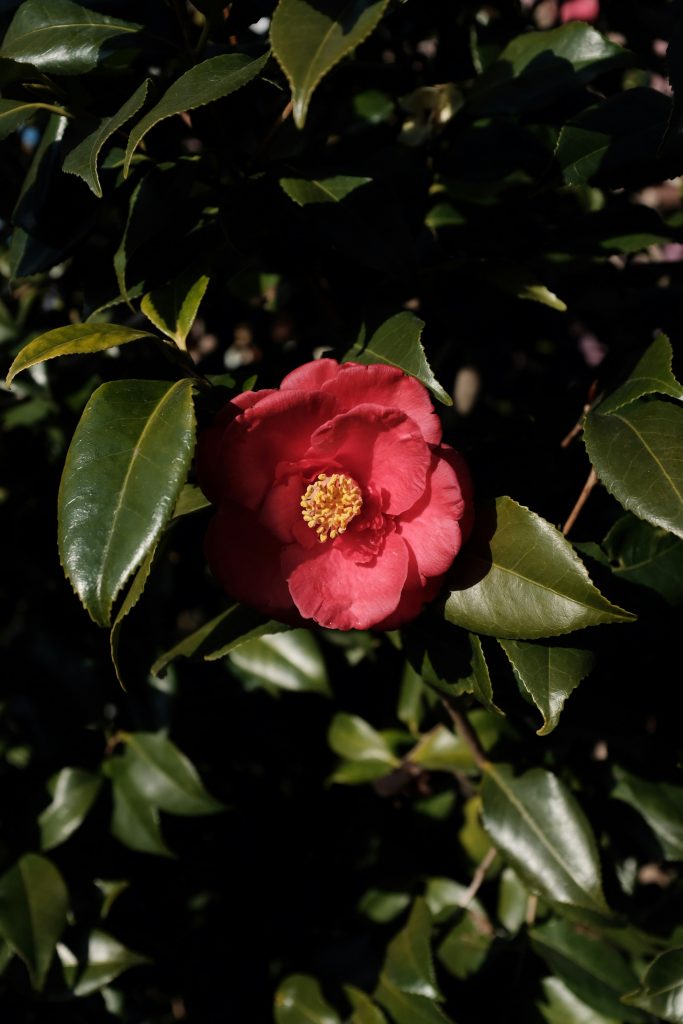
Photo: Unsplash
Water wisely
Young plants appreciate regular watering while they establish. Mature camellias are more drought-tolerant but still perform best with consistent moisture during dry spells.
Mulching around the base helps keep roots cool and reduces moisture loss.
Feed at the right time
Feed camellias after flowering with a fertiliser formulated for acid-loving plants. Avoid overfeeding, as this encourages leafy growth at the expense of flowers.
Camellias make excellent companion plants
Because they enjoy similar growing conditions, camellias pair beautifully with:
- Azaleas
- Hydrangeas
- Ferns
- Clivias
- Hellebores
- Woodland bulbs
Together, they create a layered garden that stays attractive through every season.
ALSO SEE: What’s flowering: Christmas cactus
Feature image: Unsplash
