
 Bianca Muller
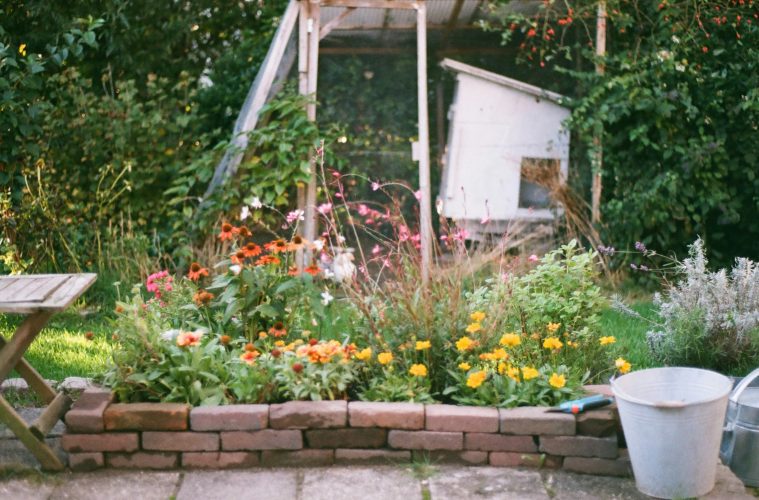
Perfectly measured rows. Colour-coded planting plans. Detailed garden sketches pinned to Pinterest boards. For years, gardening has often been associated with precision and planning. But a growing movement is encouraging people to throw the rulebook out the window. Enter chaos gardening — a gardening trend that embraces unpredictability, encourages biodiversity and turns traditional gardening on its head. Instead of carefully deciding where every flower, herb and vegetable should grow, chaos gardeners scatter seeds and let nature take the lead.
While it may sound like a recipe for disaster, advocates say the approach can create thriving, beautiful spaces that support pollinators, improve biodiversity and make gardening more accessible to beginners.
What is chaos gardening?
Chaos gardening is a low-intervention gardening method that involves sowing a mixture of seeds across a space with minimal planning or organisation.
Rather than planting specific varieties in designated spots, gardeners mix seeds together and scatter them across a garden bed, allowing plants to emerge wherever conditions suit them best.
The concept has exploded on social media platforms such as TikTok and Instagram, where gardeners share videos of colourful, seemingly wild gardens filled with unexpected combinations of flowers, herbs and vegetables.
While the name may sound modern, the philosophy isn’t entirely new. Chaos gardening borrows from naturalistic gardening principles that mimic how plants grow in the wild, where seeds disperse naturally and ecosystems develop without strict human control.
View this post on Instagram
Why is chaos gardening becoming so popular?
Part of the appeal lies in its simplicity.
Traditional gardening can feel intimidating, particularly for beginners who are faced with endless advice about soil types, companion planting, spacing requirements and seasonal schedules.
Chaos gardening offers a more relaxed alternative.
There is no need to create detailed planting plans or stress over achieving a picture-perfect result. Instead, gardeners embrace experimentation and view surprises as part of the process.
The trend also aligns with a broader shift towards sustainability and biodiversity-focused gardening. As awareness grows around declining pollinator populations and habitat loss, many gardeners are looking for ways to create more wildlife-friendly outdoor spaces.
Who is chaos gardening for?
One of the biggest strengths of chaos gardening is that it can work for almost anyone.
Beginner gardeners
For those who are new to gardening, chaos gardening removes much of the pressure. There is less concern about planting mistakes, making it an approachable way to learn through experience.
Busy homeowners
People who love the idea of gardening but don’t have hours to spend maintaining perfectly manicured flowerbeds may appreciate the lower-maintenance nature of a chaos garden.
Wildlife enthusiasts
If attracting bees, butterflies and birds is a priority, a diverse planting mix can help create a more inviting habitat.
Small-space gardeners
Chaos gardening isn’t limited to sprawling properties. It can work in raised beds, containers, balconies and even neglected corners of a garden.
Experienced gardeners
Many seasoned gardeners enjoy chaos gardening as a way to experiment with new plant combinations and add a sense of spontaneity to their outdoor spaces.
Are there benefits to chaos gardening?
Although it may appear random, chaos gardening can offer several advantages.
Increased biodiversity
A mix of flowers, herbs and vegetables creates a richer ecosystem than a single-species planting scheme. Greater plant diversity often attracts a wider range of beneficial insects and pollinators.
Better pollinator support
Flower-rich chaos gardens can provide a continuous source of nectar and pollen for bees, butterflies and other pollinating insects throughout the growing season.
Less pressure to be perfect
Not every gardener wants to maintain immaculate borders and symmetrical flowerbeds. Chaos gardening celebrates imperfection and encourages people to enjoy the process rather than focus solely on the outcome.
Improved soil health
A variety of plant species can support healthier soil by encouraging different root structures, improving soil coverage and reducing erosion.
Potentially lower costs
Using leftover seed packets and seed mixes can be more affordable than purchasing large quantities of carefully selected plants.
Surprising combinations
Some of the most memorable chaos gardens emerge from unexpected pairings. A sunflower growing beside basil, or marigolds weaving between tomato plants, can create a visually striking and productive garden.
Are there any downsides?
Chaos gardening isn’t entirely carefree.
Because seeds are scattered randomly, some plants may struggle to compete for sunlight, water or nutrients. Certain species may dominate while others fail to establish.
Gardeners may also find it difficult to identify seedlings as they emerge, making weeding more challenging.
And while the aesthetic can be beautiful, it is often more wild and informal than traditional garden designs. Those who prefer neat, structured landscapes may find the look a little too untamed.
How to create your own chaos garden
View this post on Instagram
Ready to embrace a little gardening uncertainty?
Step 1: Choose your space
Select a garden bed, border, raised planter or even a large container. Chaos gardens can be as small or as expansive as you like.
Step 2: Prepare the soil
Remove weeds and loosen the soil to give seeds the best chance of germination. Adding compost can help improve soil health and moisture retention.
Step 3: Gather your seeds
This is where the fun begins.
You can use:
- Wildflower seeds
- Indigenous flower varieties
- Herbs
- Leafy greens
- Edible flowers
- Vegetable seeds
- Pollinator-friendly plants
Many gardeners use leftover seed packets collected over several seasons.
Step 4: Mix and scatter
Combine your chosen seeds in a container and gently mix them together. Scatter them across the prepared area, aiming for relatively even coverage.
Some gardeners mix seeds with sand first to help distribute them more evenly.
Step 5: Lightly cover and water
Rake the soil gently or sprinkle a thin layer of compost over the seeds. Water carefully and keep the area moist while seeds germinate.
Step 6: Let nature take the lead
Perhaps the hardest step of all.
Resist the urge to constantly rearrange or intervene. Part of the charm of chaos gardening is watching the garden evolve organically.
The best plants for a South African chaos garden
If you’re trying chaos gardening locally, consider including a mix of flowering and edible plants that perform well in South African conditions.
Some popular options include:
- Cosmos
- Marigolds
- Nasturtiums
- Sunflowers
- Zinnias
- Calendula
- Sweet alyssum
- Basil
- Coriander
- Rocket
- Spinach
- Indigenous wildflowers
- Bokbaai vygies
- Namaqualand daisies
- African daisies
Choosing drought-tolerant and indigenous varieties can help create a more resilient and water-wise garden.
ALSO SEE: The best and worst trees for windy South African gardens
Feature imagfe: Tim Kelly/Unsplash
