
 Chumasande Matiwane
The Western Cape’s rainy season, which typically runs from May to September, presents both opportunities and challenges for gardeners. Unlike many other parts of South Africa that receive summer rainfall, the Western Cape experiences most of its precipitation during the cooler winter months. With the right approach, gardeners can use this season to establish healthy plants, improve soil quality, and prepare for a vibrant spring garden.
Understanding the Rainy Season
Winter rainfall provides much-needed moisture for gardens, reducing the need for frequent irrigation. However, excessive rain, waterlogged soil, and cooler temperatures can affect plant growth if not managed properly. Successful rainy-season gardening requires attention to drainage, plant selection, and soil health.
Preparing the Garden
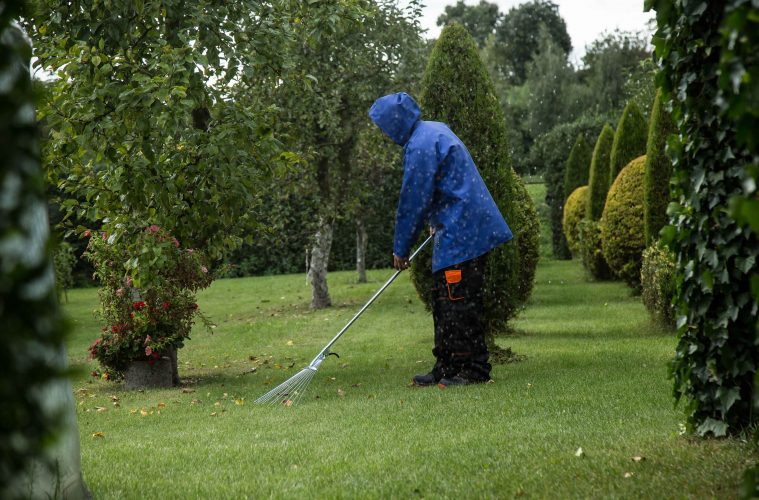
Before the heaviest rains arrive, it is important to prepare garden beds. Remove weeds, fallen leaves, and diseased plant material that may harbour pests and fungi. Incorporating compost into the soil improves its structure, helping it retain nutrients while enhancing drainage.
Raised beds are particularly beneficial in areas prone to waterlogging. They allow excess water to drain away from plant roots, reducing the risk of root rot and other moisture-related diseases.
Choosing the Right Plants
The Western Cape’s Mediterranean climate supports a wide range of winter-growing plants. Some excellent choices include:
- Leafy greens such as spinach, lettuce, kale, and Swiss chard
- Root vegetables, including carrots, beetroot, and radishes
- Brassicas such as broccoli, cauliflower, and cabbage
- Indigenous plants adapted to winter rainfall conditions
- Winter-flowering annuals like pansies, violas, and snapdragons
Many indigenous fynbos species thrive during the rainy season and require minimal supplemental watering once established.
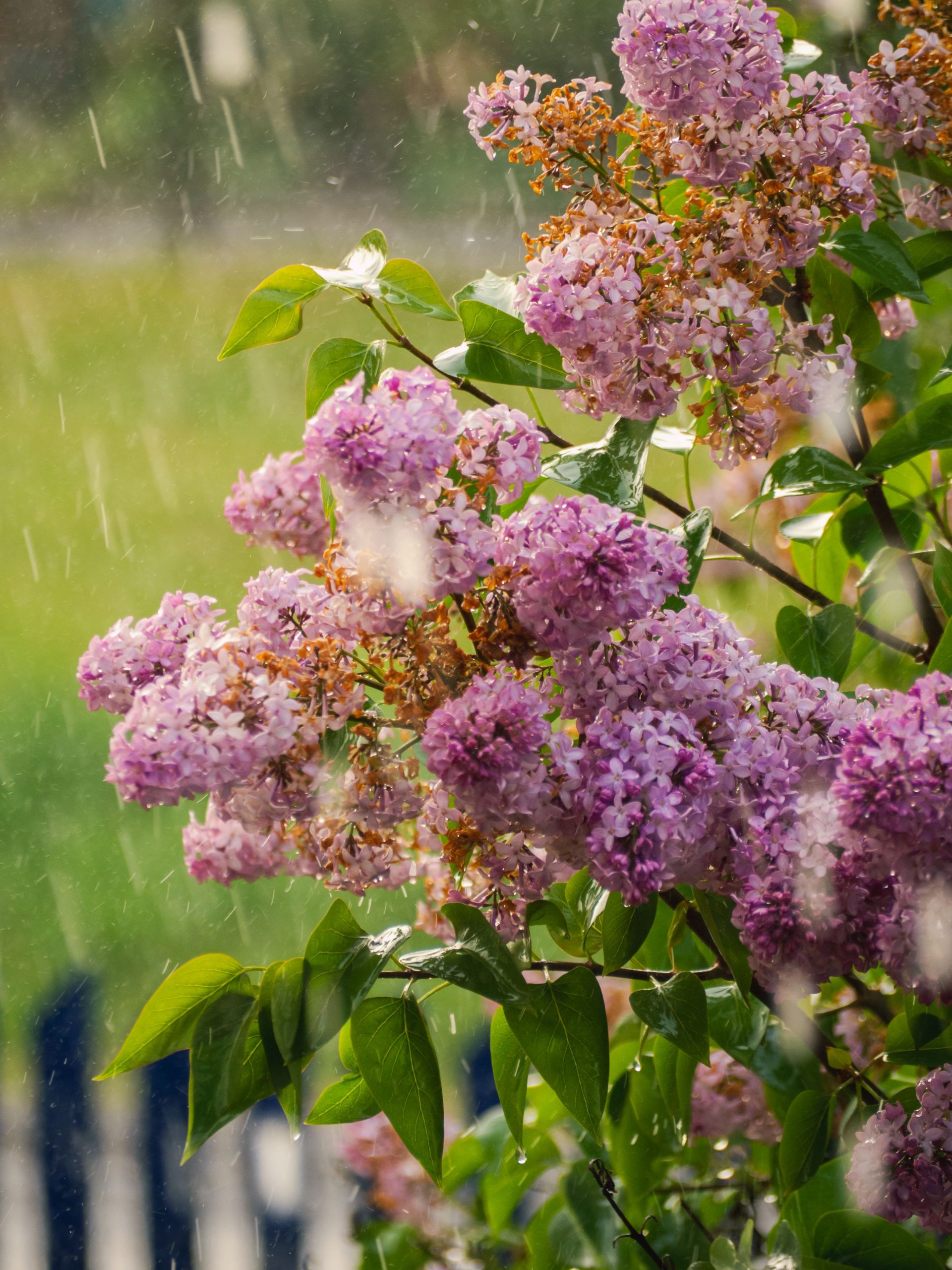
Image Credit: Pexels
Managing Drainage
One of the most important aspects of rainy-season gardening is preventing waterlogged soil. Ensure that drainage channels remain clear and that containers have adequate drainage holes. Mulching around plants can help reduce soil erosion while maintaining a more stable soil temperature.
Avoid walking on saturated garden beds, as compacted soil restricts root growth and worsens drainage problems.
Preventing Plant Diseases
Cool, damp conditions can encourage fungal diseases such as mildew, rust, and root rot. To minimise these risks:
- Space plants adequately to improve air circulation.
- Water early in the day when additional watering is necessary.
- Remove affected leaves promptly.
- Avoid overhead watering whenever possible.
- Keep garden tools clean to prevent the spread of disease.
Regular inspection allows gardeners to identify and address problems before they become severe.
Supporting Wildlife
The rainy season provides an excellent opportunity to create habitats for beneficial wildlife. Indigenous flowering plants attract pollinators, while bird-friendly shrubs offer shelter and food. Healthy biodiversity helps maintain natural pest control and contributes to a balanced garden ecosystem.
Lawn Care During Winter
Lawns generally grow more slowly during the cooler months. Reduce mowing frequency and avoid cutting grass too short. Excessive foot traffic on wet lawns can cause compaction and damage. If drainage issues occur, aerating the lawn once conditions improve can help restore healthy growth.
Gardening in the Western Cape’s rainy season offers unique advantages for those willing to work with nature’s rhythms.
By improving soil health, selecting suitable plants, managing drainage, and monitoring for disease, gardeners can turn the winter months into one of the most productive periods of the gardening year. With careful planning and maintenance, a thriving garden can flourish throughout the rainy season and beyond.
ALSO SEE:
How often should you repot houseplants? Here are signs it’s time for a bigger pot
Feature Image: Pexels
