
 Chumasande Matiwane
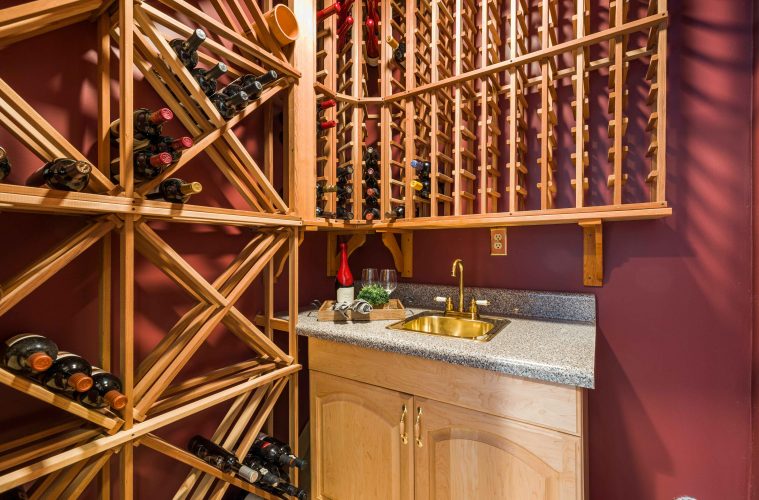
A dedicated wine space can bring sophistication, functionality, and personality to your home. Whether you are an avid collector, a casual entertainer, or someone who simply appreciates good design, creating a wine-focused area allows you to showcase your collection while enhancing your living environment.
From compact wine nooks to luxurious wine cellars, effective wine space design blends aesthetics with practical storage solutions.
Understanding the purpose of the space
Before selecting materials, shelving, or décor, it is important to define how the space will be used. Some homeowners require long-term storage for ageing wines, while others need an attractive display area for bottles they enjoy regularly. The intended purpose will influence factors such as temperature control, storage capacity, and accessibility.
A wine space can range from a small built-in cabinet in a dining room to a fully climate-controlled cellar. Understanding your goals from the outset helps guide design decisions and budget allocation.
Location and environmental conditions
The location of a wine space is one of the most important considerations. Wine is sensitive to heat, light, and fluctuations in humidity. Ideally, the area should remain cool, dark, and stable throughout the year.
Basements are often preferred because they naturally maintain lower temperatures. However, modern wine rooms can also be integrated into living areas, kitchens, under-stair spaces, or unused closets with the addition of proper cooling systems and insulation.
Avoid placing wine storage near direct sunlight, heating vents, ovens, or appliances that generate excessive heat.
Storage solutions and wine racking
Wine racks are both functional and decorative. The choice of storage system should reflect the size of the collection and the overall design aesthetic.
Popular options include:
- Wooden wine racks for a traditional and warm appearance.
- Metal racking systems for a sleek, contemporary look.
- Floating bottle displays that create visual impact.
- Custom cabinetry that integrates seamlessly with existing interiors.
Horizontal storage is generally recommended, as it helps keep corks moist and prevents oxidation.
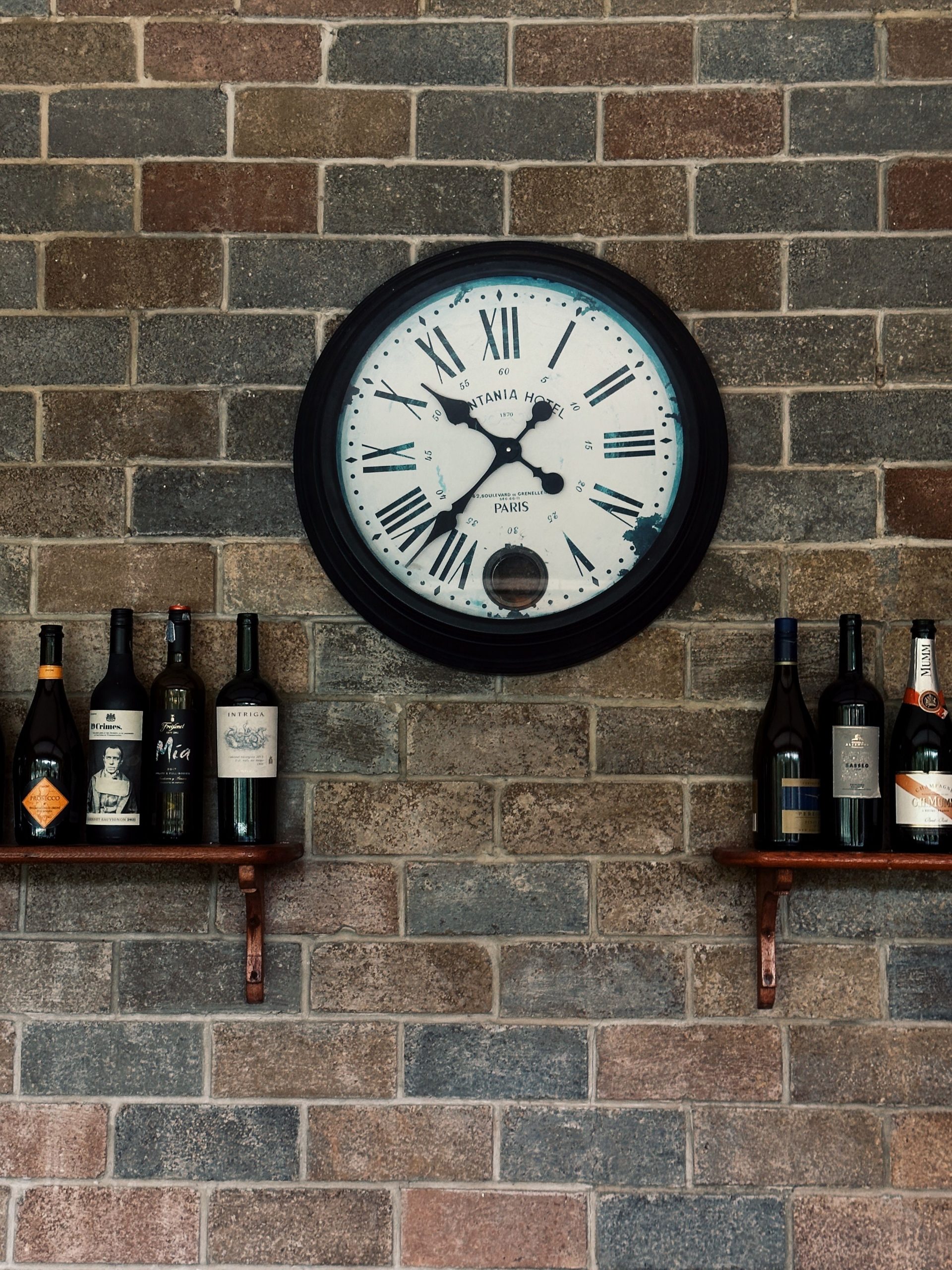
Image Credit: Pexels
Temperature and humidity control
For serious collectors, climate control is essential. Most wines are best stored at room temperature or chilled, depending on the wine itself.
A professionally designed wine room may include:
- Dedicated wine cooling systems.
- Insulated walls and doors.
- Vapour barriers.
- Humidity management systems.
These elements help preserve wine quality and protect valuable collections from premature ageing.
Lighting design
Lighting plays a significant role in creating ambience while showcasing the collection. Soft, warm lighting is typically preferred because it highlights the beauty of the bottles without generating excessive heat.
LED fixtures are an excellent choice because they are energy-efficient and produce minimal heat. Accent lighting can be used to illuminate display racks, feature walls, and tasting areas, creating a luxurious atmosphere.
Materials and finishes
The materials selected for a wine space contribute significantly to its character and durability. Natural materials often work particularly well because they evoke the heritage and craftsmanship associated with winemaking.
Popular choices include:
- Natural stone.
- Reclaimed wood.
- Brick feature walls.
- Glass enclosures.
- Metal accents.
Combining textures can create visual depth while maintaining an elegant and timeless aesthetic.
Incorporating a tasting area
If space permits, adding a small tasting area can transform wine storage into a social destination. Comfortable seating, a tasting table, and carefully selected décor encourage relaxation and conversation.
A tasting area may also include:
- Glassware storage.
- Counter space for serving.
- Display shelves for special vintages.
- Artwork inspired by wine regions and vineyards.
This feature makes the wine space more versatile and enhances the overall experience.
Display and personalisation
A wine space should reflect the homeowner’s personality and interests. Incorporating unique design elements can elevate the room beyond simple storage.
Consider displaying:
- Rare or collectable bottles.
- Wine-related artwork.
- Travel souvenirs from vineyard visits.
- Custom signage.
- Heritage pieces or family memorabilia.
Personal touches help create a memorable and inviting environment.
Balancing style and function
The most successful wine spaces achieve a balance between beauty and practicality. While visual appeal is important, storage efficiency, environmental control, and accessibility should remain priorities.
Thoughtful planning ensures that the space not only protects and showcases your wine collection but also complements the overall design of the home.
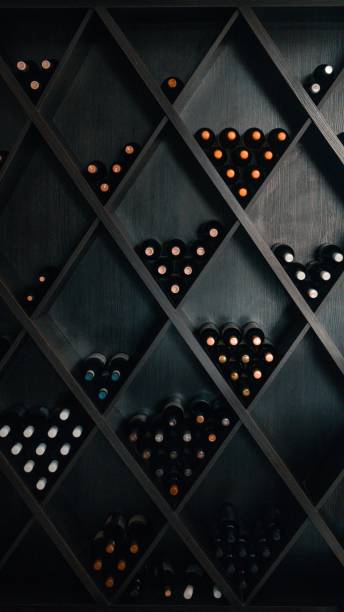
Image Credit: Pexels
ALSO SEE:
Feature Image: Pexels
