
 Bianca Muller
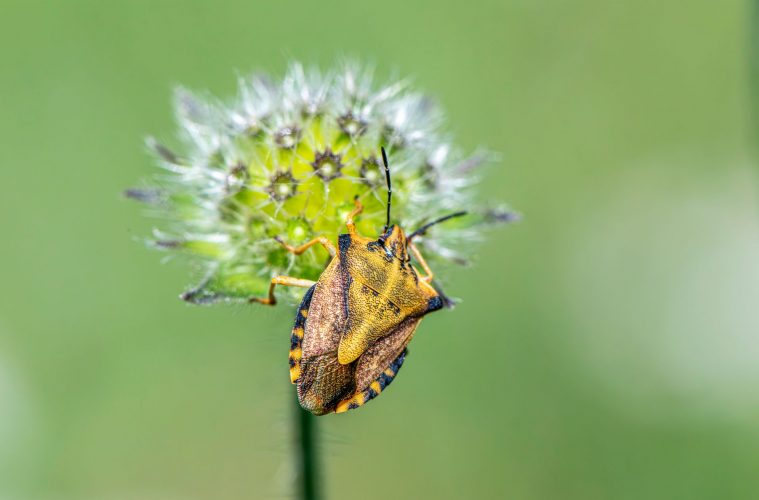
Spot a shield-shaped bug in your garden and your first thought might be that it’s bad news. After all, many gardeners associate shield bugs (often called stink bugs) with damaged tomatoes, blemished fruit and struggling vegetables. But here’s the good news: not all shield bugs are plant pests.
In fact, some species are voracious predators that help keep common garden pests under control. These beneficial insects, known as predatory shield bugs, act as nature’s own pest management team, hunting everything from caterpillars to beetle larvae.
For South African gardeners looking to garden more sustainably, they’re insects worth getting to know.
What are predatory shield bugs?
Predatory shield bugs belong to the same family as the plant-feeding shield bugs that many gardeners dislike. Like their relatives, they have the distinctive shield-shaped body and may release an unpleasant smell when disturbed.
The difference lies in their diet. Instead of feeding on plants, predatory shield bugs hunt and consume other insects. They use their sharp, needle-like mouthparts to pierce prey and feed on the contents, helping to naturally reduce pest populations in the garden.
Several predatory species occur in South Africa and can often be found in vegetable gardens, orchards and indigenous landscapes where insect prey is plentiful.
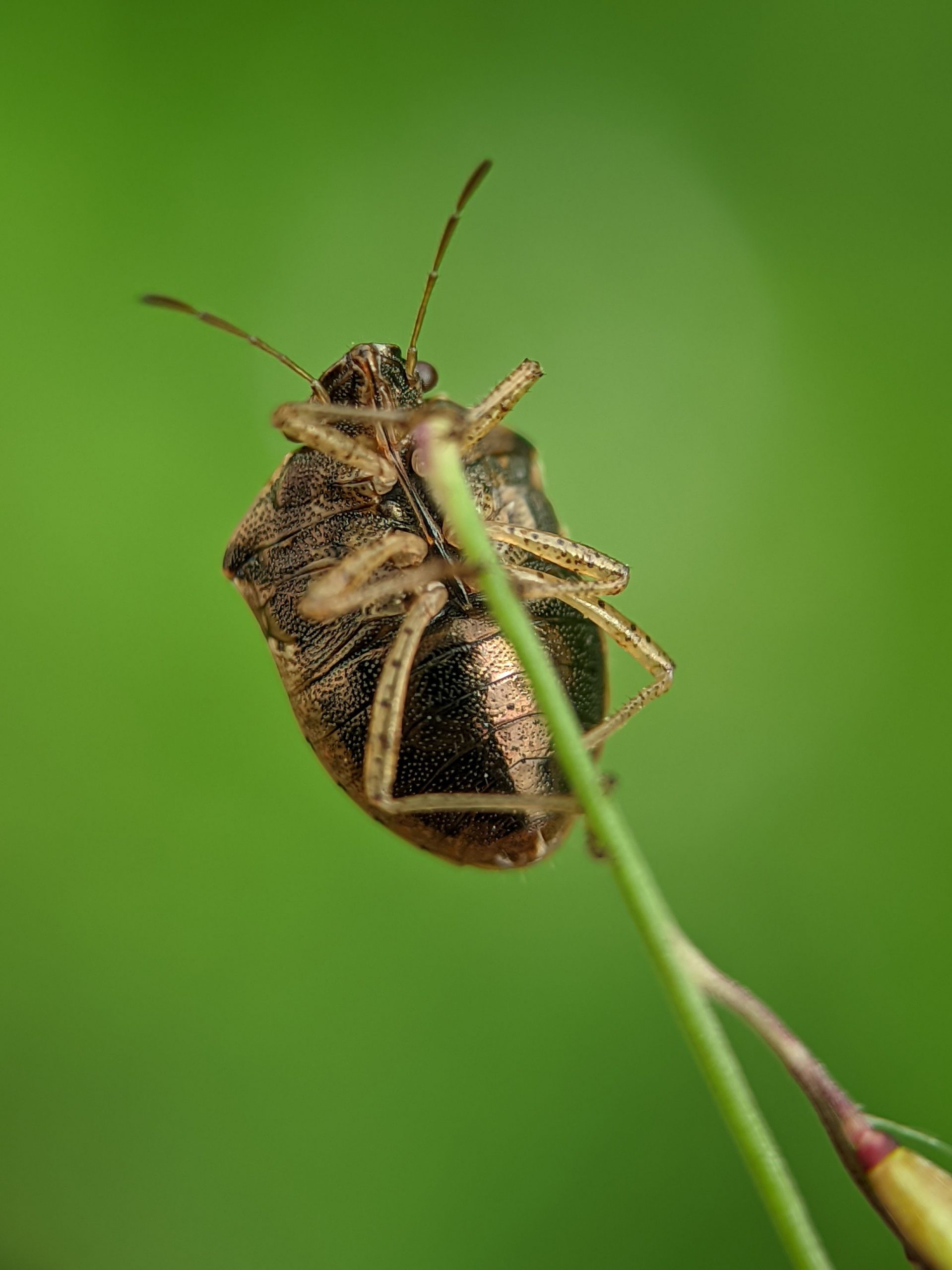
Photo: Pexels
What do they eat?
Predatory shield bugs aren’t picky eaters, which is great news for gardeners.
Their menu often includes:
- Caterpillars
- Cutworms
- Armyworms
- Beetle larvae
- Leaf-eating grubs
- Moth larvae
- Some aphids
- Other soft-bodied insects
Both adults and young nymphs are active hunters, making them effective biological control agents throughout much of their life cycle.
A single predatory shield bug can consume numerous pests over its lifetime, helping to keep damaging populations in check before they become a problem.
Why they’re beneficial for your garden
If you’ve ever battled caterpillars stripping your leafy greens or grubs damaging young plants, predatory shield bugs can provide valuable assistance.
These beneficial insects help:
- Reduce pest numbers naturally
- Protect vegetables and ornamentals
- Minimise the need for chemical pesticides
- Support biodiversity
- Create a healthier garden ecosystem
Unlike pesticides, which often kill beneficial insects alongside harmful ones, predatory shield bugs target the pests causing damage.
How can you tell them apart from pest shield bugs?
This is where things get tricky. Many predatory and plant-feeding shield bugs look remarkably similar at first glance. Both have shield-shaped bodies and can vary in colour from green and brown to more striking patterns.
However, predatory species often have:
- A sturdier, thicker beak designed for hunting prey
- More robust bodies
- Behaviour that involves actively searching for insects rather than feeding on plants
If you see a shield bug perched on a caterpillar or carrying prey, you’ve likely found one of the good guys.
When in doubt, avoid removing shield bugs immediately. Taking time to identify them can prevent you from accidentally eliminating a beneficial predator.
ALSO SEE: Why mealybugs thrive indoors in winter
Feature image: Pexels
