
 Bianca Muller
We’ve all heard the advice: switch off the lights, unplug the kettle, and don’t leave chargers in the wall. But when it comes to reducing your electricity bill, does plugging out appliances actually make a noticeable difference?
The short answer is yes, but not always in the way you might think.
Some household appliances continue using small amounts of electricity even when they’re switched off. This is known as standby power, or sometimes “phantom load” or “vampire power”. While each appliance only uses a tiny amount, those watts can quietly add up over months and years.
What is standby power?
Standby power is the electricity an appliance uses while waiting to be switched on or performing background functions. If you’ve noticed a little red light glowing on your television or a digital clock on your microwave, that’s standby power at work. Many modern electronics stay partially active so they can respond instantly to a remote control, remember settings or keep their internal clocks running.
Which appliances use standby power?
Some of the biggest contributors include:
- Televisions
- Decoders and streaming devices
- Gaming consoles
- Desktop computers and monitors
- Printers
- Microwaves with digital displays
- Sound systems
- Coffee machines with clocks or timers
- Chargers left plugged into the wall (especially with a device attached)
Individually, these appliances don’t consume much electricity while idle, but together they can make a difference.
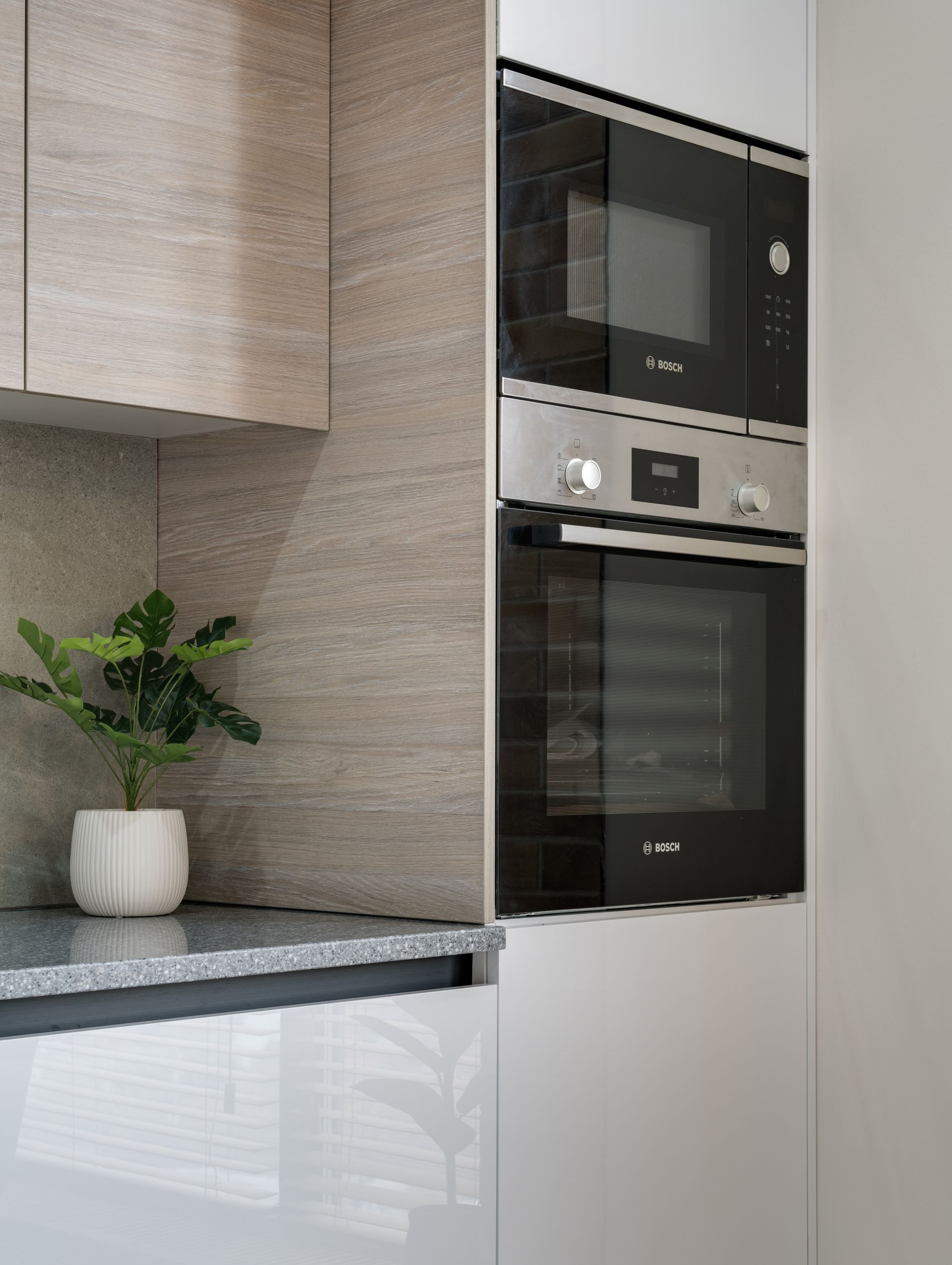
Photo: Pexels
Which appliances should you not unplug regularly?
Not everything needs to be unplugged after every use.
The following appliances are generally best left plugged in:
- Fridges and freezers
- Wi-Fi routers (unless you’re away for an extended period)
- Security systems
- Smart home hubs
- Medical equipment
- Appliances with automatic maintenance cycles, such as some coffee machines
Constantly unplugging these can interfere with their operation or, in some cases, shorten their lifespan.
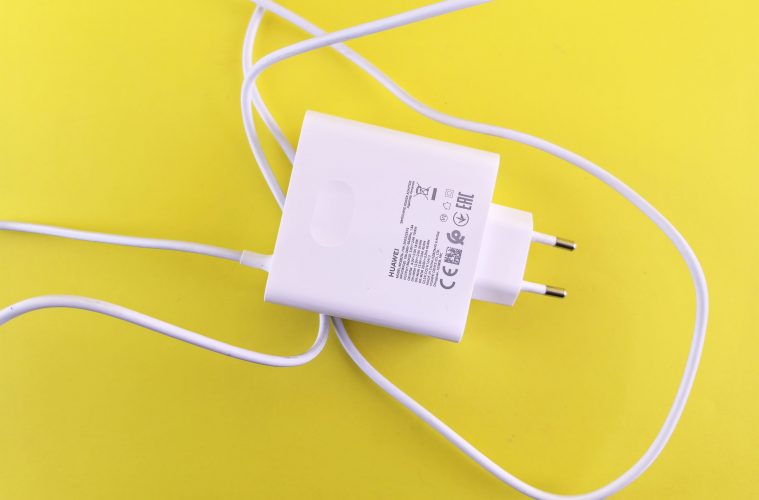
Do phone chargers use electricity when left plugged in?
This is one of the most common questions, and the answer is reassuring. Modern phone chargers use an extremely small amount of electricity when left plugged into the wall without a device attached. While unplugging them is still good practice for safety and energy efficiency, they aren’t usually the biggest culprit on your electricity bill.
However, chargers connected to devices that have already reached 100% may continue drawing small amounts of power depending on the charger and device.
Which appliances use the most electricity?
If your goal is to lower your electricity bill, unplugging standby devices should be part of a bigger strategy.
These appliances generally consume far more electricity during normal use:
- Electric geysers
- Tumble dryers
- Air conditioners
- Electric heaters
- Ovens
- Stoves
- Dishwashers
- Washing machines using hot water
- Pool pumps
Reducing the running time of these appliances typically has a much greater impact than simply unplugging electronics on standby.
Easy ways to reduce standby power
You don’t need to spend your evenings walking around unplugging every appliance individually.
Instead, try these simple habits:
- Use multi-plug power strips with an on/off switch for your TV and entertainment system.
- Turn off desktop computers and monitors completely when you’re finished using them.
- Unplug small kitchen appliances that aren’t used daily.
- Switch off gaming consoles instead of leaving them in rest mode if you won’t be using them for a while.
- Unplug chargers once your devices are fully charged if practical.
ALSO SEE: Should you switch your geyser off when you are not using it?
Should you switch your geyser off when you are not using it?
Feature image: Pexels
