
 Chumasande Matiwane
A home that seamlessly connects indoor and outdoor spaces feels larger, brighter, and more inviting. Creating a smooth indoor-outdoor flow allows you to enjoy fresh air, natural light, and beautiful garden views while making your living areas more functional for everyday life and entertaining.
Whether you have a spacious backyard or a small balcony, a few thoughtful design choices can transform your home into a harmonious living space.
Clever ways to link your indoor and outdoor rooms
Swap walls for glass
Getting rid of walls that divide different rooms is the first step to adopting this living trend. Glazed glass doors are a good compromise should you want to differentiate one room from another. They’re also great for encouraging natural light and shielding your interior from some of the country’s notorious weather.
Glass also allows for views of the garden, and is perfect for enjoying the outdoors even when things are closed. If replacing windows isn’t an option, keep window treatments light and minimal to let in as much daylight as possible.
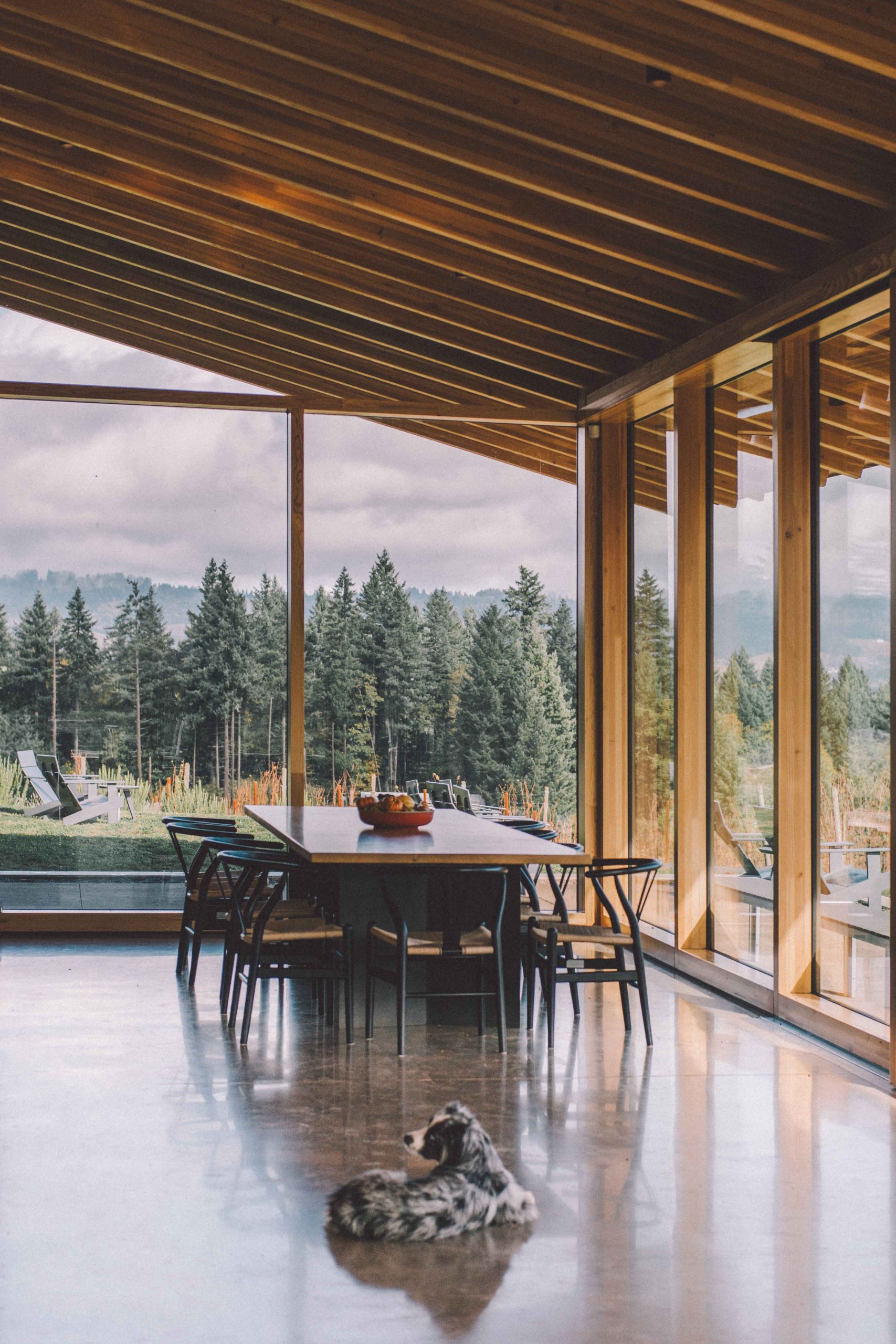
Image Credit: Pexels
Choose a consistent colour palette
A unified colour scheme ties indoor and outdoor spaces together. Neutral shades such as white, beige, grey, and earthy tones create a calm backdrop, while accents of green and natural textures reflect the surrounding landscape. Repeating colours in furniture, cushions, rugs, and outdoor décor strengthens the connection.
Also see: How to Prevent Dampness in Your Home During Winter
Use your lighting right
The right lighting can complement your overall indoor and outdoor look, while still drawing attention to all the right places.
Your outdoor lighting needs to be warm and inviting, bright enough to remain consistent with your interior. This will open up the space and will ensure that you aren’t walking from a light and bright interior into a dark and gloomy garden.
Use lanterns, solar and fairy lights wrapped between tree branches to try and get the right outdoor light.
Bring nature indoors
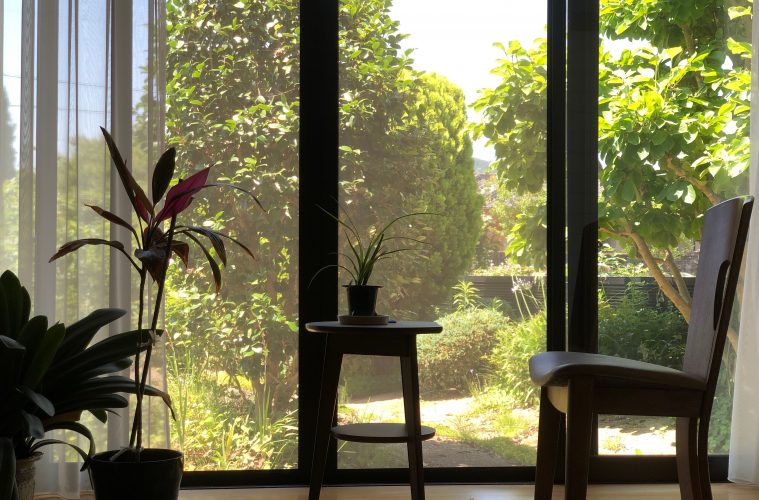
Houseplants help bridge the gap between your interior and the garden. Position plants near windows, entryways, and living areas to soften the transition between spaces. Larger plants such as palms or fiddle-leaf figs can create a lush, garden-inspired atmosphere inside your home.
By blending the beauty of nature with your interior design, you can create a brighter, more relaxing, and more enjoyable home for every season.
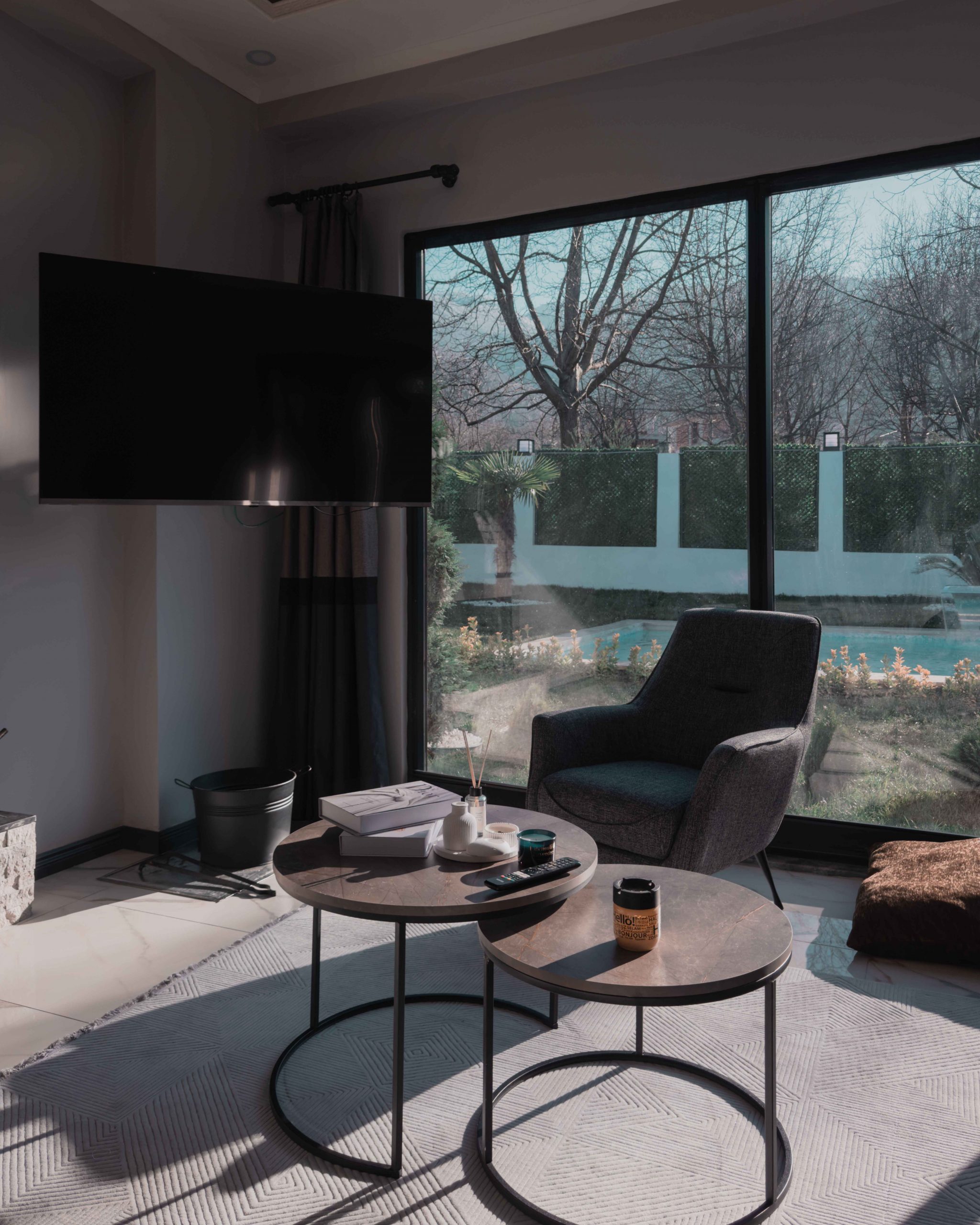
Image Credit: Pexels
ALSO SEE:
Feature Image: Pexels
